Product Description
Product Description
Company Profile
Welcome to Patio furniture, my dear customers.
We are 1 of the professional outdoor furniture manufacturers in China who located in Xihu (West Lake) Dis. District ,HangZhou City, ZheJiang , China-the City of Furniture.Our main products: Garden furniture, Patio furniture, Outdoor furniture, wicker furniture, PE rattan furniture, wood Furniture, Rope woven furniture, and chairs, leather sofa, fabric sofa.HangZhou PATIO(SENJUAN) FURNITURE have founded since 2571. More than 11years in furniture exporting experirences. We are professional in furniture design and producing, we will become your reliable business partner in China.
More than 80% of our products are delivery to Europe and North America. We keep growing up in the market under the good quality control, nice product design and reasonable price. We trust we could be 100-years outdoor furniture company in the future.We also have strong material supply chain:Sunbrella(USA),Agora(Spain),Serge Ferreri(French),Sunsure(USA),Sunproof(Indonesia), Rehau(Indonesia),Viro(Indonesia) and so on. All these will make our products better and better for the customers.
We will win your trust and satisfaction with our nice products and good service.
FAQ
1.MOQ : 5sets / items or mixed container acceptable ( max can mix 5 items for 40HQ )
2.Our delivery time : 30-45 days after deposit .
3.EXW FOB ,CIF, DDU ,DDP terms are all acceptable .
4.Our rattan has SGS certification , Our fabric has SCT certification and our products have SCT and CE certification .
5.Payment terms : TT /LC/Money gram /West Union
| Material: | Rattan / Wicker |
|---|---|
| Style: | European |
| Folded: | Unfolded |
| Usage: | Bar, Hotel, Dining Room, Outdoor |
| Condition: | New |
| Customized: | Customized |
| Customization: |
Available
|
|
|---|
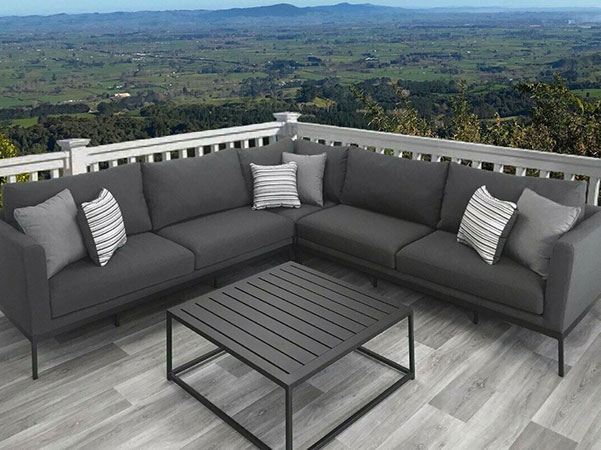
Can I leave my garden furniture outside year-round, or should I store it?
Whether you can leave your garden furniture outside year-round or need to store it depends on several factors, including the type of furniture, the materials it’s made of, and the climate in your area. Here are some considerations to help you decide:
1. Furniture Material:
Different furniture materials have varying levels of durability and resistance to weather conditions. Some materials, like aluminum or teak, are more resistant to moisture, UV rays, and temperature fluctuations, making them suitable for year-round outdoor use. Other materials, such as certain types of wood or wicker, may require more protection and maintenance and might be better stored during harsh weather.
2. Climate:
The climate in your area plays a significant role in determining whether you can leave your garden furniture outside year-round. If you live in a region with mild and temperate weather throughout the year, it may be possible to keep your furniture outdoors. However, if you experience extreme temperatures, heavy rain, snow, or high humidity, it’s generally advisable to store your furniture during the harshest seasons to protect it from potential damage.
3. Maintenance and Protection:
Proper maintenance and protection can significantly extend the lifespan of your outdoor furniture. Even if your furniture is designed for outdoor use, regular cleaning and applying protective treatments, such as sealants or weather-resistant coatings, can help maintain its appearance and durability. However, if you’re unable to provide regular maintenance or protection, storing your furniture during unfavorable weather conditions can help preserve its condition.
4. Available Storage Space:
Consider the availability of storage space when deciding whether to store your garden furniture. If you have ample storage space, storing your furniture during the off-seasons can offer maximum protection and prolong its lifespan. However, if storage space is limited or not available, you may need to explore other options, such as using furniture covers or finding creative ways to protect your furniture from the elements.
5. Personal Preference:
Ultimately, your personal preference and priorities should also be considered. If you value having your garden furniture readily available for use throughout the year and are willing to invest in the necessary maintenance and protection, you may choose to leave it outside. On the other hand, if you prefer the peace of mind and convenience of storing your furniture during unfavorable weather, that may be the best option for you.
It’s important to note that even if your furniture is designed for outdoor use and you decide to leave it outside year-round, it’s still advisable to take precautions, such as using furniture covers, securing the furniture during storms, or moving it to a sheltered area when extreme weather is expected.
Ultimately, the decision to leave your garden furniture outside year-round or store it depends on the specific circumstances and considerations mentioned above. Assess the factors relevant to your situation and choose the option that best suits your furniture, climate, and personal preferences.
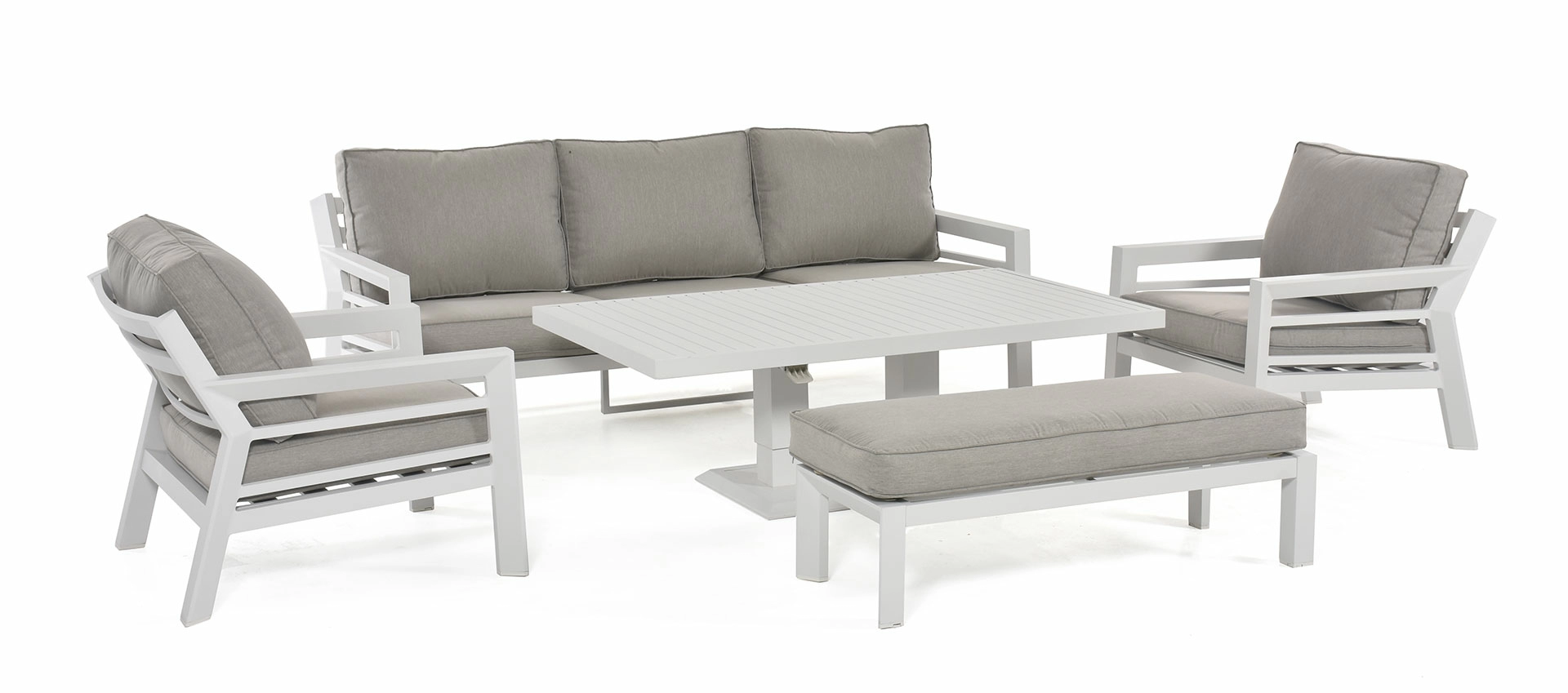
How do I prevent garden furniture from sinking into soft ground or soil?
If you have garden furniture that tends to sink into soft ground or soil, there are several methods you can use to prevent this from happening. Here are some effective ways to keep your garden furniture stable on soft ground:
1. Use Furniture Foot Pads:
One simple solution is to attach foot pads or glides to the bottom of the furniture legs. These pads distribute the weight over a larger surface area, reducing the likelihood of sinking. There are various types of foot pads available, including rubber, plastic, or metal options. Make sure to choose foot pads that are suitable for outdoor use and can withstand moisture and uneven terrain.
2. Install Furniture Leg Bases:
Another option is to install leg bases or platforms underneath the furniture legs. These bases provide a wider surface area for the legs to rest on, reducing the risk of sinking. Leg bases can be made from materials such as plastic, wood, or metal. Ensure that the bases are securely attached to the furniture legs to provide stability.
3. Use Furniture Anchors:
Furniture anchors are devices designed to secure outdoor furniture to the ground. They are particularly useful for larger or heavier furniture pieces. Anchors typically consist of stakes or screws that are driven into the ground and attached to the furniture frame or legs using straps or cables. These anchors help prevent furniture from tipping over or sinking into soft ground.
4. Place a Solid Base:
If you have a specific area in your garden where you frequently place your furniture, consider creating a solid base for it. This can be done by installing a patio or deck made from materials like concrete, stone, or wood. A solid base provides a stable and level surface for your furniture, preventing sinking or tilting. Additionally, it offers a defined seating area and enhances the overall aesthetics of your outdoor space.
5. Use Furniture Pavers or Tiles:
Another option is to place furniture pavers or tiles underneath the furniture legs. These flat and stable surfaces help distribute the weight and prevent sinking. Pavers or tiles made from materials like concrete, stone, or rubber can be placed directly on the ground or on a layer of gravel or sand for added stability.
6. Regularly Inspect and Adjust:
It’s important to regularly inspect your garden furniture and adjust its position as needed. Over time, the ground may shift or become softer due to weather conditions. By monitoring the stability of your furniture and making necessary adjustments, you can prevent sinking and ensure its longevity.
Implementing these preventive measures will help keep your garden furniture stable and secure, even on soft ground or soil. Choose the method that best suits your furniture and the specific conditions of your outdoor space.
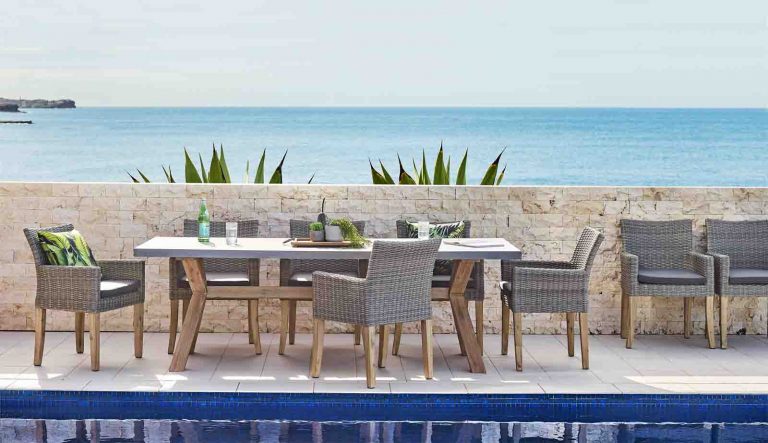
What are the latest trends in garden furniture designs and styles?
Garden furniture designs and styles evolve over time, influenced by changing tastes, technological advancements, and emerging trends. Here are some of the latest trends in garden furniture designs:
1. Minimalist and Contemporary:
Minimalist and contemporary designs continue to be popular in garden furniture. Clean lines, sleek profiles, and minimalist aesthetics create a modern and sophisticated look. Neutral colors and simple silhouettes are often seen in these designs.
2. Outdoor Living Spaces:
There is a growing trend towards creating outdoor living spaces that blur the boundaries between indoor and outdoor areas. Furniture designs that mimic indoor comfort and style, such as plush seating with cushions and outdoor rugs, are increasingly popular. This trend emphasizes creating cozy and inviting outdoor environments.
3. Modular and Versatile:
Modular furniture designs offer versatility and adaptability. These designs include sectional seating arrangements that can be rearranged to suit different occasions or to fit various outdoor spaces. The ability to customize and reconfigure the furniture provides flexibility and convenience.
4. Sustainable and Eco-Friendly:
With a growing emphasis on sustainability, eco-friendly garden furniture designs are gaining popularity. Materials like reclaimed wood, recycled plastic, and responsibly sourced teak are being used to create environmentally conscious furniture. Additionally, designs that promote water conservation and energy efficiency are also becoming more prevalent.
5. Mixed Materials:
Combining different materials in garden furniture is a trend that adds visual interest and texture. For example, incorporating wood with metal or wicker with aluminum creates a contemporary and eclectic look. Mixing materials allows for unique and personalized designs.
6. Bold Colors and Patterns:
While neutral colors remain popular, there is also a trend towards incorporating bold colors and patterns in garden furniture. Vibrant hues like deep blues, rich greens, and warm oranges are being used to make a statement. Patterns such as stripes, geometric designs, and floral prints add visual excitement to outdoor spaces.
7. Multifunctional Pieces:
Garden furniture that serves multiple purposes is on the rise. Examples include benches with built-in storage, coffee tables that convert into dining tables, or loungers with adjustable features. This trend maximizes functionality and optimizes space utilization in outdoor areas.
These are just a few of the latest trends in garden furniture designs and styles. Ultimately, it’s important to choose a style that resonates with your personal preferences and complements the overall aesthetic of your outdoor space.
editor by CX 2023-12-12
China Standard Furniture Cover Outdoor Patio and Garden with Durable 600d Water Resistant Fabric Bl17909 vacuum pump for ac
Product Description
Product Description
- Complete set of outdoor patio covers, includes 2 chair covers, 1 sofa cover and 1 coffee table cover, 4 piece set in total
- Approximate Measurements: Chair Cover: 32.3 ” L x 30.3 ” D x 31.5 ” H, Sofa / Two-Seater Cover: 52 ” L x 30.3 ” D x 31.5 ” H, and Coffee Table Cover: 36.2 inches long x 21.2 inches deep x 13.4 inches high. Take your measurements before you stop. Take your measurements before you buy
- Durable 100% 600D Oxford polyester fabric with waterproof coating to prevent rain from seeping through
- Adjustable drawcord around the bottom for a comfortable fit against the wind
- These covers are lightweight and easy to install and remove
- Garden Outdoor Furniture Set will protect your patio furniture from the weather and harmful UV rays, helping to keep your patio furniture clean and ready to go between uses and between seasons. If you bought outdoor furniture Garden , this set of covers matches perfectly with the furniture.
Detailed Photos
Product Parameters
| Product dimensions | 12.3 x 11.3 x 5.2 inches |
|---|---|
| Product weight | 8.09 pounds |
Certifications
Company Profile
Our Advantages
After Sales Service
FAQ
| Style: | Plain |
|---|---|
| Pattern: | Plain Dyed |
| Usage: | Beach Chair, Hotel Chair, Banquet Chair, Garden Chair |
| Samples: |
US$ 346.80/Piece
1 Piece(Min.Order) | Order Sample random
|
|---|
| Customization: |
Available
|
|
|---|
.shipping-cost-tm .tm-status-off{background: none;padding:0;color: #1470cc}
|
Shipping Cost:
Estimated freight per unit. |
about shipping cost and estimated delivery time. |
|---|
| Payment Method: |
|
|---|---|
|
Initial Payment Full Payment |
| Currency: | US$ |
|---|
| Return&refunds: | You can apply for a refund up to 30 days after receipt of the products. |
|---|
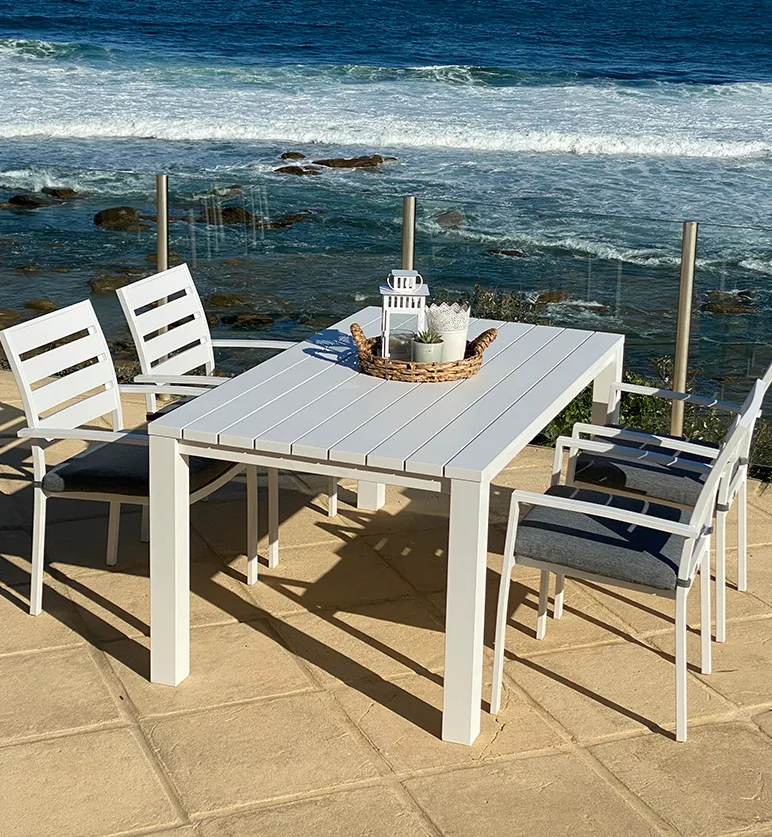
How do I secure my garden furniture to prevent it from tipping over during windy weather?
Securing your garden furniture is important to prevent it from tipping over during windy weather. Here are some methods you can use to secure your furniture:
1. Weighted Bases or Sandbags:
For lightweight furniture such as chairs or small tables, consider using weighted bases or sandbags. These can be placed on the furniture’s legs or base to provide additional stability and prevent tipping. Make sure the weights are securely attached or positioned to avoid any accidents.
2. Anchoring Systems:
For larger furniture pieces or items that are prone to tipping, using anchoring systems can be highly effective. Anchoring kits are available in hardware stores and typically include straps, cables, or brackets that can be attached to the furniture and secured to the ground or a sturdy structure like a wall or deck.
3. Staking or Ground Pegs:
If your garden furniture has legs or supports that can be inserted into the ground, consider using stakes or ground pegs. These can be driven into the soil to provide additional stability and prevent tipping. Ensure that the stakes or pegs are securely anchored and properly inserted into the ground.
4. Windproof Umbrellas and Canopies:
If you have umbrellas or canopies as part of your garden furniture, choose windproof options that are designed to withstand gusty conditions. These typically have sturdy frames, reinforced joints, and vented canopies that allow wind to pass through, reducing the risk of tipping.
5. Storage or Temporary Removal:
During severe or stormy weather, consider storing your garden furniture in a secure, covered area or temporarily removing it from exposed areas. This can prevent damage caused by strong winds and ensure the safety of both the furniture and your surroundings.
6. Regular Inspections:
Regularly inspect your garden furniture for any signs of wear, damage, or loose components. Tighten screws, bolts, or joints as necessary to maintain stability. Replace any damaged parts or repair weak areas promptly to prevent tipping accidents.
7. Positioning and Layout:
When arranging your garden furniture, consider the layout and positioning to minimize the impact of wind. Place taller or heavier furniture pieces against walls or other sturdy structures to provide additional support. Avoid positioning furniture in open, exposed areas where wind gusts are more likely.
8. Weather Alerts and Precautions:
Stay informed about weather conditions in your area and take necessary precautions when severe weather is expected. Bring in or secure your garden furniture well in advance to prevent damage caused by strong winds or storms.
By implementing these measures, you can help secure your garden furniture and minimize the risk of tipping over during windy weather. Remember to assess the specific needs of your furniture and adjust the methods accordingly for optimal stability and safety.
Can garden furniture be customized to match my outdoor space and style?
Yes, garden furniture can often be customized to match your outdoor space and style. Customization options allow you to create a cohesive and personalized look that complements your overall aesthetic. Here are some ways you can customize your garden furniture:
1. Material Selection:
Choose the materials for your garden furniture based on your desired style and the existing elements in your outdoor space. Options may include wood, metal, wicker, rattan, or plastic. Each material has its own unique appearance and characteristics, allowing you to select the one that best aligns with your preferred style.
2. Finish and Color:
Customize the finish and color of your garden furniture to match your outdoor space and personal style. Wood furniture can be stained or painted in various colors to achieve the desired look. Metal furniture can be powder-coated in different shades or finishes. Wicker and rattan furniture often come in a variety of natural or synthetic fiber colors. Plastic furniture may be available in a range of vibrant or neutral tones.
3. Cushion and Upholstery Fabrics:
Consider the fabric options for cushions and upholstery to coordinate with your outdoor space and style. Choose fabrics in colors, patterns, and textures that complement the overall aesthetic. There are numerous outdoor-grade fabrics available that are designed to withstand exposure to sunlight, moisture, and other environmental factors.
4. Modular and Configurable Designs:
Opt for modular or configurable designs that allow you to customize the layout and arrangement of your garden furniture. These designs often feature individual pieces that can be rearranged to suit your specific space and needs. This flexibility enables you to create a seating arrangement that fits well within your outdoor area.
5. Accessories and Accents:
Add accessories and accents to your garden furniture to further personalize and match your outdoor space. This can include items such as decorative pillows, throws, outdoor rugs, or table centerpieces. These small details can tie together the overall style and create a cohesive look.
6. Built-in Features:
If you have specific requirements or preferences, consider customizing your garden furniture with built-in features. This could include built-in storage compartments, drink holders, or adjustable components. Built-in features can enhance the functionality and convenience of your furniture while catering to your personal needs.
7. Professional Customization:
If you have a specific vision or require intricate customization, you may consider consulting with professional furniture makers or designers. They can help bring your ideas to life, create unique pieces tailored to your outdoor space, and suggest innovative customization options based on their expertise.
When customizing your garden furniture, ensure that any modifications or additions do not compromise the structural integrity or safety of the furniture. It’s also important to consider the durability and maintenance requirements of the customizations, especially in outdoor environments.
By exploring the various customization options available and considering your personal style and outdoor space, you can create garden furniture that is unique, visually appealing, and perfectly suited to your needs.
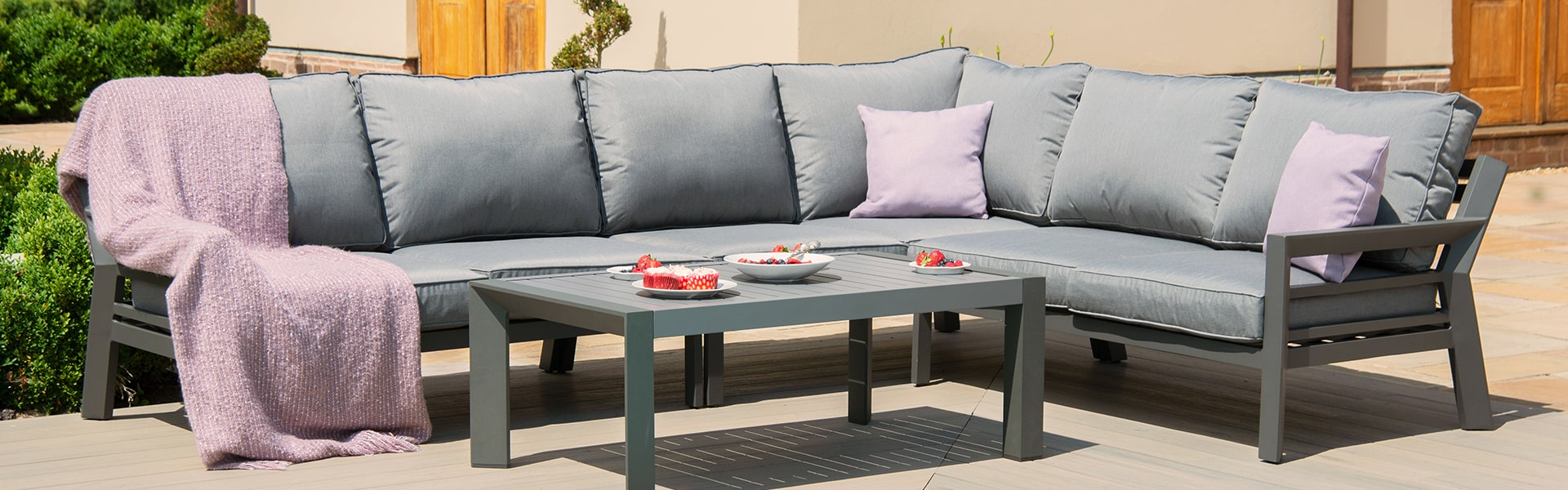
How do I clean and maintain my garden furniture to keep it looking new?
To keep your garden furniture looking new and well-maintained, regular cleaning and proper maintenance are essential. Here are some steps you can follow to clean and maintain your garden furniture:
1. Read the Manufacturer’s Instructions:
Before cleaning your garden furniture, refer to the manufacturer’s instructions and guidelines. Different materials and finishes may require specific cleaning methods or products. Adhering to the manufacturer’s recommendations ensures that you don’t accidentally damage the furniture.
2. Remove Debris:
Start by removing any loose dirt, leaves, or debris from your furniture. Use a soft brush or a cloth to gently sweep away the debris. Pay attention to crevices and corners where dirt may accumulate.
3. Clean with Mild Soap and Water:
For most types of garden furniture, a solution of mild soap and water is sufficient for cleaning. Mix a small amount of mild dish soap or a gentle outdoor furniture cleaner with water. Use a sponge or a soft cloth to clean the surfaces of the furniture, including the frames, tabletops, and seating areas. Rinse thoroughly with clean water afterward.
4. Address Stains Promptly:
If you notice any stains on your furniture, address them promptly. Blot liquid stains with a clean cloth and mild soap solution. For tougher stains, you may need to use a specialized cleaner recommended for the specific material of your furniture. Follow the instructions on the cleaner and test it on a small, inconspicuous area before applying it to the entire surface.
5. Treat Wooden Furniture:
If you have wooden garden furniture, additional care is required. Regularly inspect the wood for signs of cracking, peeling, or discoloration. If necessary, sand the surface lightly and apply a protective finish or outdoor furniture oil to maintain its appearance and protect it from moisture.
6. Maintain Metal Furniture:
Metal garden furniture may require occasional maintenance to prevent rust or corrosion. Check for any signs of rust and remove it using a wire brush or sandpaper. Apply a rust-resistant paint or a protective spray to any exposed metal surfaces.
7. Store or Cover:
When not in use, consider storing your garden furniture indoors or covering it with weatherproof furniture covers. This protects the furniture from the elements and extends its lifespan. Ensure that the furniture is clean and dry before covering or storing it to prevent the growth of mold or mildew.
8. Regularly Inspect and Repair:
Periodically inspect your garden furniture for any signs of wear, loose screws, or damaged parts. Tighten any loose screws or bolts and make necessary repairs promptly to prevent further damage.
By following these cleaning and maintenance practices, you can keep your garden furniture looking new and prolong its lifespan. Regular care and attention will help preserve its appearance and functionality for years to come.
editor by CX 2023-11-02