Product Description
Product Description
FHangZhou Roto’s Shuttle Rotomolding Machine is suitable large size products but not need mass
quantity.
1. Application:Water Tank,Oil Tank,Cooler Box,Furniture,Urea Tank,Road blocks, Float,Auto Parts,
Kayak,Boat and so on.
2.3 Kinds of workarm for choice: Straight-arm,L style offset arm or C style offset arm to choose.
3.3 Kinds of heat source for choice:Natural Gas,Liquefied Gas or Diesel Oil.
4. High effective and thermal insulated of heating chamber to low energy consumption and save cost.
5.Real-time monitoring the temperature of heating chamber to bring high quality products.
6.Remote fault diagnosis can be realized.
Technical Data Sheet
| Model No. | Machine Dimension(m) | Oven Inner Dimension(m) | ||
| Length | Width | Height | ||
| FD2-2600 | 13.0 | 5.6 | 4.0 | 2.6*2.6*2.6 |
| FD2-3100 | 14.7 | 6.1 | 4.5 | 3.1*3.1*3.1 |
| FD2-3600 | 16.3 | 6.8 | 5.0 | 3.6*3.6*3.6 |
| FD2-4100 | 18.0 | 7.5 | 5.5 | 4.1*4.1*4.1 |
| FD2-4600 | 20.0 | 8.0 | 6.0 | 4.6*4.6*4.6 |
| FD2-5100 | 22.0 | 8.7 | 6.5 | 5.1*5.1*5.1 |
| Working Arm Paramenters | Max.Load | ||||||||
| A | B | C | D | E | F | G | Straight Arm | L offset Arm | C offset Arm |
| R1200 | 350 | Φ1900 | Φ1800 | 600 | / | / | 900 | 700 | / |
| R1400 | 360 | Φ2300 | Φ2100 | 800 | / | / | 1300 | 900 | / |
| R1700 | 360 | Φ2800 | Φ2600 | 910 | / | / | 1500 | 1000 | / |
| R1900 | 400 | Φ3160 | Φ3000 | 1100 | / | / | 2000 | 1200 | / |
| R2150 | 420 | Φ3500 | Φ3200 | 1300 | / | / | 2500 | / | 1600 |
| R2400 | 420 | Φ3900 | Φ3500 | 1530 | 3750 | 2750 | 3000 | / | 2000 |
Fangda Shuttle Rotational Molding Machine Advantages
Application
Main Products
Packaging & Shipping
Welcome to contact with me for more details
Phoebe Du
/* March 10, 2571 17:59:20 */!function(){function s(e,r){var a,o={};try{e&&e.split(“,”).forEach(function(e,t){e&&(a=e.match(/(.*?):(.*)$/))&&1
| After-sales Service: | Our Engineer Can Make Installation as After Sale S |
|---|---|
| Warranty: | 1 Year |
| Product Type: | Mass Production |
| Productivity: | 45 Mins |
| Heating: | LGP or Natural Gas |
| Arm Style: | Straight Arm or Offset Arm |
| Customization: |
Available
|
|
|---|
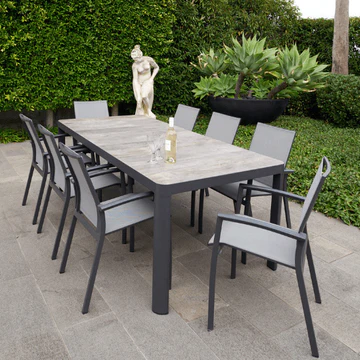
What are the best practices for assembling and maintaining outdoor furniture with glass tops?
Assembling and maintaining outdoor furniture with glass tops requires careful attention to ensure proper installation and long-term durability. Here are some best practices to consider:
1. Assembling Outdoor Furniture:
Follow the manufacturer’s instructions carefully when assembling outdoor furniture with glass tops. Ensure that all parts are correctly aligned and securely fastened to prevent any instability or accidents.
2. Handle with Care:
When handling glass tops, wear protective gloves and take care to avoid dropping or banging them against hard surfaces. Glass can be fragile, so handle it with caution to prevent cracks or damage.
3. Use Protective Pads or Cushions:
Place protective pads or cushions between the glass top and the frame to prevent direct contact and reduce the risk of scratches or chipping. These pads also help provide stability and prevent the glass from sliding or shifting.
4. Avoid Excessive Weight or Pressure:
Avoid placing excessive weight or applying strong pressure on the glass top. Glass can be susceptible to breaking or cracking under heavy loads or impact. Use caution when placing objects on the surface and avoid sitting or standing on the glass top.
5. Clean Regularly:
Regularly clean the glass top using a mild glass cleaner and a soft, non-abrasive cloth or sponge. Avoid using harsh chemicals or abrasive materials that can scratch or damage the glass. Wipe away any spills or debris promptly to prevent staining.
6. Protect from Extreme Temperatures:
Avoid exposing outdoor furniture with glass tops to extreme temperature changes. Sudden temperature variations can cause the glass to expand or contract, leading to potential cracking or breakage. Consider using protective covers or moving the furniture to a shaded area during extreme weather conditions.
7. Inspect for Damage:
Regularly inspect the glass top for any signs of damage, such as cracks, chips, or loose fittings. If you notice any issues, address them promptly. Repair or replace the glass as necessary to maintain the integrity and safety of the furniture.
8. Store During Winter or Inclement Weather:
If possible, store outdoor furniture with glass tops indoors or in a covered area during the winter or periods of inclement weather. This protects the glass from potential damage caused by freezing temperatures, snow, or heavy rain.
9. Follow Safety Guidelines:
Adhere to safety guidelines provided by the manufacturer and any local regulations regarding the use and maintenance of outdoor furniture with glass tops. These guidelines may include weight restrictions, recommended cleaning methods, or other specific instructions to ensure safe and proper use.
By following these best practices, you can assemble and maintain outdoor furniture with glass tops effectively, promoting longevity and enjoyment of your outdoor living space.
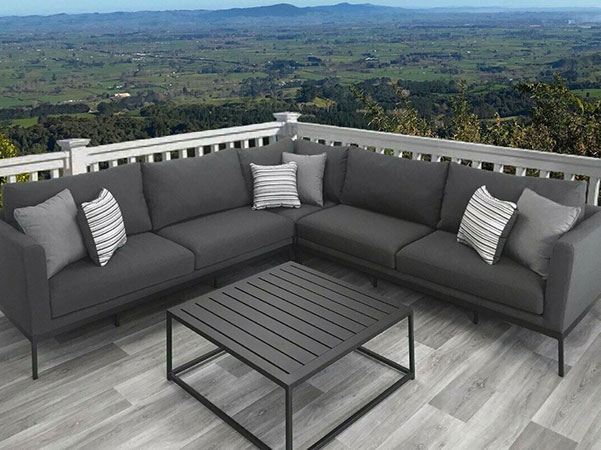
Are there any DIY projects for building custom outdoor furniture pieces?
Yes, there are plenty of DIY projects available for building custom outdoor furniture pieces. If you enjoy woodworking and crafting, creating your own outdoor furniture can be a rewarding and cost-effective option. Here are a few DIY project ideas for building custom outdoor furniture:
1. Adirondack Chairs: Adirondack chairs are classic and comfortable outdoor seating options. There are numerous plans and tutorials available online that provide step-by-step instructions for building Adirondack chairs from scratch. You can customize the design, size, and finish to match your outdoor aesthetic.
2. Pallet Furniture: Repurposing wooden pallets is a popular DIY trend for creating outdoor furniture. With pallets, you can build various pieces like benches, sofas, coffee tables, and even vertical gardens. Look for pallet furniture plans and tutorials that provide guidance on dismantling and assembling pallets into functional and stylish furniture pieces.
3. Outdoor Dining Table: Building your own outdoor dining table allows you to create a custom piece that fits your space and style preferences. You can choose from various materials such as reclaimed wood, cedar, or treated lumber. Look for plans that provide detailed instructions on construction techniques, sizing, and finishing options.
4. Hammock Stand: If you enjoy lounging in a hammock, consider building a hammock stand. This DIY project typically involves working with wood or metal to create a sturdy and stable structure to hang your hammock. Plans and tutorials are available to guide you through the construction process.
5. Outdoor Bar Cart: Building an outdoor bar cart can be a fun and practical DIY project. You can construct a mobile cart with storage for drinks, glasses, and other bar essentials. Look for plans that include details on materials, measurements, and assembly instructions.
6. Outdoor Bench: Building a bench for your outdoor space provides additional seating and can be a versatile piece of furniture. You can create a simple or intricate design based on your skill level and preferences. Look for bench plans that provide guidance on dimensions, joinery techniques, and finishing.
7. Planters and Trellises: DIY planters and trellises can add both functionality and beauty to your outdoor space. You can build custom-sized planters to fit specific areas or construct trellises to support climbing plants. Plans and tutorials are available for different styles and materials.
When undertaking any DIY project, it’s important to prioritize safety. Ensure you have the necessary tools, materials, and skills for the project. Follow the instructions carefully and take proper safety precautions, such as wearing protective gear and working in a well-ventilated area.

Are there any eco-friendly options available for outdoor furniture?
Yes, there are several eco-friendly options available for outdoor furniture that prioritize sustainability and minimize environmental impact. Here are some eco-friendly options to consider:
1. Recycled Plastic: Outdoor furniture made from recycled plastic, such as high-density polyethylene (HDPE), is a popular eco-friendly choice. This material is derived from post-consumer plastic waste, including plastic bottles and containers, and can be recycled again at the end of its life. Recycled plastic furniture is durable, weather-resistant, and requires minimal maintenance.
2. Sustainably Sourced Wood: If you prefer the natural look of wood, opt for outdoor furniture made from sustainably sourced wood, such as teak or eucalyptus. Look for certification labels like FSC (Forest Stewardship Council) to ensure the wood is harvested responsibly from well-managed forests. These types of wood are known for their durability and resistance to weathering.
3. Bamboo: Bamboo is a fast-growing and renewable resource that can be used to create outdoor furniture. It is a durable and lightweight material that offers a natural and tropical aesthetic. Bamboo furniture is often treated to enhance its weather resistance and longevity.
4. Aluminum: Aluminum is a highly recyclable material that is commonly used in outdoor furniture. Look for furniture made from recycled or responsibly sourced aluminum. It is lightweight, rust-resistant, and requires minimal maintenance.
5. Natural Fiber Wicker: Wicker furniture made from natural fibers, such as rattan or seagrass, is another eco-friendly option. These materials are renewable and biodegradable. Look for furniture that uses natural fiber wicker and avoids synthetic or PVC-based wicker.
6. Upcycled or Reclaimed Materials: Consider outdoor furniture made from upcycled or reclaimed materials, such as reclaimed wood or repurposed metal. These options give a new life to materials that would otherwise go to waste and contribute to landfill waste reduction.
7. Minimalist Designs and Longevity: Opting for minimalist designs and furniture with long lifespans can also be eco-friendly. Choosing timeless pieces that are built to last reduces the need for frequent replacements and helps minimize waste.
When looking for eco-friendly outdoor furniture, it’s important to research the materials, production processes, and certifications associated with the products. Look for eco-labels or certifications that indicate the furniture meets specific environmental standards.
By choosing eco-friendly outdoor furniture, you can create a sustainable and environmentally conscious outdoor space.
editor by CX 2024-01-31
China Standard Good Price 6CT Construction Machinery Diesel Engine Air Compressor 3972531 portable air compressor
Product Description
1:Good price 6CT Construction machinery diesel engine air compressor 3972531
2:Model No.: 6CT 6C8.3
3:Part No.: 3972531
4:High quality
5:Original Package
6:Quick delivery
7:One year warranty
8:Best aftersale service
9.Professional inspection equipment
About Delivery:
1, International Express.Such as DHL, UPS, EMS, ARAMEX and so on.Usually after 5 to 7 days you can get the packages.
2, Air Transportatio:.For goods above 100kg, it is a economical choice for the customers.
3, International Marine Container.
Service Commitment:
1, We will send the goods as fast as we can to save your time..
2, All the pictures on our website are real images of the part itself, what you see is what you get.
3, Goods will Be packed safe & carefully
| Certification: | ISO9001 |
|---|---|
| Standard Component: | Standard Component |
| Technics: | Casting |
| Customization: |
Available
|
|
|---|
.shipping-cost-tm .tm-status-off{background: none;padding:0;color: #1470cc}
|
Shipping Cost:
Estimated freight per unit. |
about shipping cost and estimated delivery time. |
|---|
| Payment Method: |
|
|---|---|
|
Initial Payment Full Payment |
| Currency: | US$ |
|---|
| Return&refunds: | You can apply for a refund up to 30 days after receipt of the products. |
|---|
.webp)
How are air compressors employed in the petrochemical industry?
Air compressors play a vital role in the petrochemical industry, where they are employed for various applications that require compressed air. The petrochemical industry encompasses the production of chemicals and products derived from petroleum and natural gas. Here’s an overview of how air compressors are utilized in the petrochemical industry:
1. Instrumentation and Control Systems:
Air compressors are used to power pneumatic instrumentation and control systems in petrochemical plants. These systems rely on compressed air to operate control valves, actuators, and other pneumatic devices that regulate processes such as flow control, pressure control, and temperature control. Compressed air provides a reliable and clean source of energy for these critical control mechanisms.
2. Pneumatic Tools and Equipment:
Petrochemical plants often utilize pneumatic tools and equipment for various tasks such as maintenance, repair, and construction activities. Air compressors supply the necessary compressed air to power these tools, including pneumatic drills, impact wrenches, grinders, sanders, and painting equipment. The versatility and convenience of compressed air make it an ideal energy source for a wide range of pneumatic tools used in the industry.
3. Process Air and Gas Supply:
Petrochemical processes often require a supply of compressed air and gases for specific applications. Air compressors are employed to generate compressed air for processes such as oxidation, combustion, and aeration. They may also be used to compress gases like nitrogen, hydrogen, and oxygen, which are utilized in various petrochemical reactions and treatment processes.
4. Cooling and Ventilation:
Petrochemical plants require adequate cooling and ventilation systems to maintain optimal operating conditions and ensure the safety of personnel. Air compressors are used to power cooling fans, blowers, and air circulation systems that help maintain the desired temperature, remove heat generated by equipment, and provide ventilation in critical areas.
5. Nitrogen Generation:
Nitrogen is widely used in the petrochemical industry for applications such as blanketing, purging, and inerting. Air compressors are utilized in nitrogen generation systems, where they compress atmospheric air, which is then passed through a nitrogen separation process to produce high-purity nitrogen gas. This nitrogen is used for various purposes, including preventing the formation of explosive mixtures, protecting sensitive equipment, and maintaining the integrity of stored products.
6. Instrument Air:
Instrument air is essential for operating pneumatic instruments, analyzers, and control devices throughout the petrochemical plant. Air compressors supply compressed air that is treated and conditioned to meet the stringent requirements of instrument air quality standards. Instrument air is used for tasks such as pneumatic conveying, pneumatic actuators, and calibration of instruments.
By employing air compressors in the petrochemical industry, operators can ensure reliable and efficient operation of pneumatic systems, power various tools and equipment, support critical processes, and maintain safe and controlled environments.
.webp)
What is the energy efficiency of modern air compressors?
The energy efficiency of modern air compressors has significantly improved due to advancements in technology and design. Here’s an in-depth look at the energy efficiency features and factors that contribute to the efficiency of modern air compressors:
Variable Speed Drive (VSD) Technology:
Many modern air compressors utilize Variable Speed Drive (VSD) technology, also known as Variable Frequency Drive (VFD). This technology allows the compressor motor to adjust its speed according to the compressed air demand. By matching the motor speed to the required airflow, VSD compressors can avoid excessive energy consumption during periods of low demand, resulting in significant energy savings compared to fixed-speed compressors.
Air Leakage Reduction:
Air leakage is a common issue in compressed air systems and can lead to substantial energy waste. Modern air compressors often feature improved sealing and advanced control systems to minimize air leaks. By reducing air leakage, the compressor can maintain optimal pressure levels more efficiently, resulting in energy savings.
Efficient Motor Design:
The motor of an air compressor plays a crucial role in its energy efficiency. Modern compressors incorporate high-efficiency electric motors that meet or exceed established energy efficiency standards. These motors are designed to minimize energy losses and operate more efficiently, reducing overall power consumption.
Optimized Control Systems:
Advanced control systems are integrated into modern air compressors to optimize their performance and energy consumption. These control systems monitor various parameters, such as air pressure, temperature, and airflow, and adjust compressor operation accordingly. By precisely controlling the compressor’s output to match the demand, these systems ensure efficient and energy-saving operation.
Air Storage and Distribution:
Efficient air storage and distribution systems are essential for minimizing energy losses in compressed air systems. Modern air compressors often include properly sized and insulated air storage tanks and well-designed piping systems that reduce pressure drops and minimize heat transfer. These measures help to maintain a consistent and efficient supply of compressed air throughout the system, reducing energy waste.
Energy Management and Monitoring:
Some modern air compressors feature energy management and monitoring systems that provide real-time data on energy consumption and performance. These systems allow operators to identify energy inefficiencies, optimize compressor settings, and implement energy-saving practices.
It’s important to note that the energy efficiency of an air compressor also depends on factors such as the specific model, size, and application. Manufacturers often provide energy efficiency ratings or specifications for their compressors, which can help in comparing different models and selecting the most efficient option for a particular application.
Overall, modern air compressors incorporate various energy-saving technologies and design elements to enhance their efficiency. Investing in an energy-efficient air compressor not only reduces operational costs but also contributes to sustainability efforts by minimizing energy consumption and reducing carbon emissions.
.webp)
Are there portable air compressors available for home use?
Yes, there are portable air compressors specifically designed for home use. These portable models offer convenience, versatility, and ease of use for various tasks around the house. Here are some key points about portable air compressors for home use:
1. Compact and Lightweight: Portable air compressors are typically compact and lightweight, making them easy to transport and store. They are designed with portability in mind, allowing homeowners to move them around the house or take them to different locations as needed.
2. Electric-Powered: Most portable air compressors for home use are electric-powered. They can be plugged into a standard household electrical outlet, eliminating the need for gasoline or other fuel sources. This makes them suitable for indoor use without concerns about emissions or ventilation.
3. Versatile Applications: Portable air compressors can be used for a wide range of home applications. They are commonly used for inflating tires, sports equipment, and inflatable toys. They are also handy for operating pneumatic tools such as nail guns, staplers, and paint sprayers. Additionally, portable air compressors can be used for cleaning tasks, powering airbrushes, and other light-duty tasks around the house.
4. Pressure and Capacity: Portable air compressors for home use typically have lower pressure and capacity ratings compared to larger industrial or commercial models. They are designed to meet the needs of common household tasks rather than heavy-duty applications. The pressure and capacity of these compressors are usually sufficient for most home users.
5. Oil-Free Operation: Many portable air compressors for home use feature oil-free operation. This means they do not require regular oil changes or maintenance, making them more user-friendly and hassle-free for homeowners.
6. Noise Level: Portable air compressors designed for home use often prioritize low noise levels. They are engineered to operate quietly, reducing noise disturbances in residential environments.
7. Cost: Portable air compressors for home use are generally more affordable compared to larger, industrial-grade compressors. They offer a cost-effective solution for homeowners who require occasional or light-duty compressed air applications.
When considering a portable air compressor for home use, it’s important to assess your specific needs and tasks. Determine the required pressure, capacity, and features that align with your intended applications. Additionally, consider factors such as portability, noise level, and budget to choose a suitable model that meets your requirements.
Overall, portable air compressors provide a practical and accessible compressed air solution for homeowners, allowing them to tackle a variety of tasks efficiently and conveniently within a home setting.


editor by CX 2023-11-08