Product Description
Product Description
| Tube Material | Aluminium |
| Fabric Material | Textilene |
| Finishing | Powder coating |
| Open Size | 136.5L*59.5W*99H cm |
| Folding Size | 127.5*59.5*26.5 cm |
| Color | Optional |
| logo | Accept customization |
| Net Weight | 6.434kg |
| Packing | 1pc per polybag and 2pc per master carton |
FAQ
Question 1. How about your delivery time?
Generally, it will take 30 to 45 days after receiving your advance payment.
The specific delivery time depends on the items and the quantity of your order.
Question 2. Can you produce according to the samples?
Yes, we can produce by your samples or drawings. We can build the molds.
Question 3. What is your sample policy?
We can supply the sample if we have ready parts in stock, the customers have to pay the sample cost and the courier cost, but sample cost can be refund.
Question 4. Do you test all your goods before delivery?
Yes, we have 100% test before delivery.
| Material: | Aluminium Alloy |
|---|---|
| Style: | Leisure |
| Kind: | Beach/Garden/Outdoor/Camping Chair |
| Folded: | Folded |
| Armrest: | With Armrest |
| Condition: | New |
| Samples: |
US$ 30/Piece
1 Piece(Min.Order) | |
|---|
| Customization: |
Available
|
|
|---|
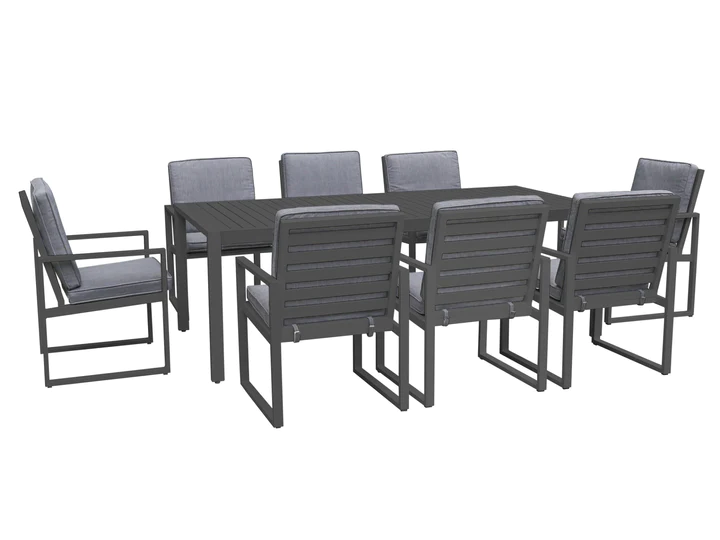
How do I keep my garden furniture from fading in the sun?
Fading of garden furniture due to sun exposure is a common concern. Here are some tips to help prevent fading and prolong the lifespan of your garden furniture:
1. Choose Sun-Resistant Materials:
When selecting garden furniture, opt for materials that are specifically designed to be resistant to fading caused by UV rays. Look for furniture made from materials like aluminum, teak, wrought iron, or UV-resistant synthetic materials that are less prone to fading.
2. Apply Protective Finishes:
Consider applying a protective finish to your garden furniture. Finishes like sealants, varnishes, or outdoor-grade paint can provide an additional layer of protection against UV rays. Make sure to choose finishes that are suitable for outdoor use and follow the manufacturer’s instructions for application.
3. Use Furniture Covers:
When your garden furniture is not in use, cover it with UV-resistant furniture covers. These covers shield the furniture from direct sunlight and help prevent fading. Ensure that the covers fit properly and are secured to withstand wind or other weather conditions.
4. Provide Shade:
Position your garden furniture in shaded areas, such as under a pergola, umbrella, or tree. Providing shade can significantly reduce the amount of direct sunlight your furniture receives, decreasing the risk of fading. Alternatively, you can create shade by using outdoor curtains, sunshades, or canopies.
5. Rotate and Rearrange:
To ensure even exposure to sunlight, periodically rotate and rearrange your garden furniture. This helps distribute the effects of fading more evenly across the furniture pieces. By changing the layout, you can also minimize the impact of prolonged sun exposure on specific areas.
6. Use Reflective Heat-Resistant Materials:
Avoid using dark-colored cushions or fabrics for your garden furniture, as they tend to absorb more heat and sunlight, increasing the risk of fading. Instead, opt for lighter-colored cushions and fabrics that reflect sunlight and heat. Additionally, consider using heat-resistant materials that are less prone to fading.
7. Regular Cleaning and Maintenance:
Regularly clean and maintain your garden furniture to remove dirt, debris, and pollutants that can contribute to fading. Follow the manufacturer’s instructions for cleaning and use appropriate cleaning products. Regular maintenance helps preserve the appearance and condition of the furniture.
8. Store Furniture During Intense Sunlight:
If possible, consider storing your garden furniture in a covered area or indoors during periods of intense sunlight, such as during the hottest hours of the day or during the peak of summer. Storing the furniture away from direct sunlight can help minimize fading.
By implementing these measures, you can help protect your garden furniture from fading caused by sun exposure. Remember, prevention is key, and proactive care will help maintain the appearance and longevity of your outdoor furniture.
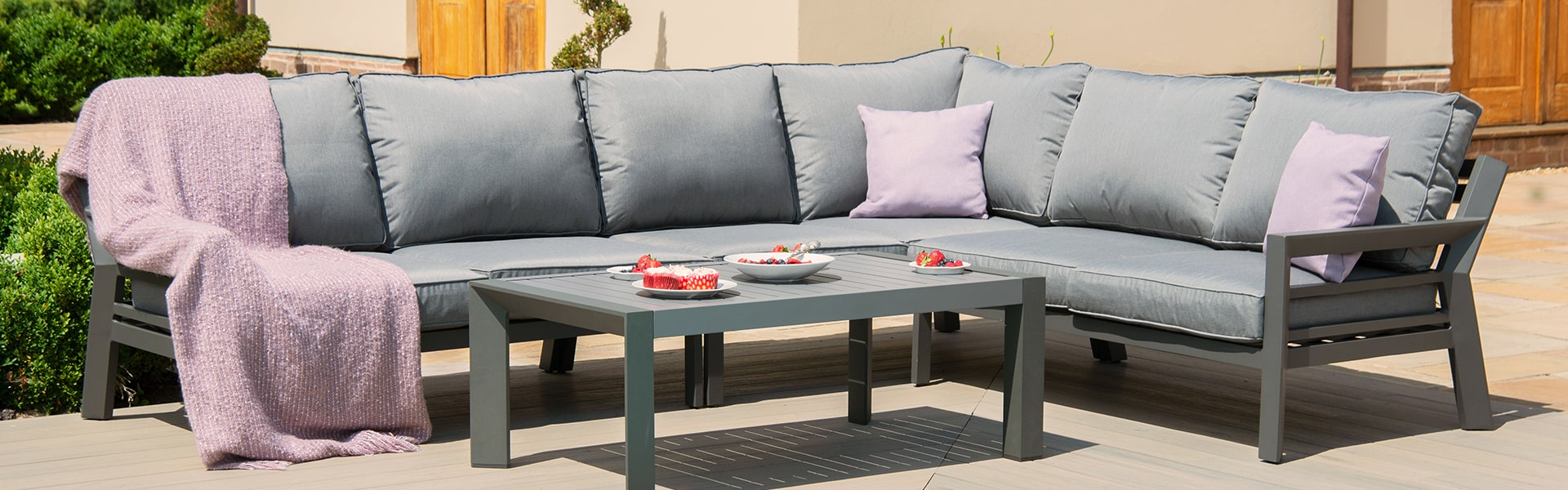
What are the best materials for garden furniture frames that are rust-resistant?
When it comes to selecting garden furniture frames that are rust-resistant, several materials are known for their durability and ability to withstand outdoor conditions. Choosing the right material for your garden furniture can help ensure its longevity and minimize maintenance. Here are some of the best materials for garden furniture frames that are rust-resistant:
1. Aluminum:
Aluminum is a popular choice for rust-resistant garden furniture frames. It is lightweight, durable, and does not rust. Aluminum frames are typically powder-coated or anodized to provide additional protection against corrosion. Powder coating involves applying a protective layer of colored powder that bonds to the metal surface, while anodizing creates a protective oxide layer. Aluminum frames are low maintenance and can withstand various weather conditions.
2. Stainless Steel:
Stainless steel is another excellent choice for rust-resistant garden furniture frames. It is highly resistant to corrosion and can withstand exposure to moisture and harsh outdoor environments. Stainless steel frames are strong and durable, making them suitable for heavy use. However, it’s important to note that low-quality stainless steel or stainless steel with a low chromium content may still be prone to rust, so it’s essential to choose high-quality stainless steel furniture.
3. Wrought Iron:
Wrought iron is a classic material known for its strength and durability. It is typically coated with a protective finish, such as powder coating or paint, to prevent rust. Proper maintenance, including periodic touch-ups and sealing any chips or scratches in the finish, can help maintain the rust resistance of wrought iron frames. Wrought iron furniture adds a timeless and elegant look to garden spaces.
4. Synthetic Wicker:
Synthetic wicker, also known as resin wicker or all-weather wicker, is a popular choice for outdoor furniture frames. It is made from synthetic materials, such as high-density polyethylene (HDPE), that are resistant to rust and other forms of corrosion. Synthetic wicker furniture is lightweight, easy to maintain, and can withstand exposure to various weather conditions. It is often paired with aluminum frames for added durability.
5. Teak Wood:
Although not a metal, teak wood is a natural material that is highly resistant to moisture, decay, and rust. Teak furniture frames are an excellent choice for outdoor use due to their inherent durability. Teak wood contains natural oils that protect it from rot and corrosion. However, teak furniture requires regular maintenance, such as cleaning and periodic application of teak oil, to maintain its appearance and prevent graying.
6. Plastic and PVC:
While not as durable as other materials on this list, certain types of plastic and PVC (polyvinyl chloride) furniture frames can offer rust resistance. Plastic and PVC frames are lightweight, affordable, and require minimal maintenance. Look for high-quality plastic or PVC furniture that is specifically designed for outdoor use and resistant to UV radiation and fading.
When choosing rust-resistant garden furniture frames, consider factors such as durability, maintenance requirements, and overall aesthetic appeal. It’s also important to note that while these materials are rust-resistant, proper care and maintenance still play a crucial role in prolonging the lifespan of your garden furniture.
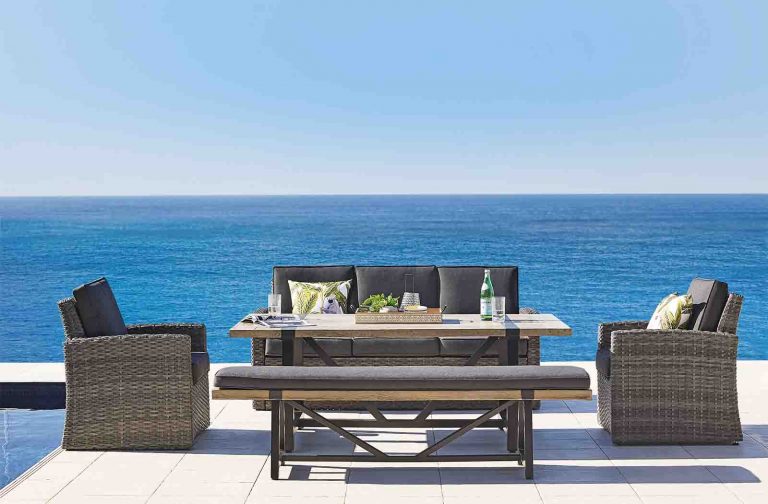
Are there any eco-friendly or sustainable options for garden furniture?
Yes, there are several eco-friendly and sustainable options available for garden furniture. These options prioritize environmentally conscious materials, manufacturing processes, and durability. Here are some examples of eco-friendly and sustainable garden furniture:
1. Reclaimed Wood Furniture:
Furniture made from reclaimed wood is a sustainable choice. Reclaimed wood is salvaged from old buildings, barns, or other sources and repurposed into furniture. This helps reduce the demand for new timber and minimizes waste. Reclaimed wood furniture can have a unique, rustic appearance and is often treated for outdoor use.
2. FSC Certified Wood Furniture:
FSC (Forest Stewardship Council) certification ensures that the wood used in furniture comes from responsibly managed forests. FSC-certified wood is sourced in an environmentally and socially responsible manner, promoting sustainable forestry practices. Look for garden furniture with FSC certification to support sustainable timber production.
3. Recycled Plastic Furniture:
Furniture made from recycled plastic is an eco-friendly alternative to traditional plastic or wood furniture. This type of furniture is made from post-consumer plastic waste, such as plastic bottles or packaging. Recycled plastic furniture is durable, resistant to weather conditions, and requires minimal maintenance.
4. Metal Furniture with Recycled Content:
Some metal garden furniture options incorporate recycled content. For example, aluminum furniture made from recycled aluminum reduces the need for mining new raw materials. Look for manufacturers that use recycled metal in their furniture designs to support recycling initiatives.
5. Bamboo Furniture:
Bamboo is a fast-growing and renewable resource, making it an eco-friendly material for garden furniture. It is known for its strength, durability, and natural resistance to pests and weather conditions. Bamboo furniture is lightweight, aesthetically pleasing, and can be a sustainable choice for outdoor settings.
6. Natural Fiber Furniture:
Natural fibers such as rattan, seagrass, or wicker can be sustainable options for garden furniture. These materials are derived from plants and can be harvested without causing significant harm to the environment. Look for furniture made from sustainably sourced natural fibers and treated for outdoor use.
7. Upcycled or Vintage Furniture:
Consider upcycling or repurposing old furniture to create unique and sustainable garden pieces. By giving new life to pre-existing furniture, you can reduce waste and create personalized and environmentally friendly designs. Additionally, vintage or secondhand garden furniture can be a sustainable choice, as it extends the lifespan of existing pieces.
When selecting eco-friendly or sustainable garden furniture, look for certifications, labels, or information provided by the manufacturer that indicates their commitment to sustainability. Consider the durability, maintenance requirements, and end-of-life disposal options to make an informed choice for your outdoor space.
editor by CX 2023-10-23
China Professional Outdoor Garden CHINAMFG Set Bistro Table Chair Patio Garden Furniture Cast CHINAMFG Dining Table and Chairs Bistro Furniture Set vacuum pump oil near me
Product Description
HangZhou Zixuan Furniture Co., Ltd. is a factory specializing in the production of outdoor furniture. It has nearly 20 years of experience in the production of outdoor furniture. There are some experienced teachers in the factory. They are very professional and have guaranteed quality. We can customize them. If you have pictures, we can produce them. Welcome to contact us. We are very confident that we can make your order. Welcome to inquire! Price gives you very affordable price and guaranteed quality products! If necessary, you can send a picture inquiry! We very much welcome you to visit
| Material: | Metal |
|---|---|
| Style: | Simple |
| Usage: | Bar, Hotel, Dining Room, Outdoor |
| Samples: |
US$ 470/Piece
1 Piece(Min.Order) | Order Sample Can customize colors
|
|---|
| Customization: |
Available
|
|
|---|
.shipping-cost-tm .tm-status-off{background: none;padding:0;color: #1470cc}
|
Shipping Cost:
Estimated freight per unit. |
about shipping cost and estimated delivery time. |
|---|
| Payment Method: |
|
|---|---|
|
Initial Payment Full Payment |
| Currency: | US$ |
|---|
| Return&refunds: | You can apply for a refund up to 30 days after receipt of the products. |
|---|
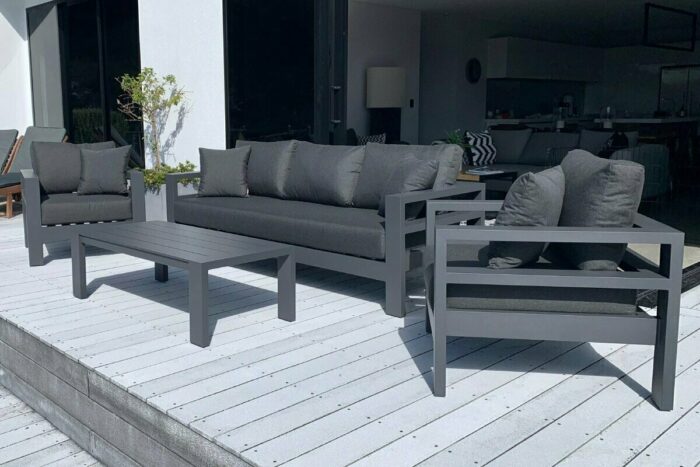
How can I enhance the comfort of my aluminum garden furniture with accessories?
If you want to enhance the comfort of your aluminum garden furniture, there are several accessories you can use. Here are some ideas:
1. Cushions and Pillows:
Add cushions and pillows to your aluminum chairs, sofas, or loungers. Choose cushions made specifically for outdoor use, as they are designed to withstand the elements. Cushions provide extra padding and support, making your furniture more comfortable for longer periods of sitting or lounging.
2. Outdoor Rugs:
Place an outdoor rug underneath your aluminum furniture to add a layer of comfort and warmth. Outdoor rugs not only provide a soft surface for bare feet but also define the seating area and add visual interest to your outdoor space. Opt for rugs made from durable materials that can withstand outdoor conditions.
3. Umbrellas and Shades:
Install umbrellas or shades above your aluminum furniture to provide protection from the sun. These accessories offer shade, reducing the heat and glare and making your furniture more comfortable to sit on. Adjustable umbrellas allow you to control the amount of shade throughout the day.
4. Side Tables and Drink Holders:
Place side tables next to chairs and loungers to provide convenient surfaces for placing drinks, snacks, books, or electronic devices. Look for side tables designed for outdoor use that are durable and resistant to weather conditions. Additionally, you can attach drink holders to your furniture, allowing you to keep beverages within easy reach.
5. Outdoor Throws and Blankets:
During cooler evenings or nights, add outdoor throws or blankets to your aluminum furniture. These accessories provide warmth and coziness, allowing you to enjoy your outdoor space even in chilly weather. Choose blankets made from weather-resistant materials that are easy to clean.
6. Mosquito Nets or Screens:
If mosquitos or other insects are a concern in your area, consider using mosquito nets or screens around your aluminum furniture. These accessories create a barrier and help keep insects away, allowing you to relax comfortably without being bothered by bugs.
7. Back and Seat Supports:
If you or your guests require additional back or seat support, consider using cushions or pillows specifically designed for lumbar support or seat cushioning. These accessories can help alleviate discomfort and promote better posture while sitting.
8. Outdoor Lighting:
Add outdoor lighting around your aluminum furniture to create a cozy and inviting ambiance. Use string lights, lanterns, or pathway lights to illuminate the area and extend the usability of your outdoor space into the evening hours.
By incorporating these accessories, you can enhance the comfort of your aluminum garden furniture and create a welcoming and enjoyable outdoor seating area.
How do I prevent mold and mildew from developing on aluminum garden furniture cushions?
To prevent mold and mildew from developing on aluminum garden furniture cushions, you can take several preventive measures. Here are some effective methods to consider:
1. Proper Storage:
When not in use, it’s essential to store your aluminum garden furniture cushions properly. Make sure to remove the cushions from the furniture and store them in a dry and well-ventilated area. Avoid storing them in damp or humid environments, as this can encourage mold and mildew growth.
2. Regular Cleaning:
Regularly cleaning your aluminum garden furniture cushions is crucial for preventing mold and mildew. Use a mild detergent or specialized fabric cleaner to clean the cushions, following the manufacturer’s instructions. Scrub gently with a soft brush or sponge and rinse thoroughly with water. Allow the cushions to dry completely before placing them back on the furniture.
3. Adequate Air Circulation:
Proper air circulation is essential to prevent mold and mildew growth. Avoid covering the cushions with impermeable materials, such as plastic or vinyl covers, for extended periods. These covers can trap moisture and create a favorable environment for mold and mildew. Instead, use breathable covers or consider removing the cushions during periods of high humidity or rain.
4. Use of Moisture Barriers:
Consider using moisture barriers between the cushions and the furniture to prevent moisture buildup. There are various options available, such as waterproof cushion covers, moisture-resistant fabric liners, or adding a layer of waterproof material between the cushions and the furniture. These barriers can help repel moisture and inhibit the growth of mold and mildew.
5. Regular Inspection:
Regularly inspect your aluminum garden furniture cushions for any signs of mold or mildew. Check for visible stains, discoloration, or musty odors, which may indicate the presence of mold or mildew. If you notice any signs, take immediate action to clean and treat the affected areas using appropriate mold and mildew cleaners or solutions.
6. Sun Exposure:
Exposing your cushions to sunlight can help prevent mold and mildew growth. Mold and mildew thrive in dark and damp conditions, so placing your cushions in direct sunlight periodically can help dry out any moisture and inhibit their growth. However, be cautious not to expose the cushions to excessive sunlight for extended periods, as it can cause fading or damage to the fabric.
By implementing these preventive measures, you can significantly reduce the risk of mold and mildew development on your aluminum garden furniture cushions. Regular maintenance and proper care will help ensure that your cushions remain clean, fresh, and mold-free, allowing you to enjoy your outdoor space comfortably.
How can I maintain and care for my aluminum garden furniture to keep it looking new?
To keep your aluminum garden furniture looking new and well-maintained, here are some tips for maintenance and care:
1. Regular Cleaning:
Regular cleaning is essential to prevent dirt, debris, and stains from accumulating on your aluminum furniture. Use mild soap or a gentle household cleaner mixed with water to clean the surfaces. Avoid abrasive cleaners or tools that can scratch the aluminum. After cleaning, rinse thoroughly with water and dry the furniture completely.
2. Protective Covers:
Consider using protective covers when your aluminum furniture is not in use, especially during long periods of storage or inclement weather. Covers can help shield the furniture from dust, dirt, and UV rays, prolonging its lifespan and maintaining its appearance.
3. Avoid Harsh Elements:
While aluminum is durable and weather-resistant, it’s still a good practice to avoid exposing your furniture to extreme weather conditions whenever possible. Direct exposure to prolonged sunlight, heavy rain, or snow can gradually affect the appearance and finish of the furniture. If you live in an area with harsh weather, consider moving your furniture to a protected area or using umbrellas or shade sails to provide additional protection.
4. Rust Prevention:
Although aluminum is naturally resistant to rust, certain factors can still cause corrosion. To further protect your furniture, apply a thin layer of automotive wax or a specialized metal protector to the surfaces. This protective layer can help guard against oxidation and maintain the shine of the aluminum.
5. Cushion Care:
If your aluminum furniture has cushions, follow the manufacturer’s instructions for cleaning and maintenance. Remove the cushions when not in use or during storage to prevent moisture accumulation. Spot clean any spills or stains promptly to avoid permanent damage.
6. Inspect and Repair:
Regularly inspect your aluminum furniture for any signs of damage or loose parts. Tighten screws or bolts if necessary and address any minor issues promptly to prevent further damage.
7. Seasonal Storage:
If you live in an area with harsh winters or extended periods of non-use, consider storing your aluminum furniture indoors or in a dry and well-ventilated storage area. Clean and dry the furniture thoroughly before storage, and consider using furniture covers or protective wraps to prevent scratches or dings.
By following these maintenance and care tips, you can keep your aluminum garden furniture looking new and extend its lifespan. Regular cleaning, protective covers, avoiding harsh elements, rust prevention, cushion care, inspecting and repairing, and proper seasonal storage will help you maintain the appearance and functionality of your aluminum furniture for years to come.
editor by CX 2023-10-23
China Good quality 60cm Outdoor Waterproof LED Magic Ball Light LED Leisure Furniture Decoration Garden Ball manufacturer
Product Description
60cm outdoor waterproof LED Magic Ball Light LED Leisure Furniture garden ball light
waterproof, colorful, rechargeable and remote control
1#.Datasheet:
| Specifications & Parameter | |||||||||||||||||||||||||||||||||||||||||||||||||||||||||||||||||||||||||||||||||||||||||||||||||||||||||||||||||||||||||||||||||||||||||||||||||||||||||||||||||||||||||||||||||||||||||||||||||||||||||||||||||||||||||||||||||||||||||||||||||||||||||||||||||||||||||||||||||||||||||||||||||||||||||||||||||||||||||||||||||||||||||||||||||||||||||||||||||||||||||||||||||||||||||||||||||||||||||||||||||||||||||||||||||||||||||||||||||||||||||||||||||||||||||||||||||||||||||||||||||||||||||||||||||||||||||||||||||||||||||||||||||||||||||||||||||||||||||||||||||||||||||||||||||||||||||||||||||||||||||||||||||||||||||||||||||||||||||||||||||||||||||||||||||||||||||||||||||||||||||||||||||||||||||||||||||||||||||||||||||||||||||||||||||||||||||||||||||||||||||||||||||||||||||||||||||||||||||||||||||||||||||||||||||||||||||||||||||||||||||||||||||||||||||||||||||||||||||||||||||||||||||||||||||||||||||||||||||||||||||||||||||||||||||||||||||||||||||||||||||||||||||||||||||||||||||||||||||||||||
| Type: | glowing led furniture-led ball light | ||||||||||||||||||||||||||||||||||||||||||||||||||||||||||||||||||||||||||||||||||||||||||||||||||||||||||||||||||||||||||||||||||||||||||||||||||||||||||||||||||||||||||||||||||||||||||||||||||||||||||||||||||||||||||||||||||||||||||||||||||||||||||||||||||||||||||||||||||||||||||||||||||||||||||||||||||||||||||||||||||||||||||||||||||||||||||||||||||||||||||||||||||||||||||||||||||||||||||||||||||||||||||||||||||||||||||||||||||||||||||||||||||||||||||||||||||||||||||||||||||||||||||||||||||||||||||||||||||||||||||||||||||||||||||||||||||||||||||||||||||||||||||||||||||||||||||||||||||||||||||||||||||||||||||||||||||||||||||||||||||||||||||||||||||||||||||||||||||||||||||||||||||||||||||||||||||||||||||||||||||||||||||||||||||||||||||||||||||||||||||||||||||||||||||||||||||||||||||||||||||||||||||||||||||||||||||||||||||||||||||||||||||||||||||||||||||||||||||||||||||||||||||||||||||||||||||||||||||||||||||||||||||||||||||||||||||||||||||||||||||||||||||||||||||||||||||||||||||||||
| Model No.: | CLBR6060 | ||||||||||||||||||||||||||||||||||||||||||||||||||||||||||||||||||||||||||||||||||||||||||||||||||||||||||||||||||||||||||||||||||||||||||||||||||||||||||||||||||||||||||||||||||||||||||||||||||||||||||||||||||||||||||||||||||||||||||||||||||||||||||||||||||||||||||||||||||||||||||||||||||||||||||||||||||||||||||||||||||||||||||||||||||||||||||||||||||||||||||||||||||||||||||||||||||||||||||||||||||||||||||||||||||||||||||||||||||||||||||||||||||||||||||||||||||||||||||||||||||||||||||||||||||||||||||||||||||||||||||||||||||||||||||||||||||||||||||||||||||||||||||||||||||||||||||||||||||||||||||||||||||||||||||||||||||||||||||||||||||||||||||||||||||||||||||||||||||||||||||||||||||||||||||||||||||||||||||||||||||||||||||||||||||||||||||||||||||||||||||||||||||||||||||||||||||||||||||||||||||||||||||||||||||||||||||||||||||||||||||||||||||||||||||||||||||||||||||||||||||||||||||||||||||||||||||||||||||||||||||||||||||||||||||||||||||||||||||||||||||||||||||||||||||||||||||||||||||||||
| Product size: | Dia60cm (other size: 1hours 7)We provide 2 YEAR warranty for all parts. 8)Fast delivery: 7-10days 9)No radioactive rays, safe to use 10)Shipping Way: by sea/by air 5#Trade Term: 6#Shipping Methods 7#FAQ
.shipping-cost-tm .tm-status-off{background: none;padding:0;color: #1470cc}
Can outdoor furniture cushions be replaced or reupholstered?Yes, outdoor furniture cushions can often be replaced or reupholstered, depending on the specific design and construction of the cushions. Here’s a breakdown of the options: 1. Replacement Cushions: Many outdoor furniture manufacturers offer replacement cushions specifically designed for their furniture lines. These cushions are available in various sizes, shapes, and colors to match your existing furniture. You can contact the manufacturer or search for authorized retailers to find the appropriate replacement cushions. 2. Custom Cushions: If you cannot find replacement cushions that fit your outdoor furniture, you can consider having custom cushions made. There are companies that specialize in creating custom cushions tailored to your specific measurements and design preferences. This option allows you to choose the fabric, foam density, and other elements to match your outdoor aesthetic. 3. Reupholstering: If the cushion foam is still in good condition, but the fabric cover is worn or damaged, you can opt to reupholster the cushions. Reupholstering involves removing the old fabric and replacing it with new fabric of your choice. This can be done by a professional upholsterer or as a DIY project if you have the necessary skills and tools. 4. DIY Cushion Covers: If you have basic sewing skills, you can make your own cushion covers. This option allows you to choose the fabric and customize the design according to your preferences. There are numerous online tutorials and patterns available to guide you through the process of creating new cushion covers. 5. Maintenance: Regular maintenance can help prolong the lifespan of outdoor cushions. Protecting them from direct sunlight, moisture, and dirt can prevent premature wear and damage. Using furniture covers, storing cushions in a dry place during the off-season, and cleaning them according to the manufacturer’s instructions can help maintain their appearance and condition. Before replacing or reupholstering outdoor furniture cushions, it’s important to assess the overall condition of the cushions, including the foam inserts. If the foam has deteriorated or lost its shape, it may be necessary to replace the entire cushion rather than just the fabric cover. Whether you choose to replace, reupholster, or make your own cushion covers, it’s important to consider the specific requirements of outdoor use. Opt for fabrics that are specifically designed for outdoor environments, as they are typically resistant to fading, mildew, and moisture. This will ensure that your new cushions or covers are durable and can withstand the elements.
How do I choose the right size outdoor furniture for my space?Choosing the right size outdoor furniture is crucial to ensure a comfortable and functional outdoor living space. Here are some steps to help you select the appropriate size: 1. Assess Your Space: Measure the available space in your outdoor area to determine the dimensions you have to work with. Consider the overall layout, including any architectural features, existing structures, and natural elements like trees or slopes that may impact the placement and size of your furniture. 2. Determine the Purpose: Decide how you plan to use your outdoor space. Will it be primarily for dining, lounging, or a combination of both? This will help determine the type and size of furniture you need. 3. Consider Traffic Flow: Allow adequate space for people to move around and navigate comfortably. Consider pathways, entrances, and exits to ensure there is enough room for easy movement without feeling cramped. 4. Choose Appropriate Furniture Types: Based on your space and intended use, select the types of outdoor furniture that best fit your needs. Common options include dining sets, lounge chairs, sofas, benches, and sectional seating arrangements. 5. Take Seat and Table Heights into Account: Ensure that the seat height of chairs or sofas aligns with the table height for dining sets. This will ensure a comfortable and ergonomic seating arrangement. 6. Allow for Clearance: Provide ample space around the furniture for easy movement and to avoid feeling cramped. Allow around 18-24 inches of clearance behind chairs for easy access and movement. 7. Consider Scale and Proportion: Choose furniture that is proportionate to the size of your outdoor space. Oversized furniture can make a small space feel crowded, while undersized furniture may look out of place in a large area. 8. Test and Visualize: If possible, arrange a mock layout using cardboard or tape to visualize how the furniture will fit in your space. This can help you assess the scale, proportion, and flow before making a final decision. 9. Read Product Specifications: Pay attention to the dimensions provided by furniture manufacturers. Check the measurements of each piece to ensure it will fit comfortably in your space. By carefully considering the size, layout, and purpose of your outdoor area, you can choose furniture that fits well and maximizes the functionality and aesthetics of your space.
How do I choose the right cushions and fabrics for my outdoor furniture?Choosing the right cushions and fabrics for your outdoor furniture is essential to ensure comfort, durability, and resistance to the elements. Here are some factors to consider when making your selection: 1. Weather Resistance: Opt for cushions and fabrics that are specifically designed for outdoor use and can withstand various weather conditions. Look for materials that are water-resistant, fade-resistant, and mold/mildew-resistant. Common weather-resistant fabrics include solution-dyed acrylic, polyester blends, and Sunbrella fabrics. 2. Durability: Outdoor furniture cushions and fabrics should be able to withstand frequent use and the rigors of outdoor environments. Choose fabrics that are durable and have a high abrasion resistance rating. Reinforced stitching and quality construction also contribute to the longevity of the cushions. 3. UV Protection: Sun exposure can cause fading and deterioration of fabrics. Select fabrics that have built-in UV protection to minimize color fading and maintain their appearance over time. Sunbrella fabrics, for example, offer excellent UV resistance. 4. Easy Maintenance: Consider the ease of cleaning and maintenance when choosing cushions and fabrics. Look for fabrics that are easy to clean with mild soap and water or can be machine-washed. Stain-resistant fabrics can also be beneficial in outdoor settings. 5. Comfort: Opt for cushions that provide sufficient comfort and support. Consider the thickness and density of the cushion foam or filling. High-quality foam or fiberfill materials offer better resilience and long-lasting comfort. 6. Color and Style: Choose cushions and fabrics that complement your outdoor aesthetic and personal style. Consider the color scheme, patterns, and textures that will enhance the overall look of your outdoor furniture and space. 7. Compatibility: Ensure that the cushions and fabrics you choose are compatible with your specific outdoor furniture pieces. Measure the dimensions of your furniture and select cushions that fit properly and securely. 8. Test and Research: Whenever possible, examine and test the cushions and fabrics in person. Feel the texture, sit on the cushions, and assess their comfort and quality. Additionally, research customer reviews and ratings to gather insights into the performance and durability of the fabrics. By considering these factors and conducting thorough research, you can choose cushions and fabrics that are well-suited for your outdoor furniture, providing comfort, durability, and style for your outdoor living space. editor by CX 2023-10-23 China Standard Outdoor Dining Chair with Powder Coated CHINAMFG Frame wholesalerProduct Description
Product Description
The price on web is not fully correct, it depends on what kinds of materials and packing that you choose, we will send you full price list with detailed information when we receive your inquiry.
How about living life with Nature. Luxox bring you the choice of relaxing into the lap of Nature. Go and indulge in Outdoor living extravaganza. Be inspired to get up early in that misty morning and feel the fragrance of flowers in your balcony. We aspire to make your outdoor area an inviting place to sit and relax in the lap of nature. When the sun is cool, move outdoor. Nicely organized outdoor areas has plenty of room for playing, growing, dining and relaxing. When the sun is a bit too hot, we have umbrellas and gazebos to keep you cool. Come..Just relax by pool side with our Patio collection. Flash back to the dawn of mankind furniture concepts to tufts of water hyacinth and sea-grass used to weave and create that original brilliance. The LUXOX range of braided furniture derives from just those traditional aesthetics. Only here, a classic weave and a classy modularity, unaffected by the elements, work in synchronized tandem. An evocative nostalgia holds hands with state-of-the art technology and novelty in furniture design. Exclusive. Special. So you. The furniture can be used outdoors as well as Indoor, not only in lounges or living rooms, but also in gardens. Through use of aluminium and polyethylene optimal protection against extreme weather conditions is guaranteed, that is made to last, but also to be pleasing to the human eye. The Luxox luxury furniture, requires almost no maintenance, and can be left outside, through out all seasons including rains.
1. SKU/Product Code: L-OBR-CS-0099 (OOutdoor Braided, Rope & Cord Coffee Set – Flamenco)
.shipping-cost-tm .tm-status-off{background: none;padding:0;color: #1470cc}
Can I find budget-friendly aluminum chair options without compromising quality?Yes, it is possible to find budget-friendly aluminum chair options without compromising quality. While aluminum chairs are often associated with durability and longevity, there are affordable options available that offer both quality construction and an attractive price point. Here are some tips for finding budget-friendly aluminum chairs without compromising on quality: 1. Research and Compare: Take the time to research and compare different brands, models, and retailers to find the best deals. Look for reputable manufacturers or suppliers that offer aluminum chairs at competitive prices. Online marketplaces, furniture outlets, and sales events can be great resources for finding budget-friendly options. 2. Consider Material Composition: While aluminum is a popular material for chairs, there may be variations in the composition or quality of the aluminum used. Look for chairs that use high-quality, lightweight aluminum alloys that offer strength and durability. Avoid chairs made from lower-grade aluminum that may be more prone to dents or corrosion. 3. Simple Designs: Chairs with simpler designs and fewer intricate details often come at a more affordable price. Look for aluminum chairs with clean lines and minimalist aesthetics. These chairs can still offer functionality and style while keeping the cost down. 4. Consider Used or Refurbished Options: Another way to find budget-friendly aluminum chairs is to consider used or refurbished options. Check online classifieds, thrift stores, or second-hand furniture outlets for pre-owned aluminum chairs in good condition. You can also explore refurbished furniture retailers that restore and sell quality used chairs at lower prices. 5. Read Customer Reviews: Before making a purchase, read customer reviews and ratings for the specific aluminum chairs you are considering. Feedback from other buyers can provide insights into the quality, durability, and value for money of the chairs. Look for positive reviews that indicate the chairs are well-made and offer good value. 6. Warranty and Return Policies: Check if the budget-friendly aluminum chairs come with any warranties or return policies. Even with affordable options, a warranty can offer reassurance regarding the quality and durability of the chairs. Return policies can also provide a safety net in case the chairs do not meet your expectations. 7. Consider Bulk Buying or Sales: If you need multiple chairs, consider bulk buying options or keep an eye out for sales and discounts. Many retailers offer discounts when purchasing sets of chairs or during promotional periods. This can help you get quality aluminum chairs at a more budget-friendly price. Remember that while price is an important factor, it’s also crucial to consider factors such as construction, durability, and comfort when evaluating the quality of budget-friendly aluminum chairs. By researching, comparing options, and considering the tips above, you can find affordable aluminum chairs that meet your budget requirements without compromising on quality.
Are there eco-friendly or sustainable options for aluminum chair production?Yes, there are eco-friendly and sustainable options for aluminum chair production. The production process of aluminum chairs can be modified to reduce environmental impact and promote sustainability. Here are some ways in which aluminum chair production can be more eco-friendly: 1. Recycled Aluminum: Using recycled aluminum is an eco-friendly option for chair production. Aluminum is a highly recyclable material, and using recycled aluminum reduces the need for extracting and refining new raw materials. Recycled aluminum can be melted down and reprocessed to create new aluminum products, including chairs. Choosing aluminum chairs made from recycled content helps conserve natural resources and reduces energy consumption and greenhouse gas emissions associated with primary aluminum production. 2. Sustainable Manufacturing Practices: Manufacturers can adopt sustainable practices during the production process of aluminum chairs. This includes optimizing energy efficiency, reducing water usage, and minimizing waste generation. Implementing technologies and processes that reduce environmental impact, such as using renewable energy sources, recycling process waste, and implementing water conservation measures, can make the production process more sustainable. 3. Low VOC Finishes: The finishes applied to aluminum chairs can have an environmental impact. Opting for low VOC (volatile organic compound) finishes or powder coatings reduces the emission of harmful chemicals into the environment. Low VOC finishes have lower levels of toxic solvents, contributing to better indoor and outdoor air quality and minimizing the environmental footprint of chair production. 4. Longevity and Durability: Designing aluminum chairs with longevity and durability in mind promotes sustainability. Chairs that are built to last with high-quality materials and craftsmanship reduce the need for frequent replacements. By investing in durable aluminum chairs, you contribute to a more sustainable approach by reducing waste and minimizing the consumption of resources over time. 5. End-of-Life Recycling: Consideration should be given to the end-of-life phase of aluminum chairs. Designing chairs with recyclability in mind and establishing recycling programs or partnerships with recycling facilities can ensure that the chairs are properly recycled at the end of their lifespan. This closes the loop on the product life cycle and reduces waste sent to landfills. 6. Third-Party Certifications: Look for aluminum chairs that have obtained third-party certifications or labels indicating their environmental credentials. For example, certifications such as the Forest Stewardship Council (FSC) or the Cradle to Cradle (C2C) certification demonstrate that the chairs have met certain environmental and social sustainability criteria. By considering these eco-friendly options and sustainable practices, manufacturers and consumers can contribute to minimizing the environmental impact of aluminum chair production and promote a more sustainable furniture industry.
Can aluminum chairs withstand exposure to sun, rain, and other weather conditions?Yes, aluminum chairs are designed to withstand exposure to sun, rain, and various weather conditions. Aluminum is known for its excellent weather resistance, making it a popular choice for outdoor furniture. Here’s a detailed explanation: 1. Sun Exposure: Aluminum chairs can withstand prolonged exposure to sunlight without significant damage. Unlike some materials, aluminum does not fade, crack, or become brittle when exposed to UV rays. This makes aluminum chairs a suitable choice for outdoor seating areas and patio furniture. 2. Rain and Moisture: Aluminum is highly resistant to moisture and does not rust or corrode easily. It is not affected by rain or water exposure, making aluminum chairs ideal for outdoor use. However, it’s worth noting that if the chairs have cushions or other components made from materials that are not water-resistant, those components may require proper care and maintenance. 3. Temperature Fluctuations: Aluminum chairs can withstand temperature fluctuations without significant damage. They do not expand or contract excessively with changes in temperature, which helps maintain their structural integrity. This makes aluminum chairs suitable for use in regions with varying climates. 4. Other Weather Conditions: Aluminum chairs are generally resistant to other weather conditions such as wind, humidity, and salt air. Their corrosion-resistant properties make them suitable for coastal areas or regions with high humidity levels. However, it’s important to note that extreme weather conditions, such as severe storms or hurricanes, can potentially damage any outdoor furniture, including aluminum chairs. While aluminum chairs are designed to withstand exposure to sun, rain, and other weather conditions, it’s still important to take some maintenance measures to prolong their lifespan and appearance. Regular cleaning with mild soap and water can help remove dirt and debris. Applying a protective wax or clear coat can provide additional protection against the elements and maintain the chair’s finish. It’s also worth mentioning that individual factors such as the quality of the aluminum, the design and construction of the chair, and the specific environmental conditions in which the chairs are placed can affect their long-term durability. Therefore, it’s recommended to follow the manufacturer’s guidelines and recommendations for care and maintenance to ensure the chairs’ optimal performance and longevity. editor by CX 2023-10-23 China manufacturer Top Furniture Hotel Furniture Metal Aluminium Banquet Chair with Great qualityProduct Description
Top Furniture Hotel Furniture Luxury Aluminium Banquet Chair for Restaurant We are professional manufactory to produce hotel chair, sofa ect. We can produce the sofa as your request.
FAQ 1.What’s your main products?
Can aluminum chairs be used in commercial settings such as restaurants or cafes?Yes, aluminum chairs can be used in commercial settings such as restaurants or cafes. In fact, aluminum chairs are a popular choice for commercial establishments due to their numerous advantages. Here are the key reasons why aluminum chairs are suitable for commercial settings: 1. Durability: Aluminum chairs are known for their durability. They are sturdy and can withstand frequent use in high-traffic areas. Aluminum is a corrosion-resistant material, making it highly resistant to rust and deterioration. This durability ensures that the chairs can withstand the rigors of a commercial environment and maintain their quality and appearance over time. 2. Lightweight: Another advantage of aluminum chairs is their lightweight nature. This makes them easy to move and rearrange, which is beneficial in commercial settings where flexibility and adaptability may be required. The lightweight property of aluminum chairs also facilitates ease of cleaning and maintenance. 3. Weather Resistance: If your commercial establishment has an outdoor seating area, aluminum chairs are an excellent choice. Aluminum is highly resistant to weather elements such as moisture and UV rays. This makes the chairs suitable for outdoor use, as they can withstand exposure to sunlight, rain, and other environmental factors without significant damage or deterioration. Additionally, aluminum chairs are typically powder-coated or finished with protective coatings, further enhancing their weather resistance. 4. Variety of Styles and Designs: Aluminum chairs are available in a wide range of styles and designs, making it easy to find options that align with your commercial establishment’s aesthetic and theme. Whether you prefer sleek and modern designs or more traditional styles, there are aluminum chairs to suit various preferences. You can choose chairs with or without cushions, with different backrest designs, or even opt for customizable options to match your branding. 5. Low Maintenance: Aluminum chairs require minimal maintenance, which is advantageous in commercial settings where time and resources may be limited. The chairs can be easily cleaned with mild soap and water, and occasional wiping or dusting is usually sufficient to keep them in good condition. The low maintenance nature of aluminum chairs allows for more efficient operations in busy commercial environments. 6. Cost-Effective: Aluminum chairs are generally cost-effective compared to other materials commonly used in commercial furniture. They offer a good balance between price and durability, making them a practical choice for businesses looking to furnish their establishments without breaking the budget. The long lifespan and low maintenance requirements of aluminum chairs also contribute to their cost-effectiveness over time. Considering these advantages, aluminum chairs are indeed suitable for commercial settings such as restaurants or cafes. They provide durability, flexibility, weather resistance, and a variety of design options, making them a popular choice for both indoor and outdoor seating areas in commercial establishments.
What are the top considerations when selecting tables or accessories for aluminum chairs?When selecting tables or accessories to complement your aluminum chairs, there are several key considerations to keep in mind. These factors will help ensure a cohesive and functional seating arrangement. Here are the top considerations: 1. Size and Proportion: Consider the size and proportion of the tables or accessories in relation to your aluminum chairs. The table should be appropriately sized to accommodate the number of chairs you have and provide enough surface area for the intended use. It should also be proportionate to the size of the chairs to create a balanced and visually pleasing arrangement. Similarly, accessories like side tables or ottomans should be proportionate to the chairs they accompany. 2. Style and Design: Ensure that the tables or accessories align with the style and design of your aluminum chairs. Consistency in style contributes to a cohesive and harmonious overall look. Consider factors such as the material, color, and shape of the tables or accessories to ensure they complement the aesthetic of the chairs. For example, if you have modern aluminum chairs, you may opt for a sleek and minimalist table design to create a cohesive contemporary look. 3. Functionality: Evaluate the functionality of the tables or accessories to meet your specific needs. Consider the intended use of the table or accessory. For dining purposes, a table with a sturdy and spacious surface is essential. If you plan to use the chairs for relaxation, accessories like side tables or ottomans can provide convenient surfaces for placing drinks or other items. Additionally, consider any additional features or storage options that may enhance the functionality of the tables or accessories. 4. Material and Durability: Take into account the material and durability of the tables or accessories. Aluminum chairs are often used outdoors, so selecting tables or accessories made from weather-resistant materials is important. Common materials for outdoor furniture include aluminum, teak, wrought iron, or synthetic materials like resin or polywood. Ensure that the chosen materials are durable, easy to clean, and capable of withstanding outdoor conditions. 5. Flexibility and Versatility: Consider the flexibility and versatility of the tables or accessories. Choose items that can be easily rearranged or repurposed to accommodate different seating arrangements or activities. For example, if you have stackable aluminum chairs, consider tables that can be easily moved or nested to create more space when needed. Flexibility allows you to adapt the seating arrangement to different occasions or preferences. 6. Budget: Take your budget into account when selecting tables or accessories. Set a realistic budget and consider the quality, durability, and longevity of the items within that budget range. Remember that investing in high-quality tables or accessories can ensure their longevity and reduce the need for frequent replacements or repairs. By considering the size, style, functionality, material, flexibility, and budget, you can select tables or accessories that complement your aluminum chairs, enhance the overall aesthetics, and provide a functional and enjoyable seating experience.
Are there specific types of aluminum alloys used in manufacturing chairs?Yes, specific types of aluminum alloys are commonly used in the manufacturing of chairs. These aluminum alloys are chosen for their desirable properties such as strength, durability, and corrosion resistance. Here are some of the commonly used aluminum alloys in chair manufacturing: 1. Aluminum Alloy 6061: This is one of the most widely used aluminum alloys in various industries, including furniture manufacturing. It offers excellent strength and corrosion resistance. Chairs made with 6061 alloy are lightweight yet sturdy, making them suitable for both indoor and outdoor use. 2. Aluminum Alloy 5052: This alloy is known for its high fatigue strength and good resistance to atmospheric corrosion. It is commonly used in marine applications, but it can also be found in furniture manufacturing, including chairs. Aluminum chairs made with 5052 alloy are durable and suitable for outdoor environments. 3. Aluminum Alloy 6063: This alloy is often used in architectural applications, including furniture design. It has good extrudability, allowing for complex shapes and designs. Chairs made with 6063 alloy are lightweight, corrosion-resistant, and can be easily customized to achieve specific aesthetics. 4. Aluminum Alloy 7075: This is a high-strength aluminum alloy often used in applications that require exceptional strength, such as aerospace and sporting goods. While less common in chair manufacturing, it may be used in specialized chairs that require superior strength and durability. These are just a few examples of the aluminum alloys used in chair manufacturing. The specific alloy chosen will depend on factors such as the intended use of the chair, desired strength, weight, and resistance to corrosion. Manufacturers may also apply surface finishes or coatings to further enhance the appearance and durability of the chairs. It’s worth noting that different manufacturers may use different alloys or proprietary blends for their chairs. Therefore, if you are interested in a particular chair, it’s best to consult the manufacturer or refer to the product specifications for detailed information about the specific aluminum alloy used. editor by CX 2023-10-23 China Good quality New Design High Quality Aluminium Outdoor Garden Sofa Furniture Set Luxury HDPE Plastic Outdoor Furniture vacuum pump adapterProduct Description
Welcome to CHINAMFG furniture, my dear customers. Rattan Sofa Set
Are there any creative ways to arrange aluminum garden furniture for outdoor gatherings?Yes, there are several creative ways to arrange aluminum garden furniture for outdoor gatherings. Here are some ideas to inspire you: 1. Conversation Pit: Create a cozy and intimate setting by arranging your aluminum furniture in a circular or semi-circular layout, facing each other. This arrangement encourages conversation and interaction among guests, making it ideal for small gatherings or casual get-togethers. 2. Outdoor Dining Setup: If you have an aluminum dining set, arrange it in a traditional dining setup with a table in the center and chairs placed around it. This arrangement is perfect for outdoor meals and formal gatherings. Consider adding a tablecloth, centerpiece, and ambient lighting to enhance the dining experience. 3. Lounge and Relaxation Area: If you have aluminum lounge chairs or sofas, create a comfortable relaxation area by arranging them in a way that promotes relaxation and leisure. Place the furniture near a poolside, under a shade, or overlooking a scenic view. Add side tables or ottomans for convenience. 4. Modular and Flexible Layout: If your aluminum furniture has modular or sectional pieces, take advantage of their flexibility. Arrange the modules in various configurations to suit the needs of each gathering. You can create a large seating area, divide the furniture into smaller groups, or even form a U-shape or L-shape setup. 5. Focal Point Arrangement: Create a focal point by arranging the furniture around a central element such as a fire pit, water feature, or outdoor fireplace. This arrangement not only provides a gathering point but also adds visual interest and creates a cozy atmosphere. 6. Outdoor Bar Setup: If you have a bar table or a high-top aluminum dining set, create an outdoor bar setup. Position the bar table with stools or high chairs, add some decorative lighting, and set up a drink station. This arrangement is perfect for casual gatherings and cocktail parties. 7. Coordinated Seating Areas: If you have a large outdoor space, consider creating multiple seating areas with coordinated aluminum furniture. For example, you can have a lounge area with sofas and coffee tables, a dining area with a table and chairs, and a relaxation corner with recliners. This allows guests to move around and enjoy different spaces within the gathering. 8. Mix and Match Styles: Don’t be afraid to mix and match different styles of aluminum furniture to create an eclectic and personalized look. Combine lounge chairs, dining chairs, benches, and other seating options to add variety and interest to the arrangement. These are just a few creative ways to arrange your aluminum garden furniture for outdoor gatherings. Consider the size of your space, the type of gathering, and the comfort and flow of the arrangement to create a welcoming and functional outdoor environment.
What are the advantages of using powder-coated aluminum for garden furniture frames?Powder-coated aluminum offers several advantages when used for garden furniture frames. Here are the key benefits: 1. Durability: Powder coating creates a highly durable finish that can withstand outdoor conditions. The powder coating process involves applying a dry powder to the aluminum surface and then curing it in an oven. This results in a hard and protective layer that resists chipping, scratching, and fading. The durable nature of powder coating ensures that the furniture frames can withstand regular use and exposure to the elements without significant wear or damage. 2. Weather Resistance: Powder-coated aluminum is highly resistant to weathering. It can withstand exposure to sunlight, rain, humidity, and temperature fluctuations without corroding or deteriorating. The powder coating acts as a barrier that protects the aluminum from moisture, UV rays, and other environmental factors that can cause damage. This makes powder-coated aluminum ideal for outdoor furniture that needs to withstand various weather conditions throughout the year. 3. Color Options: Powder coating offers a wide range of color options for garden furniture frames. The powder coating process involves using pigmented powders, allowing for customization in terms of color and finish. Whether you prefer vibrant hues or subtle tones, there are numerous color choices available to suit your aesthetic preferences and complement your outdoor decor. Additionally, the color of powder-coated aluminum remains vibrant and fade-resistant over time. 4. Easy Maintenance: Powder-coated aluminum is relatively low-maintenance compared to other materials. The smooth and non-porous surface of the powder coating makes it easy to clean. Generally, regular cleaning with mild soap and water is sufficient to keep the frames looking their best. The durable finish also helps prevent the accumulation of dirt, stains, and grime, making maintenance tasks easier and less frequent. 5. Eco-Friendly: Powder coating is an environmentally friendly finishing option. The powder coating process does not involve the use of solvents or emit harmful volatile organic compounds (VOCs) into the air. Additionally, powder coatings are highly efficient, with minimal waste, as any overspray can be collected and reused. This makes powder-coated aluminum a sustainable choice for garden furniture. Overall, the advantages of using powder-coated aluminum for garden furniture frames include durability, weather resistance, a wide range of color options, easy maintenance, and eco-friendliness. These qualities make powder-coated aluminum an excellent choice for outdoor furniture that can withstand the elements while maintaining its appearance and functionality over time.
How does aluminum garden furniture compare to other materials like wood or wicker?When comparing aluminum garden furniture to other materials like wood or wicker, there are several factors to consider. Each material has its own unique characteristics and advantages. Here’s a comparison between aluminum, wood, and wicker garden furniture: 1. Durability and Weather Resistance: Aluminum garden furniture is highly durable and resistant to various weather conditions. It is rust-resistant, lightweight, and does not require extensive maintenance. On the other hand, wood furniture requires regular maintenance, such as sealing or staining, to protect it from moisture, UV rays, and pests. Wicker furniture, typically made from natural or synthetic fibers, is prone to fading, mold, and mildew if not properly cared for. 2. Maintenance Requirements: Aluminum furniture requires minimal maintenance. It can be easily cleaned with mild soap and water. Wood furniture, especially if left untreated, may require regular cleaning, sanding, and refinishing to maintain its appearance and durability. Wicker furniture may need occasional cleaning and spot treatment to prevent mold or mildew growth. 3. Weight and Portability: Aluminum furniture is lightweight and easy to move, making it convenient for rearranging or storing. Wood furniture is heavier and may require more effort to move. Wicker furniture is generally lighter than wood but heavier than aluminum, offering a balance between portability and stability. 4. Style and Design: Aluminum garden furniture is available in a wide range of styles and designs. It can be shaped and formed into various modern or traditional designs to suit different outdoor aesthetics. Wood furniture offers a classic and natural look, with options for different wood species and finishes. Wicker furniture has a distinct woven texture and is often associated with a more casual or tropical style. 5. Longevity: Aluminum furniture is known for its longevity due to its resistance to rust, cracking, and warping. With proper care, it can last for many years. Wood furniture can also have a long lifespan if properly maintained, but it may require more regular upkeep. Wicker furniture, especially natural wicker, may have a shorter lifespan compared to aluminum or wood due to its susceptibility to damage from weather and moisture. 6. Eco-Friendliness: Aluminum is a highly recyclable material, making it an eco-friendly choice for garden furniture. Wood furniture can be sustainable if sourced from responsibly managed forests. Wicker furniture made from natural fibers is biodegradable and renewable, while synthetic wicker may not be as environmentally friendly. Ultimately, the choice between aluminum, wood, or wicker garden furniture depends on your specific preferences, budget, and the desired look for your outdoor space. Consider factors such as durability, maintenance requirements, style, and environmental impact when making your decision. editor by CX 2023-10-23 China Best Sales Garden Furniture Rattan Wicker Sectional Sofa Outdoor Sets Aluminium Sofa Garden Furniture wholesalerProduct Description
Product Description
Packaging & Shipping Company Profile
ZheJiang JinYuan Household Arts CO., LTD was established in 2 square CHINAMFG of company building area. It has more than 600 fixed staff, including 30 management staff and 20 technical personnel. We are approved of qualification both in import and export. Xihu (West Lake) Dis. Household has professional administration and management system and strict product standard. The company introduces advanced technical production line equipment.It has professional design and development team,which also combines research &development ,manufacture and sales in one.All the production is carried out in accordance with standardization. The company has acquired ISO9001, ISO14001, ISO45001 system certification and BSCI report . The environmental-friendly material is adopted in production. We specialize in outdoor furniture including hanging chair ,sofa, dining table, dining chair , lounge chair, and decorative accessories etc.. “Quality first, Integrity-based” is the philosophy we always carry on. Our products have been exported to over 30 countries such as United States, the United Kingdom, Germany, Holland, France, Japan, Korea, Australia etc. In 2571, the annual sales volume of Xihu (West Lake) Dis. Household has amounted to RMB187 Million and the foreign exchange revenue has reached 27.04 million US Dollars. HangZhoun Household was awarded of “key export enterprise of national culture product” and acquired a series of national and provincial honor. The company and its products were reported deeply by all mainstream media.
How do I prevent mold and mildew from developing on garden furniture cushions?Mold and mildew can be common problems in outdoor environments, especially in areas with high humidity or frequent rain. To prevent mold and mildew from developing on your garden furniture cushions, consider the following tips: 1. Choose Moisture-Resistant Materials: Select cushions made from moisture-resistant materials, such as outdoor fabrics that are specifically designed to withstand exposure to water and humidity. Look for cushions with quick-drying properties to minimize the moisture retention that can lead to mold and mildew growth. 2. Use Breathable Cushion Covers: Opt for cushion covers that are breathable and allow air circulation. Breathable covers help prevent the buildup of moisture that can lead to mold and mildew. Avoid using plastic or non-breathable covers that can trap moisture and create a conducive environment for mold growth. 3. Properly Store Cushions: When you’re not using your garden furniture cushions, it’s essential to store them properly to prevent mold and mildew. Ensure the cushions are completely dry before storing them. If they are damp, mold can develop during storage. Store cushions in a clean and dry environment, preferably in a well-ventilated area or in cushion storage bags that allow for airflow. 4. Regular Cleaning: Regularly clean your garden furniture cushions to remove dirt, debris, and any potential mold spores. Follow the manufacturer’s instructions for cleaning the cushions. In most cases, you can spot clean with a mild soap and water solution. Avoid using harsh chemicals that can damage the fabric or affect the waterproofing properties. 5. Proper Drainage: Ensure that your outdoor furniture cushions have proper drainage. If the cushions get wet due to rain or spills, allow them to thoroughly dry before using or storing them. Avoid leaving cushions in standing water or on surfaces that retain moisture. 6. Adequate Air Circulation: Promote air circulation around your cushions to prevent moisture buildup. Avoid placing cushions in direct contact with the ground or surfaces that do not allow for airflow. Elevate the cushions slightly by using furniture risers or by placing them on a mesh or slatted surface. 7. Regular Inspection: Periodically inspect your cushions for any signs of mold or mildew. If you notice any mold or mildew growth, take immediate action to clean and treat the affected areas. Promptly addressing mold and mildew can prevent further spread and damage. 8. Consider Protective Sprays: You can use fabric protectant sprays specifically designed for outdoor cushions. These sprays can add an extra layer of protection against moisture, stains, and mold growth. Follow the manufacturer’s instructions for application. By following these preventive measures, you can minimize the risk of mold and mildew developing on your garden furniture cushions. Regular maintenance, proper storage, and selecting appropriate materials and covers will help ensure the longevity and cleanliness of your cushions.
Are there any sustainable or recycled garden furniture options available?Yes, there are several sustainable and recycled options available for garden furniture. These eco-friendly alternatives help reduce the environmental impact of furniture production and promote the use of recycled materials. Here are some examples: 1. Reclaimed Wood: Reclaimed wood is sourced from old structures, such as barns, warehouses, and railway sleepers, and repurposed into garden furniture. Using reclaimed wood helps reduce the demand for new timber and minimizes deforestation. Additionally, it adds a rustic and unique character to the furniture. 2. Recycled Plastic: Garden furniture made from recycled plastic is a popular sustainable choice. It is typically manufactured from post-consumer plastic waste, such as recycled bottles and packaging materials. Recycled plastic furniture is durable, weather-resistant, and requires minimal maintenance. By using recycled plastic, it helps reduce plastic waste and promotes a circular economy. 3. Bamboo: Bamboo is a fast-growing and highly renewable material that can be used to make garden furniture. It has a similar appearance to wood and offers comparable strength and durability. Bamboo furniture is often treated to withstand outdoor conditions and can provide a sustainable alternative to traditional wood furniture. 4. Metal Furniture with Recycled Content: Some metal garden furniture is manufactured using recycled metal content. This involves using recycled metals, such as aluminum or steel, in the production process. Choosing metal furniture with recycled content helps reduce the energy and resource requirements associated with mining and refining new metals. 5. Upcycled Furniture: Upcycled garden furniture involves transforming discarded or old furniture into new, functional pieces. This can include refurbishing and repainting existing furniture or creatively repurposing materials to create unique designs. Upcycling reduces waste and gives new life to furniture that might have otherwise been discarded. 6. Sustainable Certification: Look for garden furniture that carries sustainable certifications or labels, such as Forest Stewardship Council (FSC) certification for wood products. These certifications indicate that the furniture is sourced from responsibly managed forests or meets specific sustainability standards. 7. Local and Artisanal Options: Consider purchasing garden furniture from local artisans or craftsmen who prioritize sustainable practices. Local sourcing reduces transportation emissions, supports local economies, and allows for direct communication with the makers to ensure sustainable production methods. When selecting sustainable or recycled garden furniture, it’s important to ensure that the materials used are durable and suitable for outdoor environments. Additionally, consider the overall lifecycle of the furniture, including its end-of-life disposal options. By choosing sustainable or recycled garden furniture, you can contribute to a more environmentally friendly outdoor space while still enjoying beautiful and functional furniture.
How do I choose the right garden furniture set for my outdoor space?Choosing the right garden furniture set for your outdoor space involves considering several factors such as space availability, functionality, style, and budget. Here are some steps to help you make the right decision: 1. Assess Your Outdoor Space: Start by evaluating the available space in your outdoor area. Measure the dimensions and consider any specific features or limitations, such as uneven terrain or existing structures. This will help you determine the appropriate size and layout for your furniture set. 2. Define Your Purpose: Consider how you plan to use your outdoor space. Do you want a dining area for hosting meals, a cozy seating area for relaxation, or a combination of both? Defining your purpose will guide your choices in terms of the type of furniture set you need. 3. Consider Durability and Weather Resistance: Since garden furniture is exposed to outdoor elements, choose materials that are durable and weather-resistant. Look for options such as teak, aluminum, or synthetic wicker that can withstand various weather conditions without deteriorating. 4. Evaluate Comfort and Ergonomics: Comfort is key when selecting garden furniture. Test the seating options to ensure they provide adequate support and cushioning. Consider ergonomic features such as adjustable backrests or armrests for added comfort. 5. Match Your Style and Aesthetic: Choose a furniture set that complements your outdoor space and reflects your personal style. Consider the overall aesthetic, whether it’s modern, rustic, or traditional. Look for furniture sets that align with your chosen theme and color palette. 6. Opt for Low-Maintenance Options: Consider the level of maintenance required for the furniture set. Some materials, like teak or aluminum, require minimal upkeep, while others may need regular cleaning or refinishing. Assess your willingness and ability to maintain the furniture set over time. 7. Test Quality and Construction: Inspect the quality and construction of the furniture set before making a purchase. Check for sturdy frames, secure joints, and durable finishes. Sit on the chairs and test the stability. Quality craftsmanship will ensure the longevity of your furniture set. 8. Set a Realistic Budget: Establish a budget for your garden furniture set and stick to it. Consider the long-term investment and choose a set that offers good value for your money. Balance cost with quality and durability to make an informed decision. 9. Read Reviews and Seek Recommendations: Before finalizing your choice, read customer reviews and seek recommendations from friends or family who have purchased similar furniture sets. Their experiences can provide valuable insights and help you make an informed decision. By following these steps and considering your specific needs and preferences, you can choose the right garden furniture set that enhances your outdoor space and provides a comfortable and enjoyable environment for relaxation or entertainment. editor by CX 2023-10-23 China best Mobile Air Compressor for Sale with high qualityProduct Description
Product
Features
Product specifications series parameters
Q1: What’s your delivery time?
.shipping-cost-tm .tm-status-off{background: none;padding:0;color: #1470cc}
What is the role of air compressors in power generation?Air compressors play a significant role in power generation, supporting various operations and equipment within the industry. Here are some key roles of air compressors in power generation: 1. Combustion Air Supply: Air compressors are used to supply compressed air for the combustion process in power generation. In fossil fuel power plants, such as coal-fired or natural gas power plants, compressed air is required to deliver a steady flow of air to the burners. The compressed air helps in the efficient combustion of fuel, enhancing the overall performance and energy output of the power plant. 2. Instrumentation and Control: Air compressors are utilized for instrumentation and control systems in power generation facilities. Compressed air is used to operate pneumatic control valves, actuators, and other pneumatic devices that regulate the flow of steam, water, and gases within the power plant. The reliable and precise control provided by compressed air ensures efficient and safe operation of various processes and equipment. 3. Cooling and Ventilation: In power generation, air compressors are involved in cooling and ventilation applications. Compressed air is used to drive air-operated cooling fans and blowers, providing adequate airflow for cooling critical components such as generators, transformers, and power electronics. The compressed air also assists in maintaining proper ventilation in control rooms, substations, and other enclosed spaces, helping to dissipate heat and ensure a comfortable working environment. 4. Cleaning and Maintenance: Air compressors are employed for cleaning and maintenance tasks in power generation facilities. Compressed air is utilized to blow away dust, dirt, and debris from equipment, machinery, and electrical panels. It helps in maintaining the cleanliness and optimal performance of various components, reducing the risk of equipment failure and improving overall reliability. 5. Pneumatic Tools and Equipment: In power generation plants, air compressors provide the necessary compressed air for operating pneumatic tools and equipment. These tools include impact wrenches, pneumatic drills, grinders, and sandblasting equipment, which are utilized for installation, maintenance, and repair tasks. The high-pressure air generated by compressors enables efficient and reliable operation of these tools, enhancing productivity and reducing manual effort. 6. Nitrogen Generation: Sometimes, air compressors are used in power generation for nitrogen generation. Compressed air is passed through a nitrogen generator system, which separates nitrogen from other components of air, producing a high-purity nitrogen gas stream. Nitrogen is commonly used in power plant applications, such as purging systems, blanketing in transformers, and generator cooling, due to its inert properties and low moisture content. 7. Start-up and Emergency Systems: Air compressors are an integral part of start-up and emergency systems in power generation. Compressed air is utilized to power pneumatic starters for gas turbines, providing the initial rotation needed to start the turbine. In emergency situations, compressed air is also used to actuate emergency shutdown valves, safety systems, and fire suppression equipment, ensuring the safe operation and protection of the power plant. Overall, air compressors contribute to the efficient and reliable operation of power generation facilities, supporting combustion processes, control systems, cooling, cleaning, and various other applications critical to the power generation industry.
What safety precautions should be taken when working with compressed air?Working with compressed air requires adherence to certain safety precautions to prevent accidents and ensure the well-being of individuals involved. Here are some important safety measures to consider: 1. Personal Protective Equipment (PPE): Wear appropriate PPE, including safety goggles or a face shield to protect eyes from flying debris or particles, hearing protection to reduce noise exposure, and gloves to safeguard hands from potential hazards. 2. Compressed Air Storage: Avoid storing compressed air in containers that are not designed for this purpose, such as soda bottles or makeshift containers. Use approved and properly labeled air storage tanks or cylinders that can handle the pressure and are regularly inspected and maintained. 3. Pressure Regulation: Ensure that the air pressure is regulated to a safe level suitable for the equipment and tools being used. High-pressure air streams can cause serious injuries, so it is important to follow the manufacturer’s recommendations and never exceed the maximum allowable pressure. 4. Air Hose Inspection: Regularly inspect air hoses for signs of damage, such as cuts, abrasions, or leaks. Replace damaged hoses immediately to prevent potential accidents or loss of pressure. 5. Air Blowguns: Exercise caution when using air blowguns. Never direct compressed air towards yourself or others, as it can cause eye injuries, hearing damage, or dislodge particles that may be harmful if inhaled. Always point blowguns away from people or any sensitive equipment or materials. 6. Air Tool Safety: Follow proper operating procedures for pneumatic tools. Ensure that tools are in good working condition, and inspect them before each use. Use the appropriate accessories, such as safety guards or shields, to prevent accidental contact with moving parts. 7. Air Compressor Maintenance: Maintain air compressors according to the manufacturer’s guidelines. Regularly check for leaks, clean or replace filters, and drain moisture from the system. Proper maintenance ensures the safe and efficient operation of the compressor. 8. Training and Education: Provide adequate training and education to individuals working with compressed air. Ensure they understand the potential hazards, safe operating procedures, and emergency protocols. Encourage open communication regarding safety concerns and implement a culture of safety in the workplace. 9. Lockout/Tagout: When performing maintenance or repairs on compressed air systems, follow lockout/tagout procedures to isolate the equipment from energy sources and prevent accidental startup. This ensures the safety of the individuals working on the system. 10. Proper Ventilation: Ensure proper ventilation in enclosed areas where compressed air is used. Compressed air can displace oxygen, leading to a potential risk of asphyxiation. Adequate ventilation helps maintain a safe breathing environment. By adhering to these safety precautions, individuals can minimize the risks associated with working with compressed air and create a safer work environment.
Can you explain the basics of air compressor terminology?Understanding the basic terminology related to air compressors can help in better comprehension of their operation and discussions related to them. Here are some essential terms related to air compressors: 1. CFM (Cubic Feet per Minute): CFM is a unit of measurement that denotes the volumetric flow rate of compressed air. It indicates the amount of air a compressor can deliver within a minute and is a crucial factor in determining the compressor’s capacity. 2. PSI (Pounds per Square Inch): PSI is a unit of measurement used to quantify pressure. It represents the force exerted by the compressed air on a specific area. PSI is a vital specification for understanding the pressure capabilities of an air compressor and determining its suitability for various applications. 3. Duty Cycle: Duty cycle refers to the percentage of time an air compressor can operate in a given time period. It indicates the compressor’s ability to handle continuous operation without overheating or experiencing performance issues. For instance, a compressor with a 50% duty cycle can run for half the time in a given hour or cycle. 4. Horsepower (HP): Horsepower is a unit used to measure the power output of a compressor motor. It indicates the motor’s capacity to drive the compressor pump and is often used as a reference for comparing different compressor models. 5. Receiver Tank: The receiver tank, also known as an air tank, is a storage vessel that holds the compressed air delivered by the compressor. It helps in stabilizing pressure fluctuations, allowing for a more consistent supply of compressed air during peak demand periods. 6. Single-Stage vs. Two-Stage: These terms refer to the number of compression stages in a reciprocating air compressor. In a single-stage compressor, air is compressed in a single stroke of the piston, while in a two-stage compressor, it undergoes initial compression in one stage and further compression in a second stage, resulting in higher pressures. 7. Oil-Free vs. Oil-Lubricated: These terms describe the lubrication method used in air compressors. Oil-free compressors have internal components that do not require oil lubrication, making them suitable for applications where oil contamination is a concern. Oil-lubricated compressors use oil for lubrication, enhancing durability and performance but requiring regular oil changes and maintenance. 8. Pressure Switch: A pressure switch is an electrical component that automatically starts and stops the compressor motor based on the pre-set pressure levels. It helps maintain the desired pressure range in the receiver tank and protects the compressor from over-pressurization. 9. Regulator: A regulator is a device used to control and adjust the output pressure of the compressed air. It allows users to set the desired pressure level for specific applications and ensures a consistent and safe supply of compressed air. These are some of the fundamental terms associated with air compressors. Familiarizing yourself with these terms will aid in understanding and effectively communicating about air compressors and their functionality.
China Standard Air Cooled Oil Injected 45kw 60HP 7bar 7.4m3/Min 8bar 7m3/Min Direct Drive Screw Air Compressor with Hot sellingProduct Description
ZheJiang Xihu (West Lake) Dis. specializes in the R&D, manufacturing, sales and after sales service of compressors, which include oil-free air compressors, oil-injected air compressor and air end, special gas compressors and post-processing equipment etc, under the brand name “Xihu (West Lake) Dis.r”, “OFAC” . Product Features *Efficient permanent magnet synchronous motor using high-performance NdFeb permanent magnet, 120ºC without loss of magnetic. Through the magnetic field and magnetic force generated by the AC voltage related to the stator coil, the rotor generates rotation, low speed and high efficiency. *Advanced level of integrated host design. High efficiency, low speed, low noise, low energy consumption, low maintenance cost, reliable stability and usability. Adopt the embedded integrated shaft directly connected structure, compact structure, high transmission efficiency. *Large capacity oil and gas separator, coupled with sophisticated oil and gas separation elements and gas, liquid filtration elements, with 3 times oil and gas separation, to ensure the quality of compressed air. *Intake valve plate adopts international advanced technology, coupled with reasonable noise reduction design, intake valve adjustment range 0-100% easy to adjust, small pressure loss, long life. *High efficiency cooler adopts large heat exchange area design, improve cooling efficiency, effectively imitation machine high temperature, anti-corrosion treatment of the inner wall, the use of more severe mining, prolong the service life.
F– air cooling method S– water cooling method
FAQ Q1: Warranty terms of your machine? Q2: Will you provide some spare parts of the machines? Q3: What about product package? Q4: Can you use our brand? Q5: How long will you take to arrange production? Q6: How Many Staff Are There In your Factory? Q8: What the exactly address of your factory?
.shipping-cost-tm .tm-status-off{background: none;padding:0;color: #1470cc}
How are air compressors used in the food and beverage industry?Air compressors play a vital role in the food and beverage industry, providing a reliable source of compressed air for various applications. Here are some common uses of air compressors in this industry: 1. Packaging and Filling: Air compressors are extensively used in packaging and filling operations in the food and beverage industry. Compressed air is utilized to power pneumatic systems that control the movement and operation of packaging machinery, such as filling machines, capping machines, labeling equipment, and sealing devices. The precise and controlled delivery of compressed air ensures accurate and efficient packaging of products. 2. Cleaning and Sanitization: Air compressors are employed for cleaning and sanitization purposes in food and beverage processing facilities. Compressed air is used to operate air-powered cleaning equipment, such as air blowguns, air-operated vacuum systems, and air knives. It helps remove debris, dust, and contaminants from production lines, equipment, and hard-to-reach areas. Additionally, compressed air is used for drying surfaces after cleaning and for applying sanitizing agents. 3. Cooling and Refrigeration: In the food and beverage industry, air compressors are utilized in cooling and refrigeration systems. Compressed air is used to drive air compressors in refrigeration units, enabling the circulation of refrigerants and maintaining optimal temperatures for food storage and preservation. The controlled airflow provided by the compressors facilitates efficient cooling and refrigeration processes. 4. Aeration and Mixing: Air compressors are used for aeration and mixing applications in the food and beverage industry. Compressed air is introduced into processes such as fermentation, dough mixing, and wastewater treatment. It helps in promoting oxygen transfer, enhancing microbial activity, and facilitating proper mixing of ingredients or substances, contributing to the desired quality and consistency of food and beverage products. 5. Pneumatic Conveying: In food processing plants, air compressors are employed for pneumatic conveying systems. Compressed air is used to transport bulk materials such as grains, powders, and ingredients through pipes or tubes. It enables the gentle and efficient movement of materials without the need for mechanical conveyors, reducing the risk of product damage or contamination. 6. Quality Control and Testing: Air compressors are utilized in quality control and testing processes within the food and beverage industry. Compressed air is used for leak testing of packaging materials, containers, and seals to ensure product integrity. It is also employed for spraying air or gases during sensory analysis and flavor testing. 7. Air Agitation: In certain food and beverage production processes, air compressors are used for air agitation. Compressed air is introduced into tanks, mixing vessels, or fermentation tanks to create turbulence and promote mixing or chemical reactions. It aids in achieving consistent product quality and uniform distribution of ingredients or additives. It is important to note that air compressors used in the food and beverage industry must meet strict hygiene and safety standards. They may require specific filtration systems, oil-free operation, and compliance with food safety regulations to prevent contamination or product spoilage. By utilizing air compressors effectively, the food and beverage industry can benefit from improved productivity, enhanced product quality, and efficient processing operations.
What safety precautions should be taken when working with compressed air?Working with compressed air requires adherence to certain safety precautions to prevent accidents and ensure the well-being of individuals involved. Here are some important safety measures to consider: 1. Personal Protective Equipment (PPE): Wear appropriate PPE, including safety goggles or a face shield to protect eyes from flying debris or particles, hearing protection to reduce noise exposure, and gloves to safeguard hands from potential hazards. 2. Compressed Air Storage: Avoid storing compressed air in containers that are not designed for this purpose, such as soda bottles or makeshift containers. Use approved and properly labeled air storage tanks or cylinders that can handle the pressure and are regularly inspected and maintained. 3. Pressure Regulation: Ensure that the air pressure is regulated to a safe level suitable for the equipment and tools being used. High-pressure air streams can cause serious injuries, so it is important to follow the manufacturer’s recommendations and never exceed the maximum allowable pressure. 4. Air Hose Inspection: Regularly inspect air hoses for signs of damage, such as cuts, abrasions, or leaks. Replace damaged hoses immediately to prevent potential accidents or loss of pressure. 5. Air Blowguns: Exercise caution when using air blowguns. Never direct compressed air towards yourself or others, as it can cause eye injuries, hearing damage, or dislodge particles that may be harmful if inhaled. Always point blowguns away from people or any sensitive equipment or materials. 6. Air Tool Safety: Follow proper operating procedures for pneumatic tools. Ensure that tools are in good working condition, and inspect them before each use. Use the appropriate accessories, such as safety guards or shields, to prevent accidental contact with moving parts. 7. Air Compressor Maintenance: Maintain air compressors according to the manufacturer’s guidelines. Regularly check for leaks, clean or replace filters, and drain moisture from the system. Proper maintenance ensures the safe and efficient operation of the compressor. 8. Training and Education: Provide adequate training and education to individuals working with compressed air. Ensure they understand the potential hazards, safe operating procedures, and emergency protocols. Encourage open communication regarding safety concerns and implement a culture of safety in the workplace. 9. Lockout/Tagout: When performing maintenance or repairs on compressed air systems, follow lockout/tagout procedures to isolate the equipment from energy sources and prevent accidental startup. This ensures the safety of the individuals working on the system. 10. Proper Ventilation: Ensure proper ventilation in enclosed areas where compressed air is used. Compressed air can displace oxygen, leading to a potential risk of asphyxiation. Adequate ventilation helps maintain a safe breathing environment. By adhering to these safety precautions, individuals can minimize the risks associated with working with compressed air and create a safer work environment.
Are there air compressors specifically designed for high-pressure applications?Yes, there are air compressors specifically designed for high-pressure applications. These compressors are engineered to generate and deliver compressed air at significantly higher pressures than standard air compressors. Here are some key points about high-pressure air compressors: 1. Pressure Range: High-pressure air compressors are capable of producing compressed air at pressures typically ranging from 1000 to 5000 psi (pounds per square inch) or even higher. This is considerably higher than the typical range of 100 to 175 psi for standard air compressors. 2. Construction: High-pressure aircompressors feature robust construction and specialized components to withstand the higher pressures involved. They are designed with reinforced cylinders, pistons, valves, and seals that can handle the increased stress and prevent leaks or failures under high-pressure conditions. 3. Power: Generating high-pressure compressed air requires more power than standard compressors. High-pressure air compressors often have larger motors or engines to provide the necessary power to achieve the desired pressure levels. 4. Applications: High-pressure air compressors are utilized in various industries and applications where compressed air at elevated pressures is required. Some common applications include:
5. Safety Considerations: Working with high-pressure air requires adherence to strict safety protocols. Proper training, equipment, and maintenance are crucial to ensure the safe operation of high-pressure air compressors. It is important to follow manufacturer guidelines and industry standards for high-pressure applications. When selecting a high-pressure air compressor, consider factors such as the desired pressure range, required flow rate, power source availability, and the specific application requirements. Consult with experts or manufacturers specializing in high-pressure compressed air systems to identify the most suitable compressor for your needs. High-pressure air compressors offer the capability to meet the demands of specialized applications that require compressed air at elevated pressures. Their robust design and ability to deliver high-pressure air make them essential tools in various industries and sectors.
China Hot selling 7-35 Bar CHINAMFG Portable Efficient Diesel Air Compressor Manufacturer 12v air compressorProduct Description
7-35 Bar Industrial Heavy Duty High Pressure Oil Injected Direct Driven Diesel Engine Portable Mobile Rotary Screw Type Air Compressor Advantages Use Germany KAPP machine and German manufacturing technique to process the compression element, the components manufactured to the highest standards and precision aligned roller-bearings ensure long service life with maximum reliability. DENAIR Certification The Technical Parameter Of Diesel Engine Portable Rotary Screw Air Compressor
*) Specifications are subject to change without prior notice DENAIR Factory DENAIR Hannover Messe 2017
DENAIR Diesel Portable Air Compressor in Thailand Project Name: Tunnel construction in Chiengmai, Thailand Product Name: 10m3/min 13bar & 17m3/min 13bar diesel portable screw air compressor Model No. & Qty: DACY-10/13 x 1, DACY-17/13 x 2 Working Time: From November, 2015 till now Event: From November 18 to 24th, 2015, DENAIR service team Allen, Gao zhingmeng and CHINAMFG visited our VIP customer in Chiengmai, Thailand for Installation guide, commissioning & technical training for diesel portable air compressors. The 3 units of air compressor are used for supporting the drilling rigs. DENAIR professional service team and reliable products impressed on the customers at the working site. FAQ Q1: Are you factory or trade company? Q2: What the exactly address of your factory? Q3: Warranty terms of your machine? Q4: Will you provide some spare parts of the machines? Q5: How long will you take to arrange production? Q6: Can you accept OEM orders?
.shipping-cost-tm .tm-status-off{background: none;padding:0;color: #1470cc}
What are the advantages of using an air compressor in construction?Using an air compressor in construction offers numerous advantages that contribute to increased efficiency, productivity, and versatility. Here are some key benefits of using air compressors in construction:
It is important to select the appropriate air compressor for construction applications based on factors such as required air pressure, volume, portability, and durability. Regular maintenance, including proper lubrication and cleaning, is crucial to ensure the optimal performance and longevity of air compressors in construction settings. In summary, the advantages of using air compressors in construction include powering pneumatic tools, efficient operation, portability, versatility, increased productivity, cost savings, and reduced electrocution risk, making them valuable assets on construction sites.
What are the environmental considerations when using air compressors?When using air compressors, there are several environmental considerations to keep in mind. Here’s an in-depth look at some of the key factors: Energy Efficiency: Energy efficiency is a crucial environmental consideration when using air compressors. Compressing air requires a significant amount of energy, and inefficient compressors can consume excessive power, leading to higher energy consumption and increased greenhouse gas emissions. It is important to choose energy-efficient air compressors that incorporate features such as Variable Speed Drive (VSD) technology and efficient motor design, as they can help minimize energy waste and reduce the carbon footprint. Air Leakage: Air leakage is a common issue in compressed air systems and can contribute to energy waste and environmental impact. Leaks in the system result in the continuous release of compressed air, requiring the compressor to work harder and consume more energy to maintain the desired pressure. Regular inspection and maintenance of the compressed air system to detect and repair leaks can help reduce air loss and improve overall energy efficiency. Noise Pollution: Air compressors can generate significant noise levels during operation, which can contribute to noise pollution. Prolonged exposure to high noise levels can have detrimental effects on human health and well-being and can also impact the surrounding environment and wildlife. It is important to consider noise reduction measures such as sound insulation, proper equipment placement, and using quieter compressor models to mitigate the impact of noise pollution. Emissions: While air compressors do not directly emit pollutants, the electricity or fuel used to power them can have an environmental impact. If the electricity is generated from fossil fuels, the associated emissions from power plants contribute to air pollution and greenhouse gas emissions. Choosing energy sources with lower emissions, such as renewable energy, can help reduce the environmental impact of operating air compressors. Proper Waste Management: Proper waste management is essential when using air compressors. This includes the appropriate disposal of compressor lubricants, filters, and other maintenance-related materials. It is important to follow local regulations and guidelines for waste disposal to prevent contamination of soil, water, or air and minimize the environmental impact. Sustainable Practices: Adopting sustainable practices can further reduce the environmental impact of using air compressors. This can include implementing preventive maintenance programs to optimize performance, reducing idle time, and promoting responsible use of compressed air by avoiding overpressurization and optimizing system design. By considering these environmental factors and taking appropriate measures, it is possible to minimize the environmental impact associated with the use of air compressors. Choosing energy-efficient models, addressing air leaks, managing waste properly, and adopting sustainable practices can contribute to a more environmentally friendly operation.
What is the role of air compressor tanks?Air compressor tanks, also known as receiver tanks or air receivers, play a crucial role in the operation of air compressor systems. They serve several important functions: 1. Storage and Pressure Regulation: The primary role of an air compressor tank is to store compressed air. As the compressor pumps air into the tank, it accumulates and pressurizes the air. The tank acts as a reservoir, allowing the compressor to operate intermittently while providing a steady supply of compressed air during periods of high demand. It helps regulate and stabilize the pressure in the system, reducing pressure fluctuations and ensuring a consistent supply of air. 2. Condensation and Moisture Separation: Compressed air contains moisture, which can condense as the air cools down inside the tank. Air compressor tanks are equipped with moisture separators or drain valves to collect and remove this condensed moisture. The tank provides a space for the moisture to settle, allowing it to be drained out periodically. This helps prevent moisture-related issues such as corrosion, contamination, and damage to downstream equipment. 3. Heat Dissipation: During compression, air temperature increases. The air compressor tank provides a larger surface area for the compressed air to cool down and dissipate heat. This helps prevent overheating of the compressor and ensures efficient operation. 4. Pressure Surge Mitigation: Air compressor tanks act as buffers to absorb pressure surges or pulsations that may occur during compressor operation. These surges can be caused by variations in demand, sudden changes in airflow, or the cyclic nature of reciprocating compressors. The tank absorbs these pressure fluctuations, reducing stress on the compressor and other components, and providing a more stable and consistent supply of compressed air. 5. Energy Efficiency: Air compressor tanks contribute to energy efficiency by reducing the need for the compressor to run continuously. The compressor can fill the tank during periods of low demand and then shut off when the desired pressure is reached. This allows the compressor to operate in shorter cycles, reducing energy consumption and minimizing wear and tear on the compressor motor. 6. Emergency Air Supply: In the event of a power outage or compressor failure, the stored compressed air in the tank can serve as an emergency air supply. This can provide temporary air for critical operations, allowing time for maintenance or repairs to be carried out without disrupting the overall workflow. Overall, air compressor tanks provide storage, pressure regulation, moisture separation, heat dissipation, pressure surge mitigation, energy efficiency, and emergency backup capabilities. They are vital components that enhance the performance, reliability, and longevity of air compressor systems in various industrial, commercial, and personal applications.
| ||||||||||||||||||||||||||||||||||||||||||||||||||||||||||||||||||||||||||||||||||||||||||||||||||||||||||||||||||||||||||||||||||||||||||||||||||||||||||||||||||||||||||||||||||||||||||||||||||||||||||||||||||||||||||||||||||||||||||||||||||||||||||||||||||||||||||||||||||||||||||||||||||||||||||||||||||||||||||||||||||||||||||||||||||||||||||||||||||||||||||||||||||||||||||||||||||||||||||||||||||||||||||||||||||||||||||||||||||||||||||||||||||||||||||||||||||||||||||||||||||||||||||||||||||||||||||||||||||||||||||||||||||||||||||||||||||||||||||||||||||||||||||||||||||||||||||||||||||||||||||||||||||||||||||||||||||||||||||||||||||||||||||||||||||||||||||||||||||||||||||||||||||||||||||||||||||||||||||||||||||||||||||||||||||||||||||||||||||||||||||||||||||||||||||||||||||||||||||||||||||||||||||||||||||||||||||||||||||||||||||||||||||||||||||||||||||||||||||||||||||||||||||||||||||||||||||||||||||||||||||||||||||||||||||||||||||||||||||||||||||||||||||||||||||||||||||||||||||||||
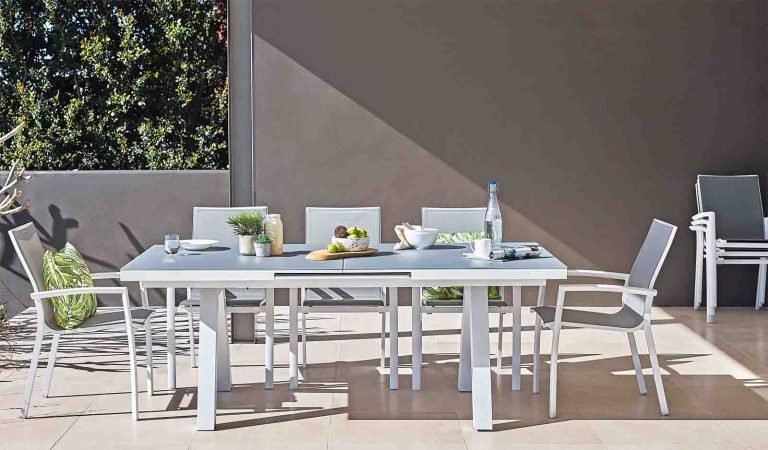
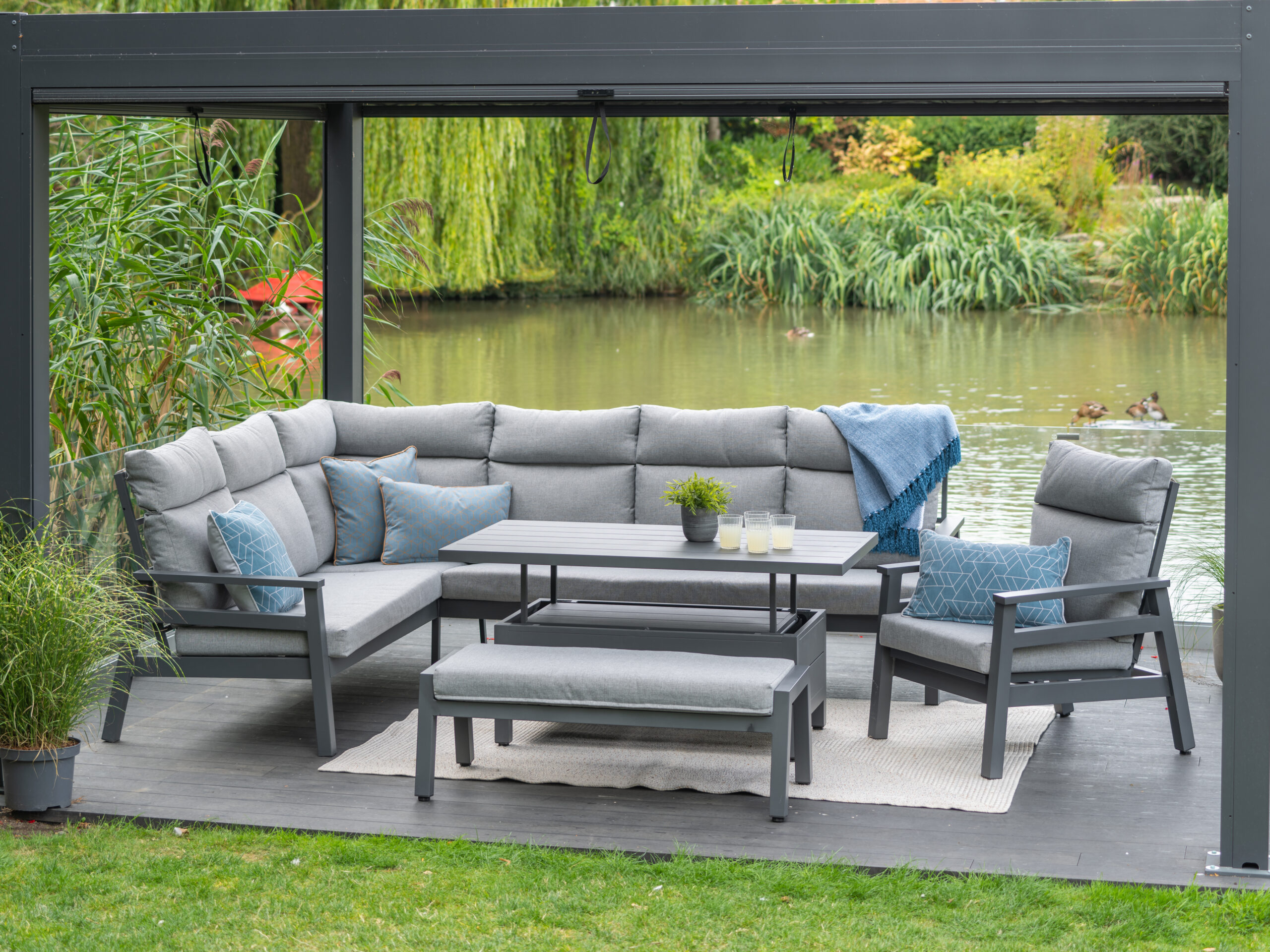
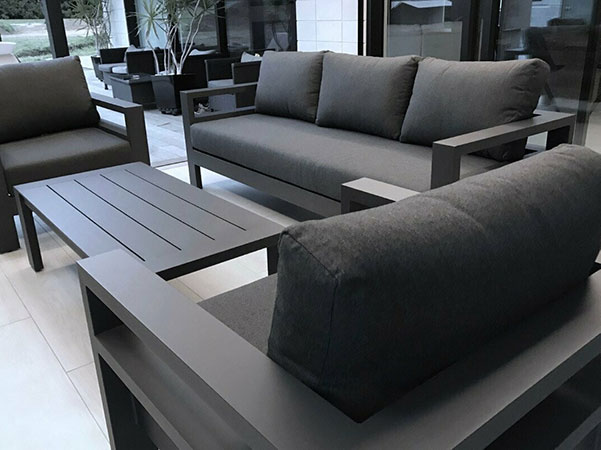
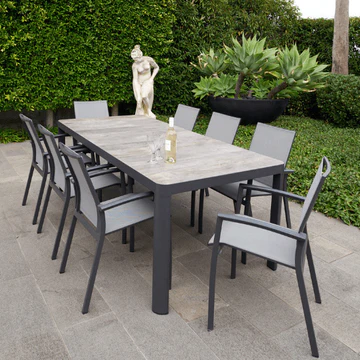
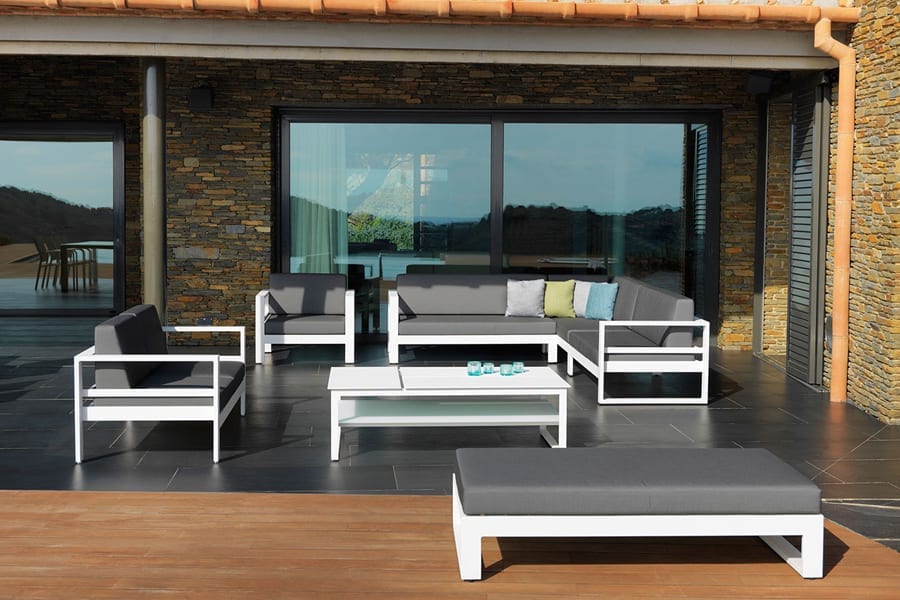
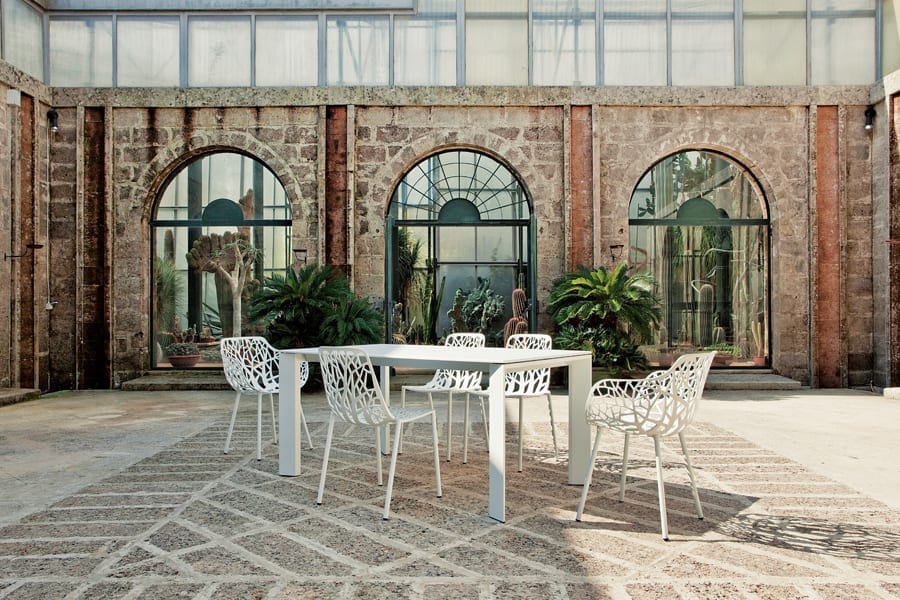
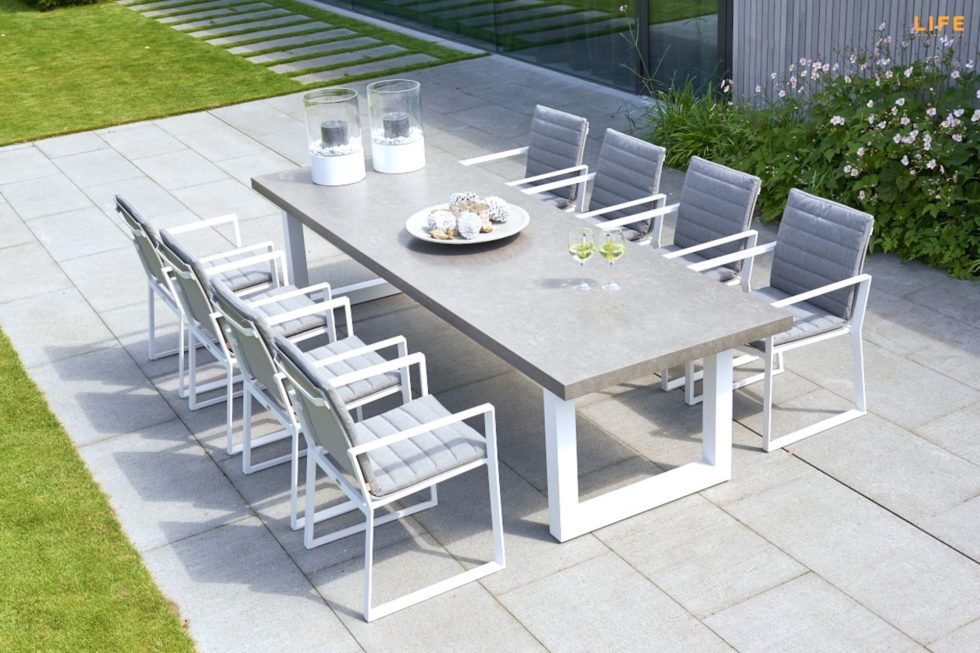
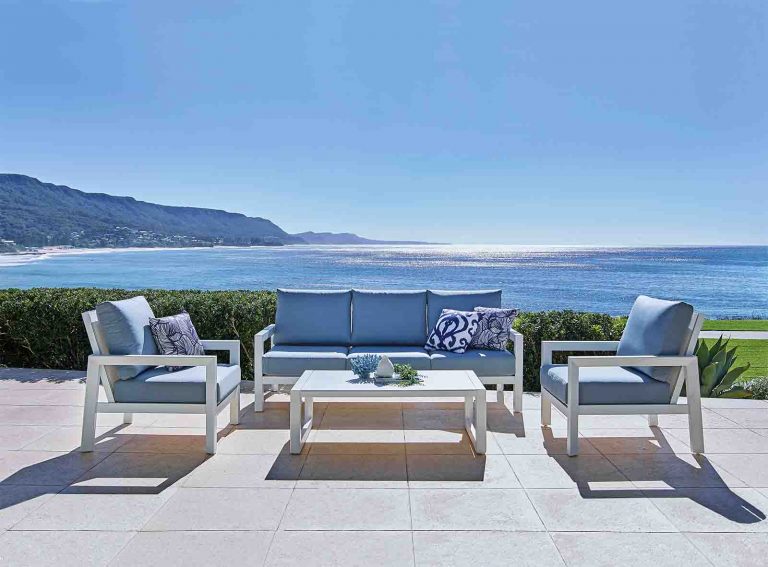
.webp)
.webp)
.webp)


.webp)
.webp)