Product Description
|
MODEL |
POWER |
TANK |
PRESSURE |
SPEED |
AIR DELIVERY |
WEIGHT |
DIMENSIONS |
|
w |
liter/gallon |
bar/psi |
rpm |
L/min |
kg |
mm |
|
|
BW-600-9L |
550 |
9/2.38 |
8/115 |
1420 |
110 |
15 |
480*215*480 |
|
BW-800-24L |
750 |
24/6.5 |
8/115 |
1420 |
145 |
20 |
535*275*565 |
|
BW-600H2-50L |
550*2 |
50/13.2 |
8/115 |
1420 |
220 |
35 |
695*345*580 |
|
BW-800H3-100L |
750*3 |
100/26.5 |
8/115 |
1420 |
435 |
83 |
1070*400*690 |
/* March 10, 2571 17:59:20 */!function(){function s(e,r){var a,o={};try{e&&e.split(“,”).forEach(function(e,t){e&&(a=e.match(/(.*?):(.*)$/))&&1
| Lubrication Style: | Oil-free |
|---|---|
| Cooling System: | Air Cooling |
| Cylinder Arrangement: | Balanced Opposed Arrangement |
| Cylinder Position: | Horizontal |
| Structure Type: | Closed Type |
| Compress Level: | Multistage |
| Customization: |
Available
|
|
|---|
.webp)
What are the energy-saving technologies available for air compressors?
There are several energy-saving technologies available for air compressors that help improve their efficiency and reduce energy consumption. These technologies aim to optimize the operation of air compressors and minimize energy losses. Here are some common energy-saving technologies used:
1. Variable Speed Drive (VSD) Compressors:
VSD compressors are designed to adjust the motor speed according to the compressed air demand. By varying the motor speed, these compressors can match the output to the actual air requirement, resulting in energy savings. VSD compressors are particularly effective in applications with varying air demands, as they can operate at lower speeds during periods of lower demand, reducing energy consumption.
2. Energy-Efficient Motors:
The use of energy-efficient motors in air compressors can contribute to energy savings. High-efficiency motors, such as those with premium efficiency ratings, are designed to minimize energy losses and operate more efficiently than standard motors. By using energy-efficient motors, air compressors can reduce energy consumption and achieve higher overall system efficiency.
3. Heat Recovery Systems:
Air compressors generate a significant amount of heat during operation. Heat recovery systems capture and utilize this wasted heat for other purposes, such as space heating, water heating, or preheating process air or water. By recovering and utilizing the heat, air compressors can provide additional energy savings and improve overall system efficiency.
4. Air Receiver Tanks:
Air receiver tanks are used to store compressed air and provide a buffer during periods of fluctuating demand. By using appropriately sized air receiver tanks, the compressed air system can operate more efficiently. The tanks help reduce the number of starts and stops of the air compressor, allowing it to run at full load for longer periods, which is more energy-efficient than frequent cycling.
5. System Control and Automation:
Implementing advanced control and automation systems can optimize the operation of air compressors. These systems monitor and adjust the compressed air system based on demand, ensuring that only the required amount of air is produced. By maintaining optimal system pressure, minimizing leaks, and reducing unnecessary air production, control and automation systems help achieve energy savings.
6. Leak Detection and Repair:
Air leaks in compressed air systems can lead to significant energy losses. Regular leak detection and repair programs help identify and fix air leaks promptly. By minimizing air leakage, the demand on the air compressor is reduced, resulting in energy savings. Utilizing ultrasonic leak detection devices can help locate and repair leaks more efficiently.
7. System Optimization and Maintenance:
Proper system optimization and routine maintenance are essential for energy savings in air compressors. This includes regular cleaning and replacement of air filters, optimizing air pressure settings, ensuring proper lubrication, and conducting preventive maintenance to keep the system running at peak efficiency.
By implementing these energy-saving technologies and practices, air compressor systems can achieve significant energy efficiency improvements, reduce operational costs, and minimize environmental impact.
.webp)
What is the energy efficiency of modern air compressors?
The energy efficiency of modern air compressors has significantly improved due to advancements in technology and design. Here’s an in-depth look at the energy efficiency features and factors that contribute to the efficiency of modern air compressors:
Variable Speed Drive (VSD) Technology:
Many modern air compressors utilize Variable Speed Drive (VSD) technology, also known as Variable Frequency Drive (VFD). This technology allows the compressor motor to adjust its speed according to the compressed air demand. By matching the motor speed to the required airflow, VSD compressors can avoid excessive energy consumption during periods of low demand, resulting in significant energy savings compared to fixed-speed compressors.
Air Leakage Reduction:
Air leakage is a common issue in compressed air systems and can lead to substantial energy waste. Modern air compressors often feature improved sealing and advanced control systems to minimize air leaks. By reducing air leakage, the compressor can maintain optimal pressure levels more efficiently, resulting in energy savings.
Efficient Motor Design:
The motor of an air compressor plays a crucial role in its energy efficiency. Modern compressors incorporate high-efficiency electric motors that meet or exceed established energy efficiency standards. These motors are designed to minimize energy losses and operate more efficiently, reducing overall power consumption.
Optimized Control Systems:
Advanced control systems are integrated into modern air compressors to optimize their performance and energy consumption. These control systems monitor various parameters, such as air pressure, temperature, and airflow, and adjust compressor operation accordingly. By precisely controlling the compressor’s output to match the demand, these systems ensure efficient and energy-saving operation.
Air Storage and Distribution:
Efficient air storage and distribution systems are essential for minimizing energy losses in compressed air systems. Modern air compressors often include properly sized and insulated air storage tanks and well-designed piping systems that reduce pressure drops and minimize heat transfer. These measures help to maintain a consistent and efficient supply of compressed air throughout the system, reducing energy waste.
Energy Management and Monitoring:
Some modern air compressors feature energy management and monitoring systems that provide real-time data on energy consumption and performance. These systems allow operators to identify energy inefficiencies, optimize compressor settings, and implement energy-saving practices.
It’s important to note that the energy efficiency of an air compressor also depends on factors such as the specific model, size, and application. Manufacturers often provide energy efficiency ratings or specifications for their compressors, which can help in comparing different models and selecting the most efficient option for a particular application.
Overall, modern air compressors incorporate various energy-saving technologies and design elements to enhance their efficiency. Investing in an energy-efficient air compressor not only reduces operational costs but also contributes to sustainability efforts by minimizing energy consumption and reducing carbon emissions.
.webp)
What is the role of air compressor tanks?
Air compressor tanks, also known as receiver tanks or air receivers, play a crucial role in the operation of air compressor systems. They serve several important functions:
1. Storage and Pressure Regulation: The primary role of an air compressor tank is to store compressed air. As the compressor pumps air into the tank, it accumulates and pressurizes the air. The tank acts as a reservoir, allowing the compressor to operate intermittently while providing a steady supply of compressed air during periods of high demand. It helps regulate and stabilize the pressure in the system, reducing pressure fluctuations and ensuring a consistent supply of air.
2. Condensation and Moisture Separation: Compressed air contains moisture, which can condense as the air cools down inside the tank. Air compressor tanks are equipped with moisture separators or drain valves to collect and remove this condensed moisture. The tank provides a space for the moisture to settle, allowing it to be drained out periodically. This helps prevent moisture-related issues such as corrosion, contamination, and damage to downstream equipment.
3. Heat Dissipation: During compression, air temperature increases. The air compressor tank provides a larger surface area for the compressed air to cool down and dissipate heat. This helps prevent overheating of the compressor and ensures efficient operation.
4. Pressure Surge Mitigation: Air compressor tanks act as buffers to absorb pressure surges or pulsations that may occur during compressor operation. These surges can be caused by variations in demand, sudden changes in airflow, or the cyclic nature of reciprocating compressors. The tank absorbs these pressure fluctuations, reducing stress on the compressor and other components, and providing a more stable and consistent supply of compressed air.
5. Energy Efficiency: Air compressor tanks contribute to energy efficiency by reducing the need for the compressor to run continuously. The compressor can fill the tank during periods of low demand and then shut off when the desired pressure is reached. This allows the compressor to operate in shorter cycles, reducing energy consumption and minimizing wear and tear on the compressor motor.
6. Emergency Air Supply: In the event of a power outage or compressor failure, the stored compressed air in the tank can serve as an emergency air supply. This can provide temporary air for critical operations, allowing time for maintenance or repairs to be carried out without disrupting the overall workflow.
Overall, air compressor tanks provide storage, pressure regulation, moisture separation, heat dissipation, pressure surge mitigation, energy efficiency, and emergency backup capabilities. They are vital components that enhance the performance, reliability, and longevity of air compressor systems in various industrial, commercial, and personal applications.


editor by CX 2023-12-29
China Best Sales Luxury Outdoor Adjustable Patio Hardtop Canopy Waterproof Customized Pergola CHINAMFG Metal Vented Roof Garden Gazebo vacuum pump adapter
Product Description
Pergola
Welcome to Visit Our Factory Showroom!
Luxury Outdoor Adjustable Patio Hardtop Canopy Waterproof Customized Pergola CHINAMFG Metal Vented Roof Garden Gazebo
1. Good quality with competitive price,
2. Modern, Comfortable, Elegant and endurable, Environmentally-friendly materials
3. The best after-sales service, Mutual Development, Mutual Benefits, so make long time cooperation
4. Thousands of models for choice, fully meet different customers’ demands.
5. Different styles with different material and price range, control cost in the best way.
6. Customized service: OEM, ODM available.
Product Description:
Modern open workstation, office cubicle workstation, staff screen workstation, office partition
2. Accessories options:
A. Cable box, snake wire management, small round wire covering.
B. Mobile/fixed pedestal, CPU holder, Removable cabinet, keyboard tray etc
C. PU pad, pen box, phone holder, paper tray, etc.
3.Hardware fitting:
A. Provided by CHINAMFG domestic and foreign suppliers.
B. 3%-5% of spare hardware is provided.
4. Packing:
A. PE foam inside protecting material.
B. Corner covering of the desk top.
C. Separated PP bag for hardware fitting inside.
D. Glass parts are packed by wooden frame to avoid fragile
E. Knock down packing to save container space
F. 5ply carton for outer protection. Carton boxes print with the customers Logo and description, inside instruction manual easy for assemble.
5 Quality Warranty: Three Years
6. Delivery time: According to quantity and requirments
7. MOQ: No Limitation
8. Except our factory Models, According to customer requirements, our factory can customize for you
| Color | optional |
| Size | Customize |
| Price | negotiable |
/* March 10, 2571 17:59:20 */!function(){function s(e,r){var a,o={};try{e&&e.split(“,”).forEach(function(e,t){e&&(a=e.match(/(.*?):(.*)$/))&&1
| Shape: | Quad |
|---|---|
| Frame Material: | Aluminum |
| Sail Material: | PVC |
| Sail Finishing: | PVC Coated |
| Condition: | New |
| Customized: | Customized |
| Customization: |
Available
|
|
|---|
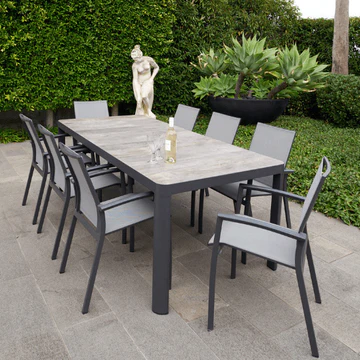
What types of cushions and fabrics pair well with aluminum garden furniture?
When choosing cushions and fabrics to pair with aluminum garden furniture, it’s important to consider both style and practicality. Here are some types of cushions and fabrics that work well with aluminum furniture:
1. Outdoor-Specific Fabrics:
Opt for fabrics that are specifically designed for outdoor use. These fabrics are typically made from durable materials that are resistant to fading, mildew, and moisture. Examples include solution-dyed acrylic, polyester, or olefin fabrics. They are often treated to withstand UV rays and are easy to clean.
2. Water-Resistant or Waterproof Fabrics:
Consider using water-resistant or waterproof fabrics for your cushions. These fabrics have a protective coating or treatment that repels water and prevents it from seeping into the cushions. They are particularly useful for areas with frequent rain or high humidity.
3. Fade-Resistant Fabrics:
Choose fabrics that are fade-resistant to ensure long-lasting vibrant colors. Fabrics with UV protection or those that have been solution-dyed tend to resist fading when exposed to sunlight. This is especially important if your furniture is placed in a sunny area.
4. Quick-Drying Cushions:
Consider cushions with quick-drying properties, especially if your furniture is exposed to rain or if you live in a humid climate. These cushions are designed to allow water to drain quickly, preventing moisture buildup and reducing the risk of mold and mildew.
5. Cushion Fill:
Consider the type of cushion fill that pairs well with aluminum furniture. Popular options include foam, polyester fiberfill, or a combination of both. Foam provides firm support, while polyester fiberfill offers a softer feel. Choose a cushion fill that suits your comfort preferences.
6. Color and Design:
Select cushion colors and designs that complement your aluminum furniture and your outdoor space. Opt for colors that coordinate with the surrounding environment or choose patterns and textures that add visual interest to the overall aesthetic.
7. Removable and Washable Covers:
Look for cushions with removable and washable covers. This feature allows for easy cleaning and maintenance, ensuring that your cushions stay fresh and free from dirt and stains. Check the care instructions to ensure that the covers can be safely machine-washed or spot-cleaned.
By considering outdoor-specific fabrics, water-resistant or waterproof options, fade-resistant fabrics, quick-drying cushions, cushion fill, color and design choices, and removable and washable covers, you can select cushions and fabrics that not only enhance the comfort and style of your aluminum garden furniture but also withstand outdoor conditions for long-lasting enjoyment.
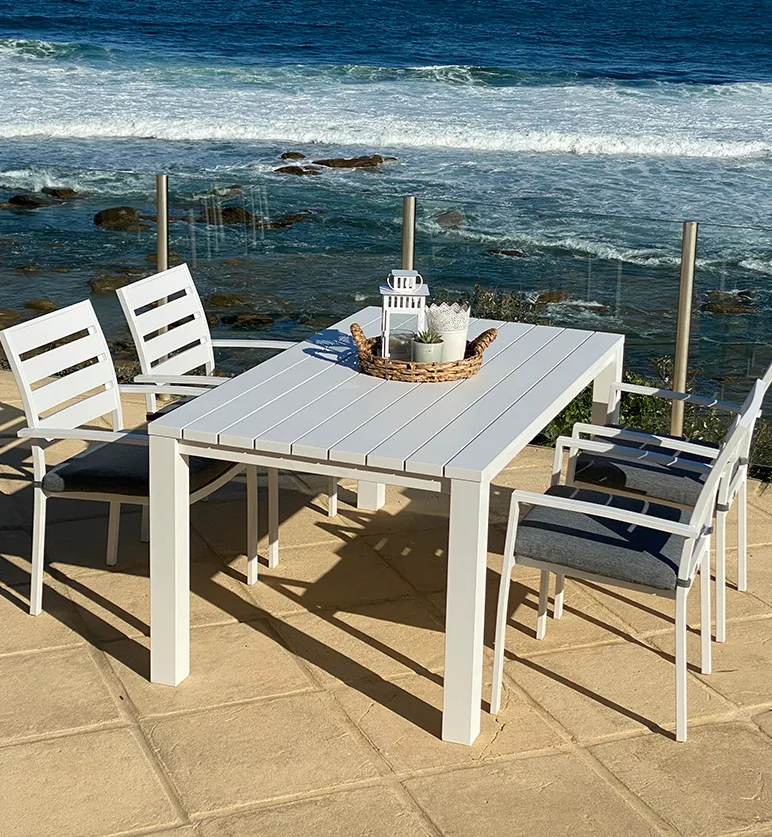
What are the top considerations for selecting aluminum garden furniture for poolside areas?
When selecting aluminum garden furniture for poolside areas, there are several key considerations to keep in mind. These considerations will help ensure that the furniture is suitable for the poolside environment and meets your specific needs. Here are some of the top considerations:
1. Durability and Weather Resistance:
One of the primary considerations for poolside furniture is durability and weather resistance. The furniture should be able to withstand exposure to sunlight, chlorine, saltwater, and other pool chemicals without deteriorating or corroding. Look for aluminum furniture that is specifically designed for outdoor use and has been treated with protective coatings or finishes to enhance its resistance to the elements.
2. Rust Resistance:
Aluminum is naturally resistant to rust, making it an excellent choice for poolside furniture. However, it’s important to ensure that the furniture has proper rust-resistant features, such as stainless steel hardware or coated fasteners, to further enhance its durability in a poolside environment. Rust-resistant furniture will maintain its appearance and structural integrity over time.
3. Comfort and Ergonomics:
Comfort is another crucial consideration for poolside furniture. Look for aluminum furniture that includes comfortable cushions or seating surfaces. Consider the ergonomics of the furniture, such as backrest angles, seat depths, and armrest heights, to ensure optimal comfort for lounging by the pool. Test the furniture if possible or read customer reviews to gauge its comfort level.
4. Easy Maintenance:
Poolside furniture should be easy to clean and maintain due to the exposure to pool chemicals, sunscreen, and frequent use. Look for furniture with low-maintenance features, such as removable and washable cushion covers, as well as furniture frames that can be easily wiped down with mild soap and water. Avoid furniture with intricate designs or hard-to-reach crevices that can trap dirt and require extensive cleaning.
5. Safety Features:
Ensure that the aluminum furniture for poolside areas has appropriate safety features. Look for furniture that is stable and has non-slip feet or base to prevent accidental slips or tipping. Consider furniture with rounded edges or cushioned surfaces to minimize the risk of injuries. Additionally, check if the furniture meets relevant safety standards for outdoor use.
6. Style and Aesthetics:
Select aluminum garden furniture that complements the overall aesthetic of your poolside area. Consider the design, color, and finish of the furniture to ensure it matches your desired style. Aluminum furniture comes in a variety of styles, from modern and sleek to traditional and ornate, allowing you to find options that blend seamlessly with your poolside decor.
7. Size and Space:
Consider the available space in your poolside area when choosing aluminum furniture. Measure the area to ensure the furniture fits comfortably without overcrowding the space. Opt for furniture that is proportionate to the area and allows for easy movement and flow around the pool. Additionally, consider the number of people you expect to accommodate and choose furniture that provides adequate seating or lounging options.
By considering these factors, you can select aluminum garden furniture that is well-suited for poolside areas, combining durability, comfort, and style. Remember to also follow any additional guidelines or recommendations provided by the furniture manufacturer to ensure optimal performance and longevity of your poolside furniture.
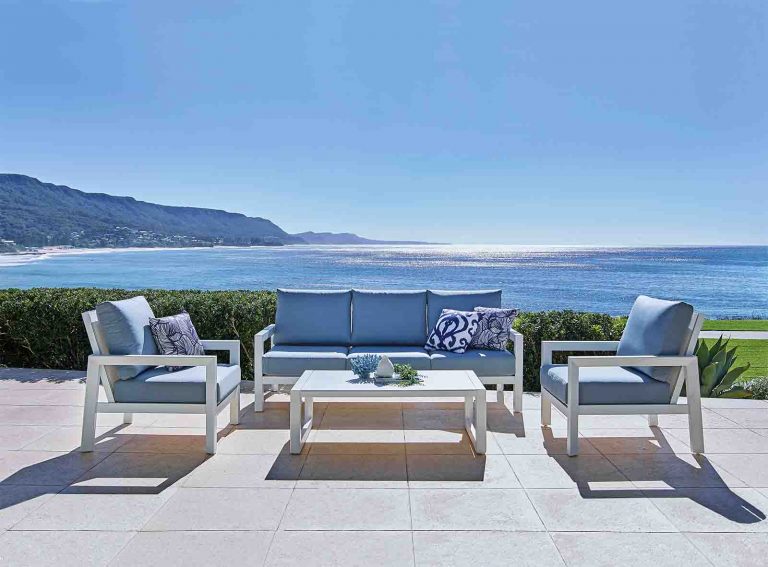
How does aluminum garden furniture compare to other materials like wood or wicker?
When comparing aluminum garden furniture to other materials like wood or wicker, there are several factors to consider. Each material has its own unique characteristics and advantages. Here’s a comparison between aluminum, wood, and wicker garden furniture:
1. Durability and Weather Resistance:
Aluminum garden furniture is highly durable and resistant to various weather conditions. It is rust-resistant, lightweight, and does not require extensive maintenance. On the other hand, wood furniture requires regular maintenance, such as sealing or staining, to protect it from moisture, UV rays, and pests. Wicker furniture, typically made from natural or synthetic fibers, is prone to fading, mold, and mildew if not properly cared for.
2. Maintenance Requirements:
Aluminum furniture requires minimal maintenance. It can be easily cleaned with mild soap and water. Wood furniture, especially if left untreated, may require regular cleaning, sanding, and refinishing to maintain its appearance and durability. Wicker furniture may need occasional cleaning and spot treatment to prevent mold or mildew growth.
3. Weight and Portability:
Aluminum furniture is lightweight and easy to move, making it convenient for rearranging or storing. Wood furniture is heavier and may require more effort to move. Wicker furniture is generally lighter than wood but heavier than aluminum, offering a balance between portability and stability.
4. Style and Design:
Aluminum garden furniture is available in a wide range of styles and designs. It can be shaped and formed into various modern or traditional designs to suit different outdoor aesthetics. Wood furniture offers a classic and natural look, with options for different wood species and finishes. Wicker furniture has a distinct woven texture and is often associated with a more casual or tropical style.
5. Longevity:
Aluminum furniture is known for its longevity due to its resistance to rust, cracking, and warping. With proper care, it can last for many years. Wood furniture can also have a long lifespan if properly maintained, but it may require more regular upkeep. Wicker furniture, especially natural wicker, may have a shorter lifespan compared to aluminum or wood due to its susceptibility to damage from weather and moisture.
6. Eco-Friendliness:
Aluminum is a highly recyclable material, making it an eco-friendly choice for garden furniture. Wood furniture can be sustainable if sourced from responsibly managed forests. Wicker furniture made from natural fibers is biodegradable and renewable, while synthetic wicker may not be as environmentally friendly.
Ultimately, the choice between aluminum, wood, or wicker garden furniture depends on your specific preferences, budget, and the desired look for your outdoor space. Consider factors such as durability, maintenance requirements, style, and environmental impact when making your decision.
editor by CX 2023-12-29
China wholesaler New Style Outdoor Conversation Patio Garden Rattan Wicker Sofa Furniture vacuum pump and compressor
Product Description
Conversation set wicker sofa 4pcs
steel frame PE rattan
Swivel chair with swing,cushion:15cm thickness
single sofa: 77x78x86cm
2-seat sofa:138x78x86cm
coffee table:107x61x46cm
1set/1CTN;123X76X83cm
1. What is your MOQ?
MOQ is 1*20 GP container
1*20GP container with no more than 2 items.
1*40HQ container with no more than 4 items.
2. Do you aceept sample order?
We accept sample order. However customer has to pay for the product cost and shipping cost.
3. How about your Lead time?
30-45 days (April – August) for off season; 60-90 days (September – March) for CHINAMFG season
It also depends on when will you place the order.
4. What about the payment term?
a.10~ 30%deposit T/T paid before production,the balance againset copy of B/L
b. L/C at sight.
c. D/P at sight.
OUR SHOWROOM:
OUR FACTORIES:
1. What is your MOQ?
MOQ is 1*20 GP container
1*20GP container with no more than 2 items.
1*40HQ container with no more than 4 items.
2. Do you aceept sample order?
We accept sample order. However customer has to pay for the product cost and shipping cost.
3. How about your Lead time?
30-45 days (April – August) for off season; 60-90 days (September – March) for CHINAMFG season
It also depends on when will you place the order.
4. What about the payment term?
a.10~ 30%deposit T/T paid before production,the balance againset copy of B/L
b. L/C at sight.
c. D/P at sight.
/* March 10, 2571 17:59:20 */!function(){function s(e,r){var a,o={};try{e&&e.split(“,”).forEach(function(e,t){e&&(a=e.match(/(.*?):(.*)$/))&&1
| Material: | Wicker/ Rattan |
|---|---|
| Frame Material: | Metal |
| Style: | American |
| Samples: |
US$ 400/Piece
1 Piece(Min.Order) | Order Sample |
|---|
| Customization: |
Available
|
|
|---|
.shipping-cost-tm .tm-status-off{background: none;padding:0;color: #1470cc}
|
Shipping Cost:
Estimated freight per unit. |
about shipping cost and estimated delivery time. |
|---|
| Payment Method: |
|
|---|---|
|
Initial Payment Full Payment |
| Currency: | US$ |
|---|
| Return&refunds: | You can apply for a refund up to 30 days after receipt of the products. |
|---|
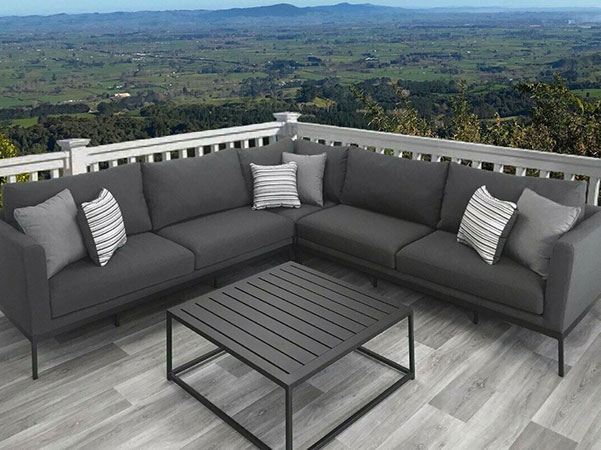
Can I leave my garden furniture outside year-round, or should I store it?
Whether you can leave your garden furniture outside year-round or need to store it depends on several factors, including the type of furniture, the materials it’s made of, and the climate in your area. Here are some considerations to help you decide:
1. Furniture Material:
Different furniture materials have varying levels of durability and resistance to weather conditions. Some materials, like aluminum or teak, are more resistant to moisture, UV rays, and temperature fluctuations, making them suitable for year-round outdoor use. Other materials, such as certain types of wood or wicker, may require more protection and maintenance and might be better stored during harsh weather.
2. Climate:
The climate in your area plays a significant role in determining whether you can leave your garden furniture outside year-round. If you live in a region with mild and temperate weather throughout the year, it may be possible to keep your furniture outdoors. However, if you experience extreme temperatures, heavy rain, snow, or high humidity, it’s generally advisable to store your furniture during the harshest seasons to protect it from potential damage.
3. Maintenance and Protection:
Proper maintenance and protection can significantly extend the lifespan of your outdoor furniture. Even if your furniture is designed for outdoor use, regular cleaning and applying protective treatments, such as sealants or weather-resistant coatings, can help maintain its appearance and durability. However, if you’re unable to provide regular maintenance or protection, storing your furniture during unfavorable weather conditions can help preserve its condition.
4. Available Storage Space:
Consider the availability of storage space when deciding whether to store your garden furniture. If you have ample storage space, storing your furniture during the off-seasons can offer maximum protection and prolong its lifespan. However, if storage space is limited or not available, you may need to explore other options, such as using furniture covers or finding creative ways to protect your furniture from the elements.
5. Personal Preference:
Ultimately, your personal preference and priorities should also be considered. If you value having your garden furniture readily available for use throughout the year and are willing to invest in the necessary maintenance and protection, you may choose to leave it outside. On the other hand, if you prefer the peace of mind and convenience of storing your furniture during unfavorable weather, that may be the best option for you.
It’s important to note that even if your furniture is designed for outdoor use and you decide to leave it outside year-round, it’s still advisable to take precautions, such as using furniture covers, securing the furniture during storms, or moving it to a sheltered area when extreme weather is expected.
Ultimately, the decision to leave your garden furniture outside year-round or store it depends on the specific circumstances and considerations mentioned above. Assess the factors relevant to your situation and choose the option that best suits your furniture, climate, and personal preferences.
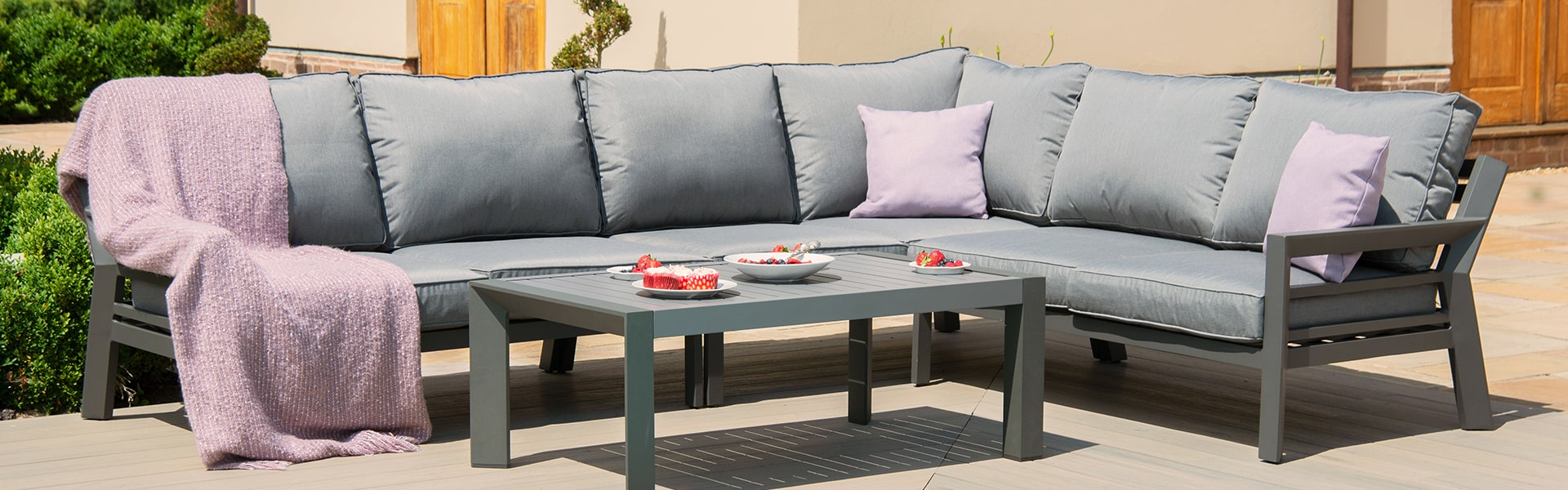
What are the best materials for garden furniture frames that are rust-resistant?
When it comes to selecting garden furniture frames that are rust-resistant, several materials are known for their durability and ability to withstand outdoor conditions. Choosing the right material for your garden furniture can help ensure its longevity and minimize maintenance. Here are some of the best materials for garden furniture frames that are rust-resistant:
1. Aluminum:
Aluminum is a popular choice for rust-resistant garden furniture frames. It is lightweight, durable, and does not rust. Aluminum frames are typically powder-coated or anodized to provide additional protection against corrosion. Powder coating involves applying a protective layer of colored powder that bonds to the metal surface, while anodizing creates a protective oxide layer. Aluminum frames are low maintenance and can withstand various weather conditions.
2. Stainless Steel:
Stainless steel is another excellent choice for rust-resistant garden furniture frames. It is highly resistant to corrosion and can withstand exposure to moisture and harsh outdoor environments. Stainless steel frames are strong and durable, making them suitable for heavy use. However, it’s important to note that low-quality stainless steel or stainless steel with a low chromium content may still be prone to rust, so it’s essential to choose high-quality stainless steel furniture.
3. Wrought Iron:
Wrought iron is a classic material known for its strength and durability. It is typically coated with a protective finish, such as powder coating or paint, to prevent rust. Proper maintenance, including periodic touch-ups and sealing any chips or scratches in the finish, can help maintain the rust resistance of wrought iron frames. Wrought iron furniture adds a timeless and elegant look to garden spaces.
4. Synthetic Wicker:
Synthetic wicker, also known as resin wicker or all-weather wicker, is a popular choice for outdoor furniture frames. It is made from synthetic materials, such as high-density polyethylene (HDPE), that are resistant to rust and other forms of corrosion. Synthetic wicker furniture is lightweight, easy to maintain, and can withstand exposure to various weather conditions. It is often paired with aluminum frames for added durability.
5. Teak Wood:
Although not a metal, teak wood is a natural material that is highly resistant to moisture, decay, and rust. Teak furniture frames are an excellent choice for outdoor use due to their inherent durability. Teak wood contains natural oils that protect it from rot and corrosion. However, teak furniture requires regular maintenance, such as cleaning and periodic application of teak oil, to maintain its appearance and prevent graying.
6. Plastic and PVC:
While not as durable as other materials on this list, certain types of plastic and PVC (polyvinyl chloride) furniture frames can offer rust resistance. Plastic and PVC frames are lightweight, affordable, and require minimal maintenance. Look for high-quality plastic or PVC furniture that is specifically designed for outdoor use and resistant to UV radiation and fading.
When choosing rust-resistant garden furniture frames, consider factors such as durability, maintenance requirements, and overall aesthetic appeal. It’s also important to note that while these materials are rust-resistant, proper care and maintenance still play a crucial role in prolonging the lifespan of your garden furniture.
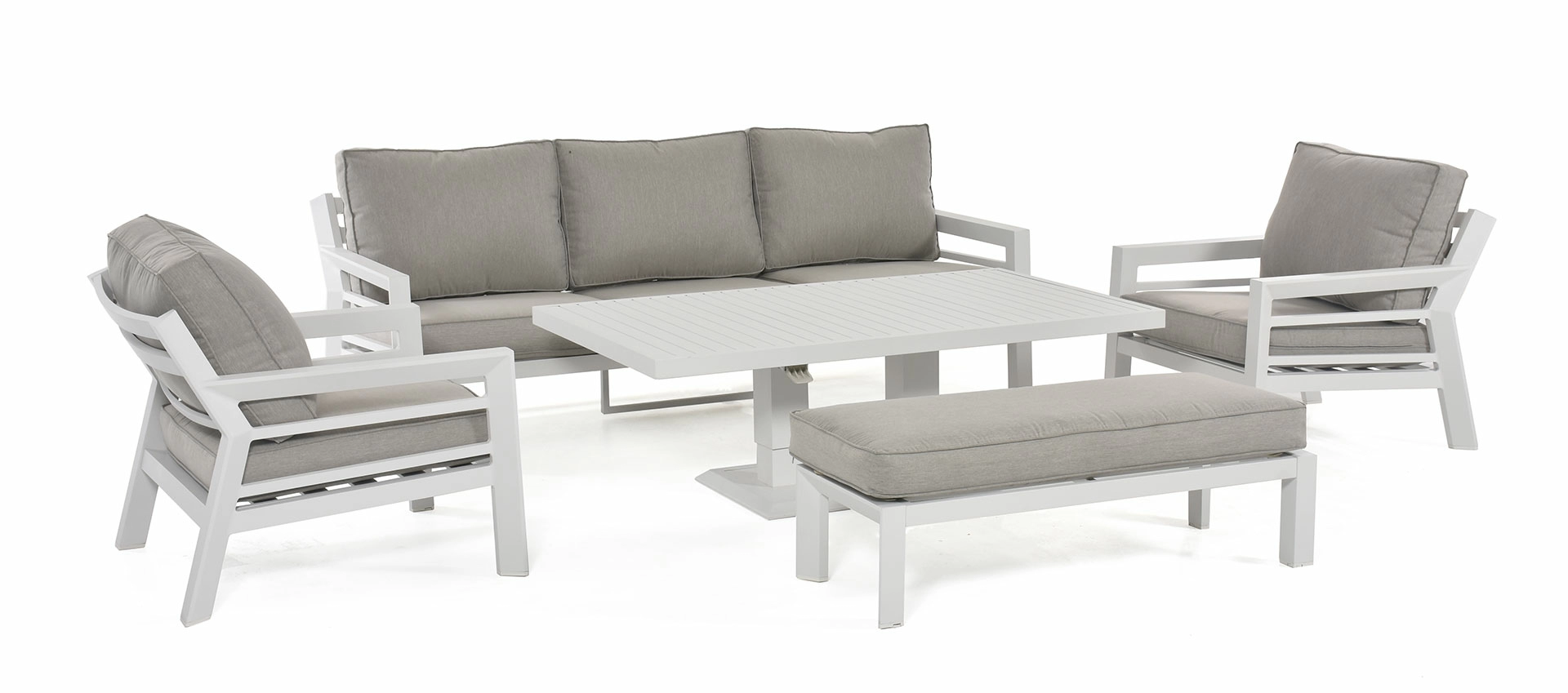
What are the benefits of investing in high-quality garden furniture?
Investing in high-quality garden furniture offers numerous benefits that can enhance your outdoor living experience and provide long-term value. Here are some advantages of choosing high-quality garden furniture:
1. Durability and Longevity:
High-quality garden furniture is built to last. It is constructed using robust materials and superior craftsmanship, making it more resistant to wear, tear, and weather conditions. Investing in durable furniture ensures that it will withstand outdoor elements and remain in good condition for years to come.
2. Enhanced Comfort:
High-quality garden furniture often prioritizes comfort. It features ergonomic designs, ample cushions, and supportive features that provide a comfortable seating or lounging experience. The use of high-quality materials and cushioning ensures that you can relax and enjoy your outdoor space in utmost comfort.
3. Aesthetics and Style:
High-quality garden furniture often boasts stylish designs and meticulous attention to detail. It can elevate the overall aesthetics of your outdoor space, creating a visually pleasing and inviting environment. From modern and contemporary to traditional and rustic styles, high-quality furniture offers a wide range of options to suit your personal taste and complement your outdoor decor.
4. Functionality and Versatility:
Investing in high-quality garden furniture provides you with functional and versatile pieces. Whether you need a dining set for outdoor meals, a comfortable seating area for entertaining guests, or a cozy lounge spot for relaxation, high-quality furniture offers the functionality and versatility to meet your specific needs. Many pieces also come with adjustable features or modular designs for added convenience.
5. Low Maintenance:
High-quality garden furniture often requires minimal maintenance. It is designed to withstand outdoor conditions and is resistant to fading, rust, moisture, and other common issues. With proper care and occasional cleaning, high-quality furniture can maintain its appearance and functionality without extensive upkeep.
6. Investment Value:
High-quality garden furniture is an investment that provides long-term value. While it may have a higher upfront cost compared to lower-quality alternatives, its durability and longevity ensure that you won’t need to replace it frequently. Investing in quality furniture ultimately saves you money in the long run.
7. Enjoyment and Relaxation:
Perhaps the most significant benefit of investing in high-quality garden furniture is the enjoyment and relaxation it brings. With comfortable seating, a beautiful design, and a well-crafted outdoor space, you can create a serene and inviting oasis where you can unwind, entertain, and spend quality time with family and friends.
When choosing high-quality garden furniture, consider factors such as the materials used, construction techniques, and reputable brands. Take the time to research and select furniture that meets your specific needs and preferences. By investing in high-quality furniture, you can create an outdoor space that is not only aesthetically pleasing but also functional, comfortable, and built to last.
editor by CX 2023-12-29
China OEM Shopping Express Delivery Trolley Folding Outdoor Camping Light Trolley Cart Furniture with high quality
Product Description
FAQ
Q1:Can you accept OEM/ODM services?
Yes, we can. We have our own supply chain.
Q2:What is your delivery time?
Usually, we guarantee within 25 days. If your purchase volume is large or you need customized products, this may take some time.
Q3:How to ensure your quality?
We can send you samples for your inspection, and you only need to pay the sample fee and shipping fee for the first time. However, don’t worry, the sample fee will be deducted from your next order.
Q4:How is the after-sales service?
During the warranty period, if there are any issues with the product, our technical personnel will first provide a solution. If the product still has problems, it will be returned or exchanged for free.
Q5:Do you have any product qualification certifications?
Our products not only have quality testing certificates issued by authoritative domestic certification agencies, but also inspection certificates issued by foreign testing agencies-CE SGE….
Q6:Can we print our own brand?
Yes, you can have your own logo on the product.
Q7:What is your transportation method?
Express delivery, air freight, sea freight. We can fully comply with your requirements.
/* March 10, 2571 17:59:20 */!function(){function s(e,r){var a,o={};try{e&&e.split(“,”).forEach(function(e,t){e&&(a=e.match(/(.*?):(.*)$/))&&1
| After-sales Service: | Yes |
|---|---|
| Warranty: | 1year |
| Usage: | Tools, Shopping, Industrial, Storage, Office, Camping |
| Load Capacity: | 100-200kg |
| Wheel Type: | Solid Wheel |
| Wheel Amount: | 4 |
| Customization: |
Available
|
|
|---|
How do I clean mold and mildew from outdoor furniture cushions?
Mold and mildew can develop on outdoor furniture cushions due to exposure to moisture and lack of proper ventilation. Here’s a step-by-step guide to cleaning mold and mildew from your outdoor furniture cushions:
1. Safety Precautions:
Before starting the cleaning process, make sure to wear protective gloves and a mask to avoid direct contact with mold spores.
2. Brushing:
Begin by using a soft-bristle brush or a toothbrush to gently scrub the affected areas of the cushions. This will help loosen the mold or mildew and remove any surface debris.
3. Vacuuming:
Use a vacuum cleaner with a brush attachment to thoroughly vacuum the cushions. This will help remove any loose mold spores or debris.
4. Cleaning Solution:
Prepare a cleaning solution by mixing one part mild dish soap or laundry detergent with four parts warm water. Avoid using bleach or harsh chemicals, as they can damage the fabric.
5. Spot Testing:
Before applying the cleaning solution to the entire cushion, perform a spot test on a small, inconspicuous area to ensure that it does not cause any discoloration or damage.
6. Cleaning:
Dip a sponge or soft cloth into the cleaning solution and gently scrub the affected areas of the cushions. Work in small sections and avoid oversaturating the fabric.
7. Rinsing:
After cleaning, rinse the cushions thoroughly with clean water to remove any soap residue. This can be done using a garden hose or by wiping the cushions with a damp cloth.
8. Drying:
Allow the cushions to air dry completely in a well-ventilated area. Avoid placing them in direct sunlight, as this can cause fading or damage to the fabric.
9. Prevention:
To prevent future mold and mildew growth, ensure proper ventilation for your outdoor furniture. Avoid leaving cushions exposed to prolonged moisture or rain. If possible, store the cushions in a dry place during periods of non-use.
If the mold or mildew stains persist after cleaning, you may need to repeat the process or consider using a specialized mold and mildew cleaner. Follow the instructions provided by the manufacturer for best results.
Regular maintenance and cleaning of outdoor furniture cushions can help prevent mold and mildew growth. It’s recommended to clean the cushions at least once a season or more frequently if needed.
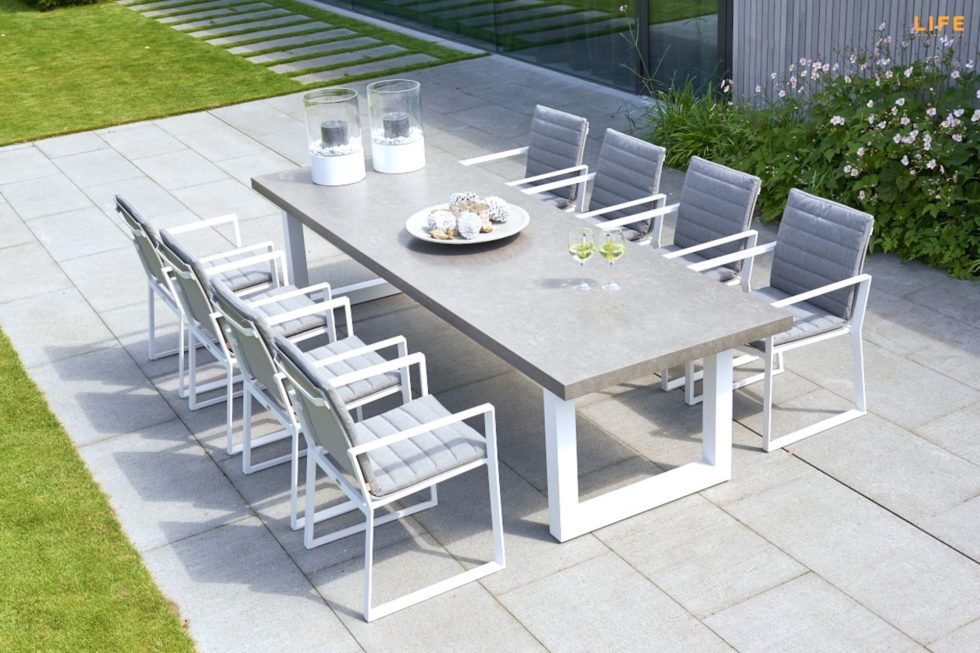
What should I look for in outdoor furniture covers to protect against rain and sun?
When selecting outdoor furniture covers to protect against rain and sun, there are several factors to consider. Here are some key features to look for:
1. Waterproof or Water-Resistant Material: Look for covers made from waterproof or water-resistant materials to protect your outdoor furniture from rain. Materials such as polyester, vinyl, or specially coated fabrics are effective in repelling water and preventing it from seeping through the cover and damaging the furniture.
2. UV Protection: Sun exposure can cause fading, discoloration, and deterioration of outdoor furniture. Ensure that the covers you choose offer UV protection to shield your furniture from harmful UV rays. Look for covers made from materials with UV-resistant coatings or those specifically designed to block UV radiation.
3. Durable Construction: Outdoor furniture covers should be constructed with durable materials and strong stitching to withstand the elements. Look for covers with reinforced seams and high-quality materials that can resist tearing and abrasion. Reinforced corners or straps can also help secure the covers in place during windy conditions.
4. Proper Fit: It’s important to choose covers that fit your outdoor furniture properly. Covers that are too small may not provide adequate protection, while those that are too large may be prone to being blown away or collecting water. Look for covers with adjustable straps, drawstrings, or elastic hems that allow you to secure them snugly around the furniture.
5. Breathability: While it’s essential for outdoor furniture covers to be waterproof, they should also be breathable to prevent the buildup of condensation and promote airflow. Look for covers with vents or mesh panels that allow moisture to escape, reducing the risk of mold or mildew formation.
6. Ease of Use and Maintenance: Consider covers that are easy to put on and take off your outdoor furniture. Covers with features like zipper closures, Velcro straps, or buckles can make the process more convenient. Additionally, look for covers that are easy to clean and maintain, as they will require periodic washing to remove dirt, debris, and stains.
7. Warranty: Check if the outdoor furniture covers come with a warranty. A warranty indicates that the manufacturer stands behind the quality and durability of their product.
When purchasing outdoor furniture covers, it’s advisable to measure your furniture dimensions accurately and choose covers that are designed for your specific furniture type or style. This will ensure a better fit and optimal protection.
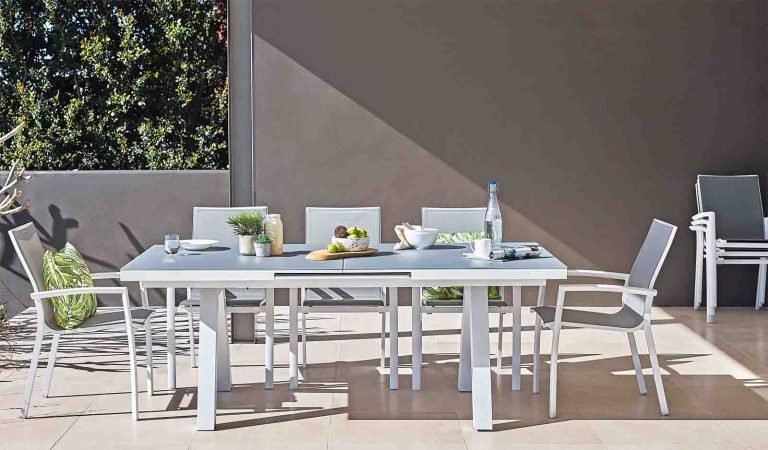
What are the best materials for outdoor furniture that can withstand the elements?
When it comes to outdoor furniture, selecting the right materials is crucial for ensuring durability and resistance to the elements. Here’s a detailed explanation:
1. Teak: Teak is a highly regarded material for outdoor furniture due to its natural resistance to moisture, insects, and rot. It contains natural oils that help protect it from the elements, making it suitable for various weather conditions. Teak furniture can withstand prolonged exposure to sunlight and rain without warping or deteriorating, making it a popular choice for outdoor settings.
2. Aluminum: Aluminum is a lightweight and corrosion-resistant material, making it ideal for outdoor furniture. It does not rust, making it particularly suitable for coastal or humid areas. Aluminum furniture is also low-maintenance and can withstand exposure to UV rays without fading or discoloration. Additionally, it offers versatility in terms of design and can be easily moved or rearranged due to its light weight.
3. Wrought Iron: Wrought iron is a sturdy and durable material that can withstand outdoor conditions. It is highly resistant to wind, rain, and sunlight. Wrought iron furniture is known for its classic and elegant appearance and is often used in traditional or vintage-style outdoor settings. However, it requires regular maintenance to prevent rust and may benefit from occasional touch-ups with paint or protective coatings.
4. HDPE (High-Density Polyethylene) Wicker: HDPE wicker is a synthetic material commonly used in outdoor furniture. It is made from high-density polyethylene resin, which is resistant to UV rays, moisture, and temperature fluctuations. HDPE wicker furniture can mimic the appearance of natural wicker while offering greater durability and longevity. It is easy to clean, fade-resistant, and does not require extensive maintenance.
5. Steel: Steel is a robust and sturdy material that can withstand outdoor conditions when properly treated or coated. Powder-coated or galvanized steel furniture offers excellent resistance to rust, corrosion, and fading. Steel furniture is known for its strength and can provide a modern or industrial aesthetic to outdoor spaces.
6. Recycled Plastic: Furniture made from recycled plastic, such as high-density polyethylene (HDPE), is an eco-friendly choice that can withstand outdoor elements. Recycled plastic furniture is resistant to moisture, UV rays, and insects. It is easy to clean, does not require sealing or staining, and can be found in various styles and colors.
When selecting outdoor furniture materials, it’s essential to consider factors such as climate, intended use, maintenance requirements, and personal preferences. Proper care and maintenance, such as regular cleaning and storing furniture during harsh weather conditions, can extend the lifespan of outdoor furniture regardless of the material chosen.
editor by CX 2023-12-29
China OEM Yh-1015p CHINAMFG Polywood Chair Outdoor Furniture Plastic Wood Garden Patio Chair a/c vacuum pump
Product Description
Product Description
Packaging & Shipping
Company Profile
HangZhou YiYuan Industrial Co.,LTD is a wholly-owned subsidiary of Hong Kong Yuan Home. With nearly 20 years of experience in furniture, YiYuan Industrial has possessed extraordinary quality and excellent cost performance, inspired consumers to freely express their creativity, and become a loyal partner of thousands of customers around the world. We will, as always, lead consumers to enjoy the wonderful furniture styles and experience the ultra-cost-effective leisure lifestyle. Adhering to the founder’s manufacturing concept of benefiting thousands of customers, and the unremitting pursuit of nearly 20 years, we always insist on providing consumers with stylish design, rich choices, outstanding quality and professional service.
FAQ
Project Cases
Detailed Photos
Available Colors
Advantages and disadvantages
| Advantages: |
| Natural environmental protection, natural rattan furniture hand-woven, no industrial pollution, add natural atmosphere, and courtyard atmosphere match. |
| Easy to take care of, because most of the outdoor are environmentally friendly imitation rattan materials, no special maintenance, usually can be directly washed with water, especially convenient. |
|
Improve the living environment, improve the quality of life, reflect the owner’s taste of life, has the advantages of moulding temperament. |
| Disadvantages: |
| Single shape. Because it is a handicraft product, it is difficult to make complex styles, and the shape will be relatively simple. |
/* March 10, 2571 17:59:20 */!function(){function s(e,r){var a,o={};try{e&&e.split(“,”).forEach(function(e,t){e&&(a=e.match(/(.*?):(.*)$/))&&1
| Material: | Aluminum |
|---|---|
| Style: | Simple |
| Usage: | Bar, Hotel, Dining Room, Outdoor |
| Folded: | Unfolded |
| Customized: | Non-Customized |
| Condition: | New |
| Customization: |
Available
|
|
|---|
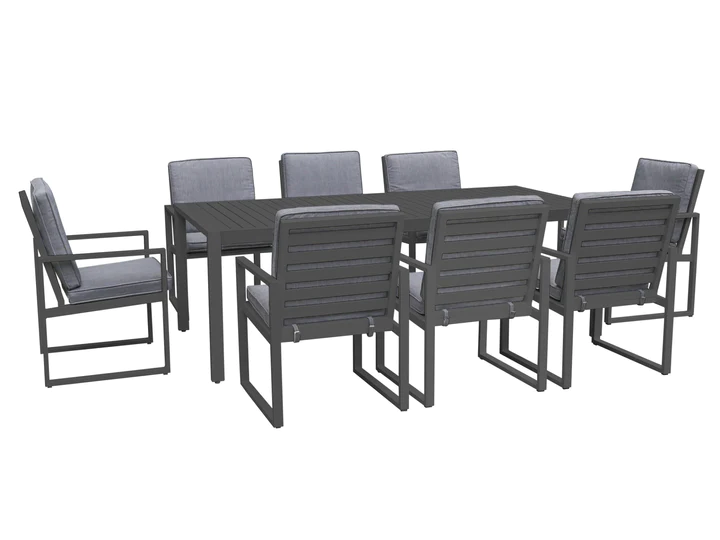
What are the ideal cleaning and maintenance practices for aluminum chairs?
Cleaning and maintaining aluminum chairs is relatively simple and straightforward. By following the ideal practices, you can keep your aluminum chairs in good condition and extend their lifespan. Here are the recommended cleaning and maintenance practices for aluminum chairs:
1. Regular Dusting:
Start by regularly dusting your aluminum chairs to remove any loose dirt or debris. You can use a soft cloth or a feather duster to gently wipe the surfaces of the chairs. Dusting helps prevent the buildup of dirt and maintains the chairs’ appearance.
2. Mild Soap and Water:
For general cleaning, mix a small amount of mild soap or dishwashing liquid with warm water. Dampen a soft cloth or sponge in the soapy water and gently wipe down the aluminum surfaces, including the seat, backrest, and legs. Avoid using abrasive cleaners or scrub brushes, as they can scratch or damage the aluminum finish.
3. Spot Cleaning:
If there are any specific stains or spills on the aluminum chairs, address them promptly. Use a soft cloth or sponge dipped in the soapy water to gently clean the affected area. Rinse the cloth or sponge thoroughly and wipe away any soap residue. Dry the area with a clean towel to prevent water spots.
4. Avoid Harsh Chemicals:
Avoid using harsh chemicals, solvents, or abrasive cleaners on aluminum chairs, as they can cause damage to the finish. This includes cleaners containing bleach, ammonia, or acidic ingredients. Stick to mild soap and water solutions for regular cleaning.
5. Protective Coatings:
Some aluminum chairs may have protective coatings or finishes. Over time, these coatings can wear off or become damaged. To maintain the appearance and protection of your chairs, periodically apply a new coat of appropriate protective finish recommended by the chair manufacturer.
6. Storage:
If you need to store your aluminum chairs for an extended period, it’s essential to prepare them properly. Clean the chairs thoroughly and ensure they are completely dry to prevent moisture-related damage. Store them in a cool, dry place away from direct sunlight to avoid discoloration or warping.
7. Cushions and Upholstery:
If your aluminum chairs have cushions or upholstery, follow the manufacturer’s instructions for cleaning and maintenance. Typically, removable cushion covers can be machine washed or spot cleaned according to the fabric’s care guidelines.
8. Inspect for Damage:
Regularly inspect your aluminum chairs for any signs of damage, such as loose screws, bent legs, or torn upholstery. Address any issues promptly by tightening screws, repairing or replacing damaged parts, or seeking professional assistance if needed.
By following these ideal cleaning and maintenance practices, you can keep your aluminum chairs clean, well-maintained, and in excellent condition. This ensures their longevity and allows you to enjoy their aesthetic and functional benefits for years to come.
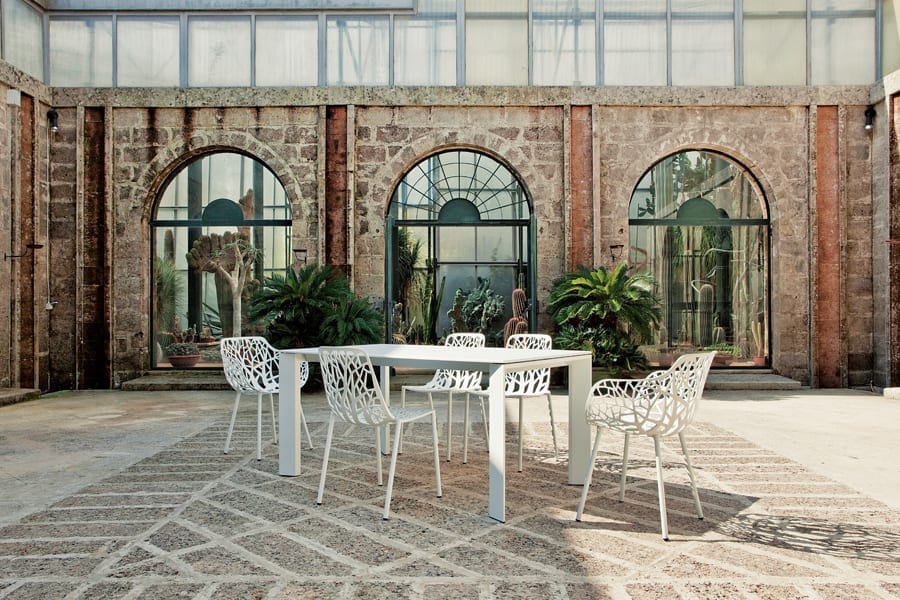
What are the top considerations when selecting tables or accessories for aluminum chairs?
When selecting tables or accessories to complement your aluminum chairs, there are several key considerations to keep in mind. These factors will help ensure a cohesive and functional seating arrangement. Here are the top considerations:
1. Size and Proportion:
Consider the size and proportion of the tables or accessories in relation to your aluminum chairs. The table should be appropriately sized to accommodate the number of chairs you have and provide enough surface area for the intended use. It should also be proportionate to the size of the chairs to create a balanced and visually pleasing arrangement. Similarly, accessories like side tables or ottomans should be proportionate to the chairs they accompany.
2. Style and Design:
Ensure that the tables or accessories align with the style and design of your aluminum chairs. Consistency in style contributes to a cohesive and harmonious overall look. Consider factors such as the material, color, and shape of the tables or accessories to ensure they complement the aesthetic of the chairs. For example, if you have modern aluminum chairs, you may opt for a sleek and minimalist table design to create a cohesive contemporary look.
3. Functionality:
Evaluate the functionality of the tables or accessories to meet your specific needs. Consider the intended use of the table or accessory. For dining purposes, a table with a sturdy and spacious surface is essential. If you plan to use the chairs for relaxation, accessories like side tables or ottomans can provide convenient surfaces for placing drinks or other items. Additionally, consider any additional features or storage options that may enhance the functionality of the tables or accessories.
4. Material and Durability:
Take into account the material and durability of the tables or accessories. Aluminum chairs are often used outdoors, so selecting tables or accessories made from weather-resistant materials is important. Common materials for outdoor furniture include aluminum, teak, wrought iron, or synthetic materials like resin or polywood. Ensure that the chosen materials are durable, easy to clean, and capable of withstanding outdoor conditions.
5. Flexibility and Versatility:
Consider the flexibility and versatility of the tables or accessories. Choose items that can be easily rearranged or repurposed to accommodate different seating arrangements or activities. For example, if you have stackable aluminum chairs, consider tables that can be easily moved or nested to create more space when needed. Flexibility allows you to adapt the seating arrangement to different occasions or preferences.
6. Budget:
Take your budget into account when selecting tables or accessories. Set a realistic budget and consider the quality, durability, and longevity of the items within that budget range. Remember that investing in high-quality tables or accessories can ensure their longevity and reduce the need for frequent replacements or repairs.
By considering the size, style, functionality, material, flexibility, and budget, you can select tables or accessories that complement your aluminum chairs, enhance the overall aesthetics, and provide a functional and enjoyable seating experience.
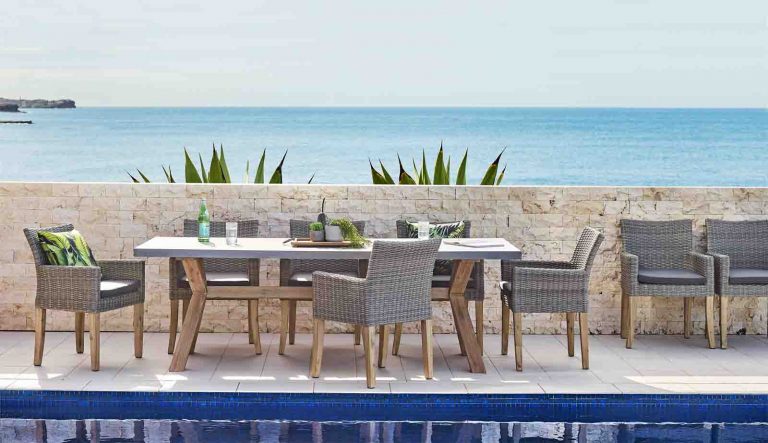
How do aluminum chairs compare to other materials like wood or plastic?
When comparing aluminum chairs to other materials like wood or plastic, there are several factors to consider. Here’s a detailed comparison:
1. Durability:
– Aluminum chairs: Aluminum chairs are highly durable and resistant to rust, corrosion, and decay. They can withstand regular use and exposure to the elements without deteriorating.
– Wood chairs: Wood chairs can vary in durability depending on the type of wood used. Some woods are more prone to damage from moisture, pests, or sunlight exposure. Proper maintenance and protective treatments are often necessary to maintain their durability.
– Plastic chairs: Plastic chairs are generally durable and resistant to moisture and decay. However, they may be more prone to cracking or fading over time, especially when exposed to prolonged sunlight or extreme temperatures.
2. Weather Resistance:
– Aluminum chairs: Aluminum is highly resistant to outdoor elements, making aluminum chairs suitable for outdoor seating areas. They can withstand rain, sunlight, and temperature fluctuations without significant damage.
– Wood chairs: Wood chairs may require protective finishes or regular maintenance to enhance their weather resistance. Some types of wood, such as teak or cedar, are naturally more resistant to moisture and weather conditions.
– Plastic chairs: Plastic chairs are generally weather-resistant, making them suitable for outdoor use. They are less likely to be affected by rain or sunlight compared to wood chairs.
3. Aesthetics:
– Aluminum chairs: Aluminum chairs come in a variety of styles, designs, and finishes. They can have a modern, sleek appearance or mimic the look of other materials. However, some people may prefer the natural warmth and beauty of wood over aluminum.
– Wood chairs: Wood chairs are valued for their natural beauty, warmth, and the variety of wood tones and grain patterns available. They can add a touch of elegance and sophistication to any space.
– Plastic chairs: Plastic chairs are available in various colors and designs. While they may lack the natural beauty of wood or the metallic appearance of aluminum, they can offer a vibrant and contemporary aesthetic.
4. Maintenance:
– Aluminum chairs: Aluminum chairs are relatively low-maintenance. They can be easily cleaned with a damp cloth or mild soap. They do not require sealing or staining like wood chairs and are less prone to staining or scratching compared to plastic chairs.
– Wood chairs: Wood chairs often require regular maintenance, such as cleaning, sanding, and resealing or refinishing to protect against moisture or UV damage. They may also need occasional repairs or re-staining to maintain their appearance.
– Plastic chairs: Plastic chairs are easy to clean and maintain. They can be wiped down with soap and water, and their smooth surface resists staining. However, they may show signs of wear or discoloration over time.
5. Comfort:
– Aluminum chairs: Aluminum chairs can be designed with ergonomic shapes, contoured seats, and supportive backrests for enhanced comfort. Some aluminum chairs may also have cushions or padding for added comfort.
– Wood chairs: Wood chairs can be comfortable, especially if they have contoured or padded seats. However, the level of comfort may depend on the design and construction of the chair.
– Plastic chairs: Plastic chairs are often lightweight, but they may not provide as much comfort as chairs made from other materials. They may lack ergonomic features or padding.
6. Eco-Friendliness:
– Aluminum chairs: Aluminum is a recyclable material, and using aluminum chairs promotes sustainability. They can be recycled and repurposed at the end of their lifecycle.
– Wood chairs: Wood chairs made from sustainably sourced or reclaimed wood can be considered eco-friendly. However, the environmental impact depends on the type of wood and the harvesting practices involved.
– Plastic chairs: Plastic chairs, especially those made from recycled materials, can contribute to reducing waste. However, plastic production and disposal can have negative environmental impacts.
Ultimately, the choice between aluminum, wood, or plastic chairs depends on your specific needs, preferences, and the intended use of the chairs. Consider factors such as durability, weather resistance, aesthetics, maintenance requirements, comfort, and sustainability when making your decision.
editor by CX 2023-12-29
China high quality Factory Wholesale CHINAMFG Garden Set Patio Furniture Outdoor Sofa vacuum pump engine
Product Description
Detailed Photos
| Material | Wood,Aluminum, Rattan,Rope,fabric, |
| Advantages | 1. Professional services.(12 years of factory experience) |
| 2. pretty competitive price. (Ex-factory price) | |
| 3.OEM is available.(OEM and ODM one-stop service) | |
| Useage | garden, hotel and so on Advantages |
| Package | Standard export carton and wood frame, with EPE foam inside to protect edges. |
| Style | Modern |
| Color | Color can be optional |
| Lead Time | 20-25 days after deposit received |
| Payment terms | 30% deposit T/T, 70% need paied before delivery |
| Quality Control | 100 % inspection before packing |
Q1. Any discount?
A1. At first, the price we quote are all wholesale price. Meanwhile, our best price will be offered according to the order quantity. So please tell us your purchase quantity when you inquire.I believe we can meet your need perfectly with competitive price and high quality.
Q2. Can I have a sample order?
A2. Yes, samples are available if necessary. Yet for consideration of saving postage, we also provide detailed pictures and other documents you require to smooth your concern as an alternative solution.
Q3. How long is the delivery time?
A3. Normally it will only take about 8-30 days according to type of product and quantity of your order.
Q4. How to deal with the faulty?
A4. Firstly, our products are produced in strict quality control system and the defective rate is very low.
Secondly, during the guarantee period, we will send replacement for free.
Q5. What can I do if the item is damaged during transportation?
A5. Our customer service staffs will help you with any questions or concerns. Under any circumstance, We will take well packed products pictures before shipping. So if any damage on products, please take pictures for us.
Q6.Are you manufacturer or trade company?
A6- We are the Manufacture/Factory.
Q7. Why choose our company ?
A7- All the products are directly made by and shipped from our factory with competitive price and reliable quality control.
– We have skillful technician production team and inspection team, to ensure delivery qualified product on time.
– To our regular customers, they may have a VIP price.
– You can contact us and book online, also OEM and ODM requirement can be met.
– We welcome to all clients visit our factory.
– Professional team to provide good after-sale service.
/* March 10, 2571 17:59:20 */!function(){function s(e,r){var a,o={};try{e&&e.split(“,”).forEach(function(e,t){e&&(a=e.match(/(.*?):(.*)$/))&&1
| Frame Material: | Wood |
|---|---|
| Style: | Modern |
| Type: | Combination |
| Usage: | Bar, Cafe, Restaurant |
| Folded: | Folded |
| Customized: | Customized |
| Customization: |
Available
|
|
|---|
Are there any DIY projects for customizing aluminum garden furniture pieces?
Yes, there are several DIY projects that you can undertake to customize your aluminum garden furniture and give it a unique and personalized touch. Here are some ideas:
1. Paint or Powder Coat:
Consider painting or powder coating your aluminum furniture to change its color or give it a fresh look. Clean the surface thoroughly, apply a suitable primer, and then coat the furniture with paint or powder coat. Choose a paint or powder coat specifically formulated for outdoor use and designed to adhere to metal surfaces.
2. Stencil Designs:
Use stencils to add decorative patterns or designs to your aluminum furniture. You can stencil the seat backs, tabletops, or any other flat surface. Select a stencil design that complements your outdoor decor and use outdoor-rated paint or spray paint for durability.
3. Reupholster Cushions:
If your aluminum furniture has cushions, consider reupholstering them to update their look. Choose outdoor fabrics that are resistant to fading and can withstand outdoor conditions. Remove the old fabric, measure and cut the new fabric, and sew or staple it onto the cushions for a fresh and customized appearance.
4. Add Decorative Accents:
Enhance the aesthetics of your aluminum furniture by adding decorative accents. For example, you can attach decorative knobs or drawer pulls to drawers or doors, incorporate mosaic tiles onto tabletops, or use adhesive decals or vinyl stickers to create unique designs or patterns.
5. Install Lighting:
Add lighting elements to your aluminum furniture to create ambiance and functionality. You can attach LED strip lights underneath the furniture for a subtle glow, install solar-powered lights on tabletops or chair arms, or incorporate string lights around the furniture for a festive touch.
6. Create Mosaic Designs:
If you enjoy working with tiles, consider creating mosaic designs on your aluminum furniture. Use adhesive or grout to attach small tiles or broken pieces of tiles to tabletops, seat backs, or other suitable surfaces. Mosaic designs can add a vibrant and artistic element to your furniture.
7. Add Cushions or Pillows:
Customize your aluminum furniture by adding cushions or pillows in different colors, patterns, and textures. This simple addition can instantly change the look and feel of the furniture, making it more comfortable and visually appealing.
8. Create a Vertical Garden:
If your aluminum furniture has vertical surfaces, such as trellises or backrests, you can transform them into a vertical garden. Attach small pots or planters to the surface and fill them with your favorite plants or herbs. This DIY project adds a green and natural element to your furniture.
These are just a few DIY projects to customize your aluminum garden furniture. Get creative and explore different techniques and materials to make your furniture truly unique and reflective of your personal style.
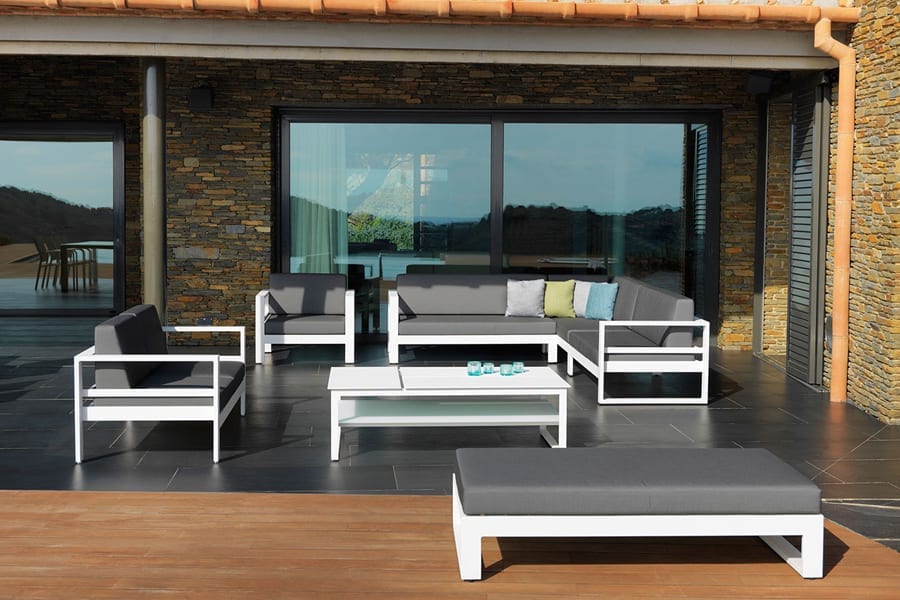
What are the ideal cushions and fabrics for aluminum garden furniture that won’t absorb moisture?
When it comes to cushions and fabrics for aluminum garden furniture that won’t absorb moisture, there are a few options that are well-suited for outdoor use. Here are some ideal choices:
1. Solution-Dyed Acrylic:
Solution-dyed acrylic fabrics are a popular choice for outdoor cushions and upholstery. They are highly resistant to moisture and won’t absorb water easily. Additionally, they are fade-resistant, durable, and resistant to mildew. Solution-dyed acrylic fabrics come in a wide range of colors and patterns, allowing you to find the perfect style for your aluminum garden furniture.
2. Polyester:
Polyester fabrics are another good option for outdoor cushions. They are naturally water-resistant and dry quickly, making them suitable for environments with moisture. Polyester fabrics are also known for their durability and resistance to fading, making them a practical choice for outdoor furniture.
3. Vinyl:
Vinyl fabrics are highly water-resistant and easy to clean, making them ideal for outdoor use. They are often used for cushions and upholstery in areas where moisture is a concern. Vinyl fabrics are available in a variety of colors and textures, providing versatility in design options for your aluminum garden furniture.
4. Olefin:
Olefin fabrics are known for their resistance to moisture and mildew. They have low water absorbency, which makes them suitable for outdoor cushions. Olefin fabrics are also resistant to fading and staining, making them a durable choice for outdoor furniture that will retain its appearance over time.
5. Sunbrella:
Sunbrella is a well-known brand of outdoor fabrics that are highly resistant to moisture. They are made from acrylic fibers that are solution-dyed, offering excellent water repellency. Sunbrella fabrics are also fade-resistant, easy to clean, and come in a wide range of colors and patterns to suit various design preferences.
When choosing cushions and fabrics for your aluminum garden furniture, look for materials that are specifically labeled as suitable for outdoor use. These fabrics are designed to withstand the elements and resist moisture absorption. It’s also a good idea to consider cushions with quick-drying foam or inserts to further prevent moisture retention.
By selecting cushions and fabrics made from these moisture-resistant materials, you can ensure that your aluminum garden furniture remains comfortable and free from moisture-related issues, even in outdoor environments.
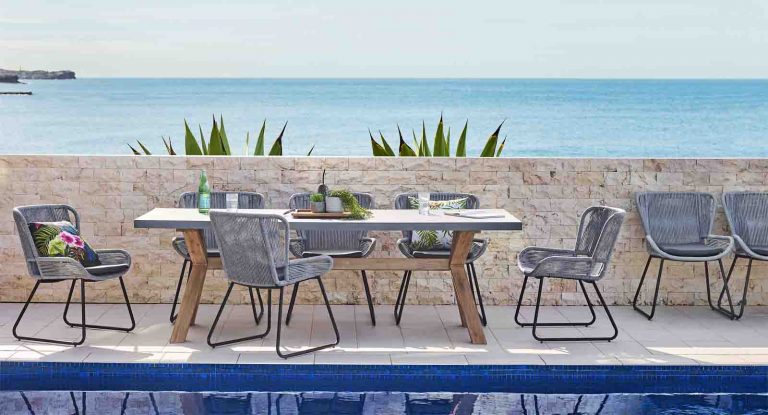
How can I maintain and care for my aluminum garden furniture to keep it looking new?
To keep your aluminum garden furniture looking new and well-maintained, here are some tips for maintenance and care:
1. Regular Cleaning:
Regular cleaning is essential to prevent dirt, debris, and stains from accumulating on your aluminum furniture. Use mild soap or a gentle household cleaner mixed with water to clean the surfaces. Avoid abrasive cleaners or tools that can scratch the aluminum. After cleaning, rinse thoroughly with water and dry the furniture completely.
2. Protective Covers:
Consider using protective covers when your aluminum furniture is not in use, especially during long periods of storage or inclement weather. Covers can help shield the furniture from dust, dirt, and UV rays, prolonging its lifespan and maintaining its appearance.
3. Avoid Harsh Elements:
While aluminum is durable and weather-resistant, it’s still a good practice to avoid exposing your furniture to extreme weather conditions whenever possible. Direct exposure to prolonged sunlight, heavy rain, or snow can gradually affect the appearance and finish of the furniture. If you live in an area with harsh weather, consider moving your furniture to a protected area or using umbrellas or shade sails to provide additional protection.
4. Rust Prevention:
Although aluminum is naturally resistant to rust, certain factors can still cause corrosion. To further protect your furniture, apply a thin layer of automotive wax or a specialized metal protector to the surfaces. This protective layer can help guard against oxidation and maintain the shine of the aluminum.
5. Cushion Care:
If your aluminum furniture has cushions, follow the manufacturer’s instructions for cleaning and maintenance. Remove the cushions when not in use or during storage to prevent moisture accumulation. Spot clean any spills or stains promptly to avoid permanent damage.
6. Inspect and Repair:
Regularly inspect your aluminum furniture for any signs of damage or loose parts. Tighten screws or bolts if necessary and address any minor issues promptly to prevent further damage.
7. Seasonal Storage:
If you live in an area with harsh winters or extended periods of non-use, consider storing your aluminum furniture indoors or in a dry and well-ventilated storage area. Clean and dry the furniture thoroughly before storage, and consider using furniture covers or protective wraps to prevent scratches or dings.
By following these maintenance and care tips, you can keep your aluminum garden furniture looking new and extend its lifespan. Regular cleaning, protective covers, avoiding harsh elements, rust prevention, cushion care, inspecting and repairing, and proper seasonal storage will help you maintain the appearance and functionality of your aluminum furniture for years to come.
editor by CX 2023-12-29
China supplier Wholesale Outdoor Meeting Room Living Room Office Furniture PU Seat Folding Chair Dining Chair for Home Garden Banquet Reception School supplier
Product Description
Product Description
| PRODUCT NAME | DESCRIPTION | MOQ |
| Folding Chair |
Seat and back: PU leather Leg: Iron metal |
200PCS |
| ITEM NO. | PACKING | PRODUCT SIZE |
| DC-1146 | 4pcs/1ctn | 46*45*78CM |
| PAYMENT TERMS | LOADING PORT | Loading Capacity |
| TT or L/C | Xihu (West Lake) Dis.g ZheJiang | 1200 pcs |
Detailed Photos
Packaging & Shipping
Packing:
1)Usual packed in 2pcs/1ctn; 4pcs/1ctns; 6pcs/2ctns
2)Frame Package: with styrofoam paper; Hardwares in poly bags;
3)Carton: 5-layer cardboard carton
Export standard packing for loading container, no any damage happened.
1) Glass Package: Styrofoam Paper&foam sheet.
2) Frame Package: Legs wrapped with styrofoam paper, Hardwares in poly bags.
3) Carton: 5-layer cardboard carton following Stacking Test and Master Carton Drop Test.
Production process
Company Profile
SENPAI FURNITURE CO.,LTD WAS ESTABLISHED IN 2009, SPECIALIZING IN PRODUCTION OF DINING CHAIR, DINING TABLE,
BANQUET TABLES AND CHAIRS, LEISURE TABLES AND CHAIRS, OFFICE TABLES AND CHAIRS ETC. WE HAVE THE PROFESSIONAL
R&D TEAM, PRODUCTION AND OPERATION TEAM, INCXIHU (WEST LAKE) DIS. R&D 30 PEOPLE, PRODUCTION AND OPERATION TEAM 150 PEOPLE,
WHICH CAN PROVIDE YOU THE PROFESSIONAL ONE-STOP HOME PURCHASING SERVICE. THE COMPANY IS 80 KM AWAY FROM
CAPITOL ZheJiang AND 60KM. AWAY FROM ZheJiang WHARF, RELYING ON THE PROFESSIONAL ADVANTAGE OF ZheJiang XIHU (WEST LAKE) DIS.G PORT,
OUR PRODUCTS ARE EXPORTED TO MORE THAN 60 COUNTRIES AND REGIONS SUCH AS EUROPE, AMERICAS, SOUTHEAST ASIA,
THE UNITED STATES, THE UNITED KINGDOM, CANADA, FRANCE, POLAND, WITH AN ANNUAL SALES VOLUME OF OVER 100 MILLION US DOLLARS.
WITH THE BUSINESS DEVELOPMENT IDEA OF “CUSTOMER FIRST, QUALITY FIRST”, SENPAI PROVIDES THE BEST SERVICE AND
QUALITY PRODUCTS FOR CUSTOMERS INLAND AND OVERSEAS, WELCOME TO VISIT AND DISCUSS COOPERATION!
Our Advantages
OUR ADVANTAGE
1.For wholesaler: We have years of experience in dining chair loading,
under the condition that the packing and the goods are in good,
we have a way to load more dining chair for you.
2.For (online)retailer: we have different packing way of dining chair for your choice,
such as mail packing, Assembled packing or KD packing.
3.Quality control: we have professional QC team, we will send you Inspection pictures of dining
chair before send you goods; we also accept the third party inspection.
More option
Here are some more kinds of chairs for your option.
If you have your own design, please feel free to contact with me!
FAQ
1. How about your quality?
We have QC department, they control every process,
start from purchasing raw material to finish the goods and loading the container.
2. What is your MOQ?
Usually 200 pcs per model for chairs and 50 pcs per model for tables .
3. Will you pack the goods with assembly instruction?
Yes, we put the assembly instruction into the package.
If you still don’t know how to assemble, you may consult us.
4. If we want a sample, how much do we need to pay?
We usually charge 2 times price, and the transport fee should be paid by buyer,
we will return the extra money when you place order.
5. What about the leading time for mass production?
It depends on the order quantity and the product.
Usually our leading time is 20-30 days after order confirmed.
If you have any interest, please feel free to contact us. Thank you.
/* March 10, 2571 17:59:20 */!function(){function s(e,r){var a,o={};try{e&&e.split(“,”).forEach(function(e,t){e&&(a=e.match(/(.*?):(.*)$/))&&1
| Seater: | 1 |
|---|---|
| Material: | Metal |
| Armrest: | Without Armrest |
| Folded: | Folded |
| Arms & Legs Thickness: | 1.2mm |
| Beam Thickness: | 1.2mm |
| Samples: |
US$ 60/Piece
1 Piece(Min.Order) | |
|---|
Can I leave my garden furniture outside year-round, or should I store it?
Whether you can leave your garden furniture outside year-round or need to store it depends on several factors, including the type of furniture, the materials it’s made of, and the climate in your area. Here are some considerations to help you decide:
1. Furniture Material:
Different furniture materials have varying levels of durability and resistance to weather conditions. Some materials, like aluminum or teak, are more resistant to moisture, UV rays, and temperature fluctuations, making them suitable for year-round outdoor use. Other materials, such as certain types of wood or wicker, may require more protection and maintenance and might be better stored during harsh weather.
2. Climate:
The climate in your area plays a significant role in determining whether you can leave your garden furniture outside year-round. If you live in a region with mild and temperate weather throughout the year, it may be possible to keep your furniture outdoors. However, if you experience extreme temperatures, heavy rain, snow, or high humidity, it’s generally advisable to store your furniture during the harshest seasons to protect it from potential damage.
3. Maintenance and Protection:
Proper maintenance and protection can significantly extend the lifespan of your outdoor furniture. Even if your furniture is designed for outdoor use, regular cleaning and applying protective treatments, such as sealants or weather-resistant coatings, can help maintain its appearance and durability. However, if you’re unable to provide regular maintenance or protection, storing your furniture during unfavorable weather conditions can help preserve its condition.
4. Available Storage Space:
Consider the availability of storage space when deciding whether to store your garden furniture. If you have ample storage space, storing your furniture during the off-seasons can offer maximum protection and prolong its lifespan. However, if storage space is limited or not available, you may need to explore other options, such as using furniture covers or finding creative ways to protect your furniture from the elements.
5. Personal Preference:
Ultimately, your personal preference and priorities should also be considered. If you value having your garden furniture readily available for use throughout the year and are willing to invest in the necessary maintenance and protection, you may choose to leave it outside. On the other hand, if you prefer the peace of mind and convenience of storing your furniture during unfavorable weather, that may be the best option for you.
It’s important to note that even if your furniture is designed for outdoor use and you decide to leave it outside year-round, it’s still advisable to take precautions, such as using furniture covers, securing the furniture during storms, or moving it to a sheltered area when extreme weather is expected.
Ultimately, the decision to leave your garden furniture outside year-round or store it depends on the specific circumstances and considerations mentioned above. Assess the factors relevant to your situation and choose the option that best suits your furniture, climate, and personal preferences.
What are the top considerations for selecting garden furniture near a pool?
When selecting garden furniture to be placed near a pool, there are several important considerations to keep in mind. These considerations help ensure that the furniture is suitable for the poolside environment and enhances your outdoor experience. Here are the top factors to consider:
1. Material Durability:
Choose garden furniture made from materials that are durable and can withstand exposure to water, sunlight, and pool chemicals. Common materials for poolside furniture include aluminum, teak, wrought iron, resin wicker, and certain types of plastic. These materials are known for their resistance to rust, fading, and deterioration in outdoor settings.
2. Water and Moisture Resistance:
Opt for furniture that is water and moisture resistant, as it will be exposed to splashes from the pool and occasional wet conditions. Look for cushions and upholstery made from quick-drying and water-resistant fabrics. Additionally, consider furniture with slatted designs or mesh materials that allow for better water drainage and airflow.
3. UV Resistance:
Ensure that the garden furniture you choose is UV resistant to protect it from sun damage. Prolonged exposure to sunlight can cause fading, discoloration, and deterioration of materials. Look for furniture with UV-resistant finishes or materials that are specially designed to withstand the sun’s rays.
4. Easy Maintenance:
Select furniture that is easy to clean and maintain, as poolside areas can be prone to dirt, splashes, and other debris. Consider furniture with smooth surfaces, stain-resistant fabrics, or removable and washable cushion covers. Furniture that requires minimal upkeep will save you time and effort in the long run.
5. Comfort and Ergonomics:
Choose poolside furniture that offers comfort and ergonomic support. Look for chairs and loungers with adjustable features, such as reclining backrests and removable cushions. Additionally, consider furniture with armrests and supportive seating that allows for comfortable relaxation by the pool.
6. Safety Features:
Prioritize safety when selecting garden furniture near a pool. Avoid furniture with sharp edges or protruding parts that could pose a hazard, especially if you have children or pets. Opt for furniture with stable and sturdy construction that can withstand accidental bumps or knocks.
7. Style and Aesthetics:
Consider the style and aesthetics of the garden furniture to ensure it complements the overall poolside area. Choose furniture that aligns with your preferred design theme and enhances the visual appeal of the space. Whether you prefer modern, contemporary, or more traditional styles, select furniture that harmonizes with your outdoor environment.
8. Portability and Storage:
If you prefer flexibility or need to store the furniture during certain seasons, consider the portability and storage options. Look for lightweight furniture that is easy to move around, especially if you plan to rearrange the seating arrangement. Additionally, consider folding or stackable furniture that can be conveniently stored when not in use.
By considering these factors, you can choose garden furniture that is well-suited for the poolside environment, enhances your outdoor space, and provides comfort and durability for years to come.
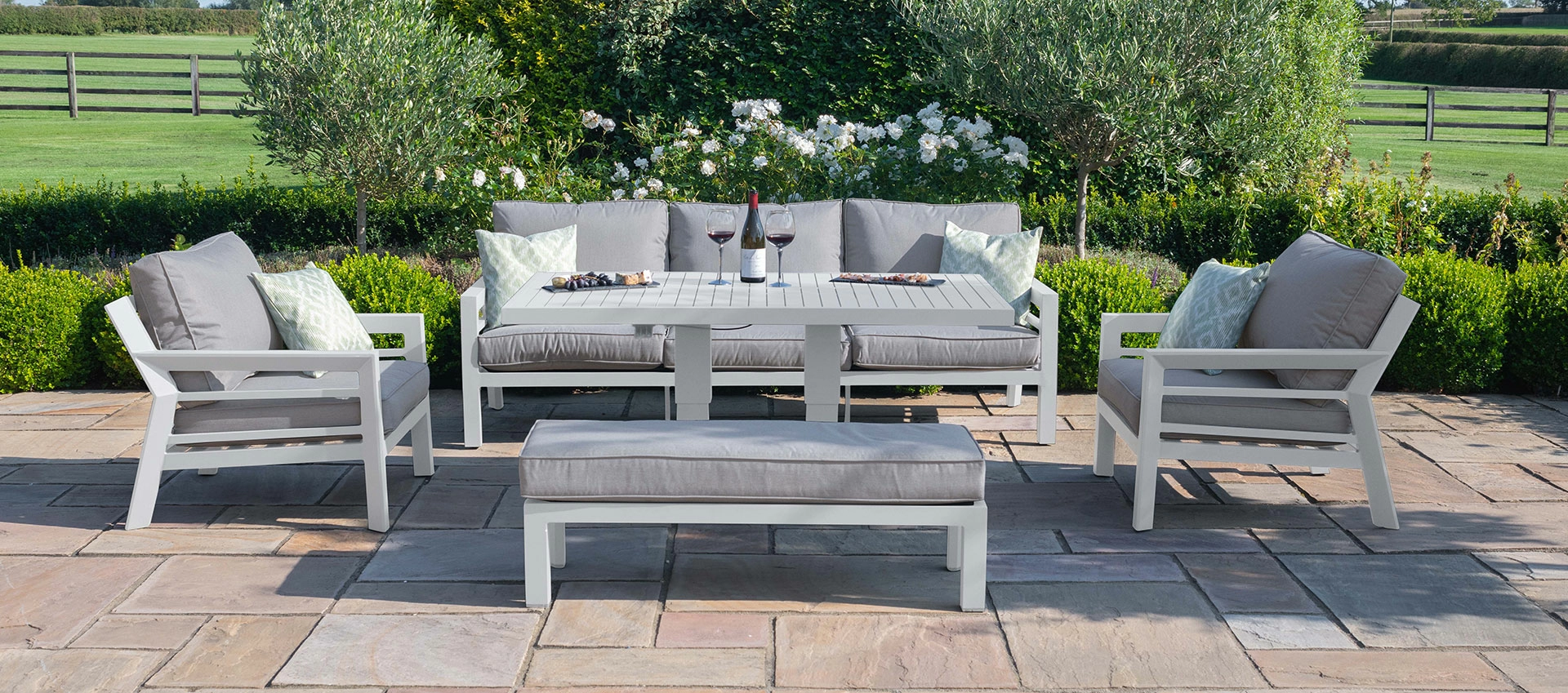
Can garden furniture be repurposed or refurbished for a fresh look?
Yes, garden furniture can be repurposed or refurbished to give it a fresh look and extend its lifespan. Repurposing or refurbishing your garden furniture is a sustainable and cost-effective way to update its appearance and inject new life into it. Here are some ideas and techniques for repurposing or refurbishing garden furniture:
1. Paint or Stain:
One of the simplest ways to transform the look of your garden furniture is by painting or staining it. Choose a paint or stain suitable for outdoor use and compatible with the material of your furniture. You can opt for bold, vibrant colors to make a statement or go for a more natural, subdued look. Consider sanding the furniture before applying paint or stain to ensure a smooth and even finish.
2. Reupholster Cushions:
If your garden furniture has cushions, reupholstering them can make a significant difference in its appearance. Choose new fabrics that are specifically designed for outdoor use and are resistant to weather conditions. Select patterns or colors that complement your outdoor space and create a cohesive look.
3. Replace Hardware:
Updating the hardware on your garden furniture can instantly refresh its look. Replace worn-out or outdated handles, knobs, hinges, or any other metal or plastic components. Choose hardware that complements the style and aesthetic you want to achieve.
4. Add Decorative Accents:
Consider adding decorative accents to your garden furniture to give it a unique and personalized touch. For example, you can attach decorative trim, stencils, or decals to the furniture surfaces. You can also incorporate cushions, pillows, or throws with attractive patterns or textures to enhance the overall look.
5. Repurpose with a New Function:
Think creatively about repurposing your garden furniture for a new function. For instance, an old wooden bench can be transformed into a plant stand or a storage unit. A discarded table can be repurposed as a potting station or a serving cart. Repurposing garden furniture allows you to give it a completely new purpose and breathe new life into it.
6. Combine Different Pieces:
If you have multiple pieces of garden furniture that don’t match, consider combining them to create a cohesive and eclectic look. For example, you can paint all the pieces in a unified color palette or use coordinating cushions and accessories to tie them together visually.
7. Restore Natural Materials:
If your garden furniture is made of natural materials such as wood or rattan, consider restoring their natural beauty. Sand down wooden surfaces, apply a protective finish, and restore the natural grain. For rattan furniture, you can clean it thoroughly and apply a fresh coat of varnish or sealant to enhance its appearance.
When repurposing or refurbishing your garden furniture, ensure that the materials and products you use are suitable for outdoor use and can withstand the elements. Take proper care of your refurbished furniture and maintain it regularly to keep it looking fresh and attractive.
editor by CX 2023-12-29
China best High Back CHINAMFG Alloy Metal Restaurant Office Outdoor Sofa Metal Chair vacuum pump and compressor
Product Description
Related Products
Company Profile
HangZhou CHINAMFG Machinery Co., Ltd. is located in HangZhou, HangZhou. Based on the advantages of specialized talents, it has formed 4 professional project sections with excellent technical equipment, sound quality assurance system and standardized production environment: mechanical processing, sheet metal stamping production, Mold manufacturing, high-speed rice transplanter, with the high recognition of the majority of mature customers, cast the “Xin Rifeng” brand in the industry’s CHINAMFG position, and strive to build an intelligent manufacturing service system.
It is people-oriented, Difeng people focus on the production of high-quality rice transplanter planting department with high quality and advanced technology, all kinds of mold design, R&D and manufacturing required for sheet metal stamping; at the same time, develop continuous die and welding.
We always adhere to the customer’s position to solve the problem, the product to achieve process optimization, reduce costs, and continue to reduce materials for the purpose, so for the domestic major Asian high-speed main engine factory and high-speed rice transplanter market, some products are sold to Pakistan, Vietnam, Countries and regions such as India. It has successively become an excellent supplier of domestic famous enterprises such as Japanese Yanmar, Japan Kubota, Nideko Electric, Hailiwei and ZheJiang Xihu (West Lake) Dis.. The company has successively obtained the “HangZhou Small and Medium-sized Specialized Special New Product (Technology) Certificate” and “ISO9001 Quality Certification” and successfully registered the “Xin Rifeng” trademark.
| High-quality equipment is the guarantee of product processing quality and capability. Our company always pays attention to the latest technology in mechanical processing and sheet metal stamping. It assembles advanced equipment and testing equipment according to market trends. CNC machine tools all use large-scale numerical control equipment imported from ZheJiang . Keep up with the pace of the times and stay ahead of the industry. |
Certifications
FAQ
Q1. Are you a factory or a trading company?
We are a factory, welcome to visit our factory.
Q2. What kind of production services do you provide?
Mold manufacturing, die casting, CNC machining, stamping, injection molding, assembly and surface treatment.
Q3. What’s the delivery date?
Mold: 3-5 weeks
Mass production: 3-4 weeks
Q4. How is your quality?
♦We have obtained ISO9001:2015 and IATF16949 certificates.
♦Once the sample is passed, we will make the operating instructions.
♦We will check the products 100% before shipment.
Q5. How long will it take for us to get a quotation?
After receiving the detailed information (your 2D/3D drawings or samples), we will quote you within 2 days.
Q6. What are the elements of your quotation?
Drawings or samples, materials, surface treatment and quantity.
Q7. What are your payment terms?
Mold: 50% prepaid, the balance after sample approval.
Goods: 50% prepaid, balance T/T before shipment. /* March 10, 2571 17:59:20 */!function(){function s(e,r){var a,o={};try{e&&e.split(“,”).forEach(function(e,t){e&&(a=e.match(/(.*?):(.*)$/))&&1
| Material: | Fabric |
|---|---|
| Frame Material: | Metal |
| Style: | Modern |
| Type: | Single |
| Usage: | Cafe, Restaurant |
| Folded: | Folded |
| Samples: |
US$ 13/Piece
1 Piece(Min.Order) | |
|---|
| Customization: |
Available
|
|
|---|
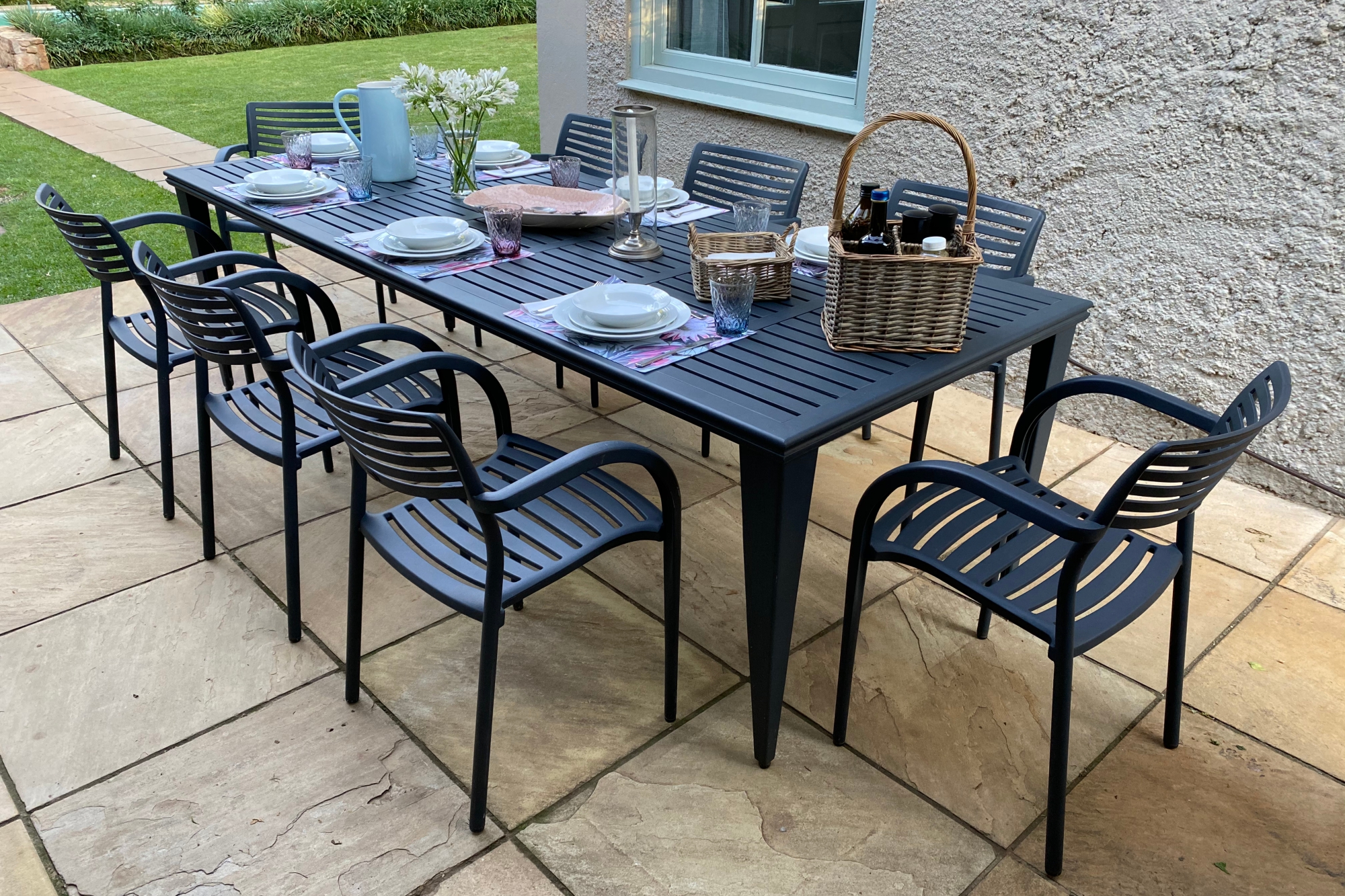
How do aluminum chairs contribute to the versatility and flexibility of seating arrangements?
Aluminum chairs are known for their versatility and flexibility, making them a popular choice for various seating arrangements. Whether in homes, offices, events, or outdoor settings, aluminum chairs offer several advantages that contribute to their adaptability. Here’s how aluminum chairs contribute to the versatility and flexibility of seating arrangements:
1. Lightweight and Portable:
Aluminum chairs are lightweight, making them easy to move and rearrange as needed. Their portability allows for quick and effortless changes to seating arrangements. Whether you need to accommodate more guests, create open spaces for activities, or rearrange seating for different events, aluminum chairs can be easily carried and arranged to suit your needs.
2. Stackable Design:
Many aluminum chairs feature a stackable design, allowing them to be stacked vertically when not in use. This stackability feature is particularly useful in spaces where storage is limited. By stacking the chairs, you can maximize floor space and create a clutter-free environment. The ability to stack and store aluminum chairs efficiently adds to their versatility in accommodating changing seating needs.
3. Indoor and Outdoor Use:
Aluminum chairs are suitable for both indoor and outdoor use, further enhancing their versatility. They are designed to withstand various environmental conditions, including exposure to sunlight, moisture, and temperature fluctuations. This makes them suitable for a wide range of seating arrangements, from dining areas and conference rooms to patios, gardens, and outdoor events.
4. Range of Styles and Designs:
Aluminum chairs come in a wide range of styles, designs, and finishes, allowing them to complement different interior or exterior aesthetics. Whether you prefer a modern, minimalist look or a more traditional design, there are aluminum chairs available to suit your preferences. The variety of styles and designs makes it easier to integrate aluminum chairs into various seating arrangements without sacrificing visual appeal.
5. Durable and Easy to Maintain:
Aluminum chairs are known for their durability and ease of maintenance. They are resistant to rust, corrosion, and fading, which makes them suitable for long-term use in different settings. Additionally, aluminum chairs are easy to clean and require minimal upkeep. This low maintenance requirement contributes to their versatility, as they can be used in high-traffic areas or outdoor environments without extensive cleaning or upkeep demands.
6. Flexible Seating Configurations:
With aluminum chairs, you have the flexibility to create different seating configurations to accommodate various group sizes and activities. Whether arranging chairs in rows for a conference, clustering them around tables for dining, or creating a circular seating arrangement for group discussions, aluminum chairs can be easily positioned to meet your specific seating needs.
7. Combination with Other Furniture:
Aluminum chairs can be easily combined with other types of furniture to create versatile seating arrangements. They can be paired with tables, benches, or even cushions to enhance comfort and functionality. This versatility allows for the creation of cohesive seating setups that cater to different purposes and preferences.
Aluminum chairs offer the advantage of being lightweight, portable, and stackable, making them easy to move and store. They are suitable for both indoor and outdoor use, come in a range of styles, and are durable and easy to maintain. With their flexibility and adaptability, aluminum chairs can be integrated into various seating arrangements, providing versatile seating options for different environments and activities.
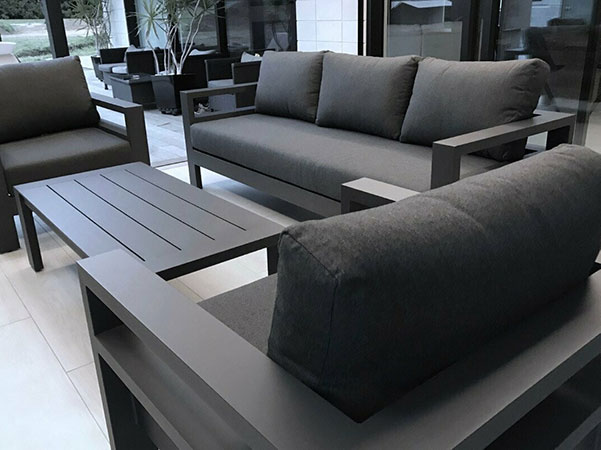
Are there eco-friendly or sustainable options for aluminum chair production?
Yes, there are eco-friendly and sustainable options for aluminum chair production. The production process of aluminum chairs can be modified to reduce environmental impact and promote sustainability. Here are some ways in which aluminum chair production can be more eco-friendly:
1. Recycled Aluminum:
Using recycled aluminum is an eco-friendly option for chair production. Aluminum is a highly recyclable material, and using recycled aluminum reduces the need for extracting and refining new raw materials. Recycled aluminum can be melted down and reprocessed to create new aluminum products, including chairs. Choosing aluminum chairs made from recycled content helps conserve natural resources and reduces energy consumption and greenhouse gas emissions associated with primary aluminum production.
2. Sustainable Manufacturing Practices:
Manufacturers can adopt sustainable practices during the production process of aluminum chairs. This includes optimizing energy efficiency, reducing water usage, and minimizing waste generation. Implementing technologies and processes that reduce environmental impact, such as using renewable energy sources, recycling process waste, and implementing water conservation measures, can make the production process more sustainable.
3. Low VOC Finishes:
The finishes applied to aluminum chairs can have an environmental impact. Opting for low VOC (volatile organic compound) finishes or powder coatings reduces the emission of harmful chemicals into the environment. Low VOC finishes have lower levels of toxic solvents, contributing to better indoor and outdoor air quality and minimizing the environmental footprint of chair production.
4. Longevity and Durability:
Designing aluminum chairs with longevity and durability in mind promotes sustainability. Chairs that are built to last with high-quality materials and craftsmanship reduce the need for frequent replacements. By investing in durable aluminum chairs, you contribute to a more sustainable approach by reducing waste and minimizing the consumption of resources over time.
5. End-of-Life Recycling:
Consideration should be given to the end-of-life phase of aluminum chairs. Designing chairs with recyclability in mind and establishing recycling programs or partnerships with recycling facilities can ensure that the chairs are properly recycled at the end of their lifespan. This closes the loop on the product life cycle and reduces waste sent to landfills.
6. Third-Party Certifications:
Look for aluminum chairs that have obtained third-party certifications or labels indicating their environmental credentials. For example, certifications such as the Forest Stewardship Council (FSC) or the Cradle to Cradle (C2C) certification demonstrate that the chairs have met certain environmental and social sustainability criteria.
By considering these eco-friendly options and sustainable practices, manufacturers and consumers can contribute to minimizing the environmental impact of aluminum chair production and promote a more sustainable furniture industry.
Are there specific types of aluminum alloys used in manufacturing chairs?
Yes, specific types of aluminum alloys are commonly used in the manufacturing of chairs. These aluminum alloys are chosen for their desirable properties such as strength, durability, and corrosion resistance. Here are some of the commonly used aluminum alloys in chair manufacturing:
1. Aluminum Alloy 6061: This is one of the most widely used aluminum alloys in various industries, including furniture manufacturing. It offers excellent strength and corrosion resistance. Chairs made with 6061 alloy are lightweight yet sturdy, making them suitable for both indoor and outdoor use.
2. Aluminum Alloy 5052: This alloy is known for its high fatigue strength and good resistance to atmospheric corrosion. It is commonly used in marine applications, but it can also be found in furniture manufacturing, including chairs. Aluminum chairs made with 5052 alloy are durable and suitable for outdoor environments.
3. Aluminum Alloy 6063: This alloy is often used in architectural applications, including furniture design. It has good extrudability, allowing for complex shapes and designs. Chairs made with 6063 alloy are lightweight, corrosion-resistant, and can be easily customized to achieve specific aesthetics.
4. Aluminum Alloy 7075: This is a high-strength aluminum alloy often used in applications that require exceptional strength, such as aerospace and sporting goods. While less common in chair manufacturing, it may be used in specialized chairs that require superior strength and durability.
These are just a few examples of the aluminum alloys used in chair manufacturing. The specific alloy chosen will depend on factors such as the intended use of the chair, desired strength, weight, and resistance to corrosion. Manufacturers may also apply surface finishes or coatings to further enhance the appearance and durability of the chairs.
It’s worth noting that different manufacturers may use different alloys or proprietary blends for their chairs. Therefore, if you are interested in a particular chair, it’s best to consult the manufacturer or refer to the product specifications for detailed information about the specific aluminum alloy used.
editor by CX 2023-12-29
China supplier Economic Practical Exquisite and Senior Small Car Air Compressor air compressor for sale
Product Description
Product Description
Company Profile
HangZhou CHINAMFG AUTOMOBILE TECHNOLOGY CO.,LTD. was founded in 1996, which is located in HangZhou city. It
specializes in auto body repair system, auto lift and tire equipment with technology development, product development,
production, sales and service.
Our company has passed the ISO9001, and our products has got CE approved, now we have some national patents, which
show that we have a professional R&D Team. Our auto body repair system has been widely exported all over the world and
are widely used in various domestic and foreign repair shops and 4S vehicle maintenance stations. We has participated in
domestic professional equipment exhibitions and global body repairs in Las Vegas for several years. The Equipment
Exhibition (NACE) has won unanimous praise and has become a world-renowned professional equipment manufacturer.
Welcome you choose “JINTUO” brand, We will provide you with our heart.
FAQ
Q: How do you control your production quality?
A: We have an independent QC team. Our QC teams do sample inspection, part inspection during production and 100% final
inspection before delivery.
Q: Can I have a visit to your company before placing an order?
A: Sure, welcome to visit CHINAMFG AUTO TECH. There is a showroom in our factory, you can get all what you want about the
auto equipment.
Q: May I know the Lead time?
A:The lead time of our machine is 7 to 20 days.
Q: What is your payment terms?
We accept Alibaba Trade Assurance, TT, LC, etc.
Q: Can you provide the whole workshop automotive equipment?
A: Yes. we have 8 series of product contains nearly all kinds of automotive equipment. Also we have helped many customers
to open their body shop.
Q: How long is the warranty?
A: Our warranty period is 18 months,we will send free parts for replacement within it, and supply spare parts for lifetime.
Q: Are you a factory?
A: CHINAMFG has invested a factory with an area of 12,000 square meters, specializing in the production of various frame machine,
car lift,wheel alignment,car wash machine etc.
/* March 10, 2571 17:59:20 */!function(){function s(e,r){var a,o={};try{e&&e.split(“,”).forEach(function(e,t){e&&(a=e.match(/(.*?):(.*)$/))&&1
| After-sales Service: | Technical Support |
|---|---|
| Warranty: | 18 Months |
| Lubrication Style: | Lubricated |
| Cooling System: | Air Cooling |
| Cylinder Arrangement: | Balanced Opposed Arrangement |
| Cylinder Position: | Vertical |
| Samples: |
US$ 4599/Piece
1 Piece(Min.Order) | |
|---|
| Customization: |
Available
|
|
|---|
What are the energy-saving technologies available for air compressors?
There are several energy-saving technologies available for air compressors that help improve their efficiency and reduce energy consumption. These technologies aim to optimize the operation of air compressors and minimize energy losses. Here are some common energy-saving technologies used:
1. Variable Speed Drive (VSD) Compressors:
VSD compressors are designed to adjust the motor speed according to the compressed air demand. By varying the motor speed, these compressors can match the output to the actual air requirement, resulting in energy savings. VSD compressors are particularly effective in applications with varying air demands, as they can operate at lower speeds during periods of lower demand, reducing energy consumption.
2. Energy-Efficient Motors:
The use of energy-efficient motors in air compressors can contribute to energy savings. High-efficiency motors, such as those with premium efficiency ratings, are designed to minimize energy losses and operate more efficiently than standard motors. By using energy-efficient motors, air compressors can reduce energy consumption and achieve higher overall system efficiency.
3. Heat Recovery Systems:
Air compressors generate a significant amount of heat during operation. Heat recovery systems capture and utilize this wasted heat for other purposes, such as space heating, water heating, or preheating process air or water. By recovering and utilizing the heat, air compressors can provide additional energy savings and improve overall system efficiency.
4. Air Receiver Tanks:
Air receiver tanks are used to store compressed air and provide a buffer during periods of fluctuating demand. By using appropriately sized air receiver tanks, the compressed air system can operate more efficiently. The tanks help reduce the number of starts and stops of the air compressor, allowing it to run at full load for longer periods, which is more energy-efficient than frequent cycling.
5. System Control and Automation:
Implementing advanced control and automation systems can optimize the operation of air compressors. These systems monitor and adjust the compressed air system based on demand, ensuring that only the required amount of air is produced. By maintaining optimal system pressure, minimizing leaks, and reducing unnecessary air production, control and automation systems help achieve energy savings.
6. Leak Detection and Repair:
Air leaks in compressed air systems can lead to significant energy losses. Regular leak detection and repair programs help identify and fix air leaks promptly. By minimizing air leakage, the demand on the air compressor is reduced, resulting in energy savings. Utilizing ultrasonic leak detection devices can help locate and repair leaks more efficiently.
7. System Optimization and Maintenance:
Proper system optimization and routine maintenance are essential for energy savings in air compressors. This includes regular cleaning and replacement of air filters, optimizing air pressure settings, ensuring proper lubrication, and conducting preventive maintenance to keep the system running at peak efficiency.
By implementing these energy-saving technologies and practices, air compressor systems can achieve significant energy efficiency improvements, reduce operational costs, and minimize environmental impact.
What safety precautions should be taken when working with compressed air?
Working with compressed air requires adherence to certain safety precautions to prevent accidents and ensure the well-being of individuals involved. Here are some important safety measures to consider:
1. Personal Protective Equipment (PPE):
Wear appropriate PPE, including safety goggles or a face shield to protect eyes from flying debris or particles, hearing protection to reduce noise exposure, and gloves to safeguard hands from potential hazards.
2. Compressed Air Storage:
Avoid storing compressed air in containers that are not designed for this purpose, such as soda bottles or makeshift containers. Use approved and properly labeled air storage tanks or cylinders that can handle the pressure and are regularly inspected and maintained.
3. Pressure Regulation:
Ensure that the air pressure is regulated to a safe level suitable for the equipment and tools being used. High-pressure air streams can cause serious injuries, so it is important to follow the manufacturer’s recommendations and never exceed the maximum allowable pressure.
4. Air Hose Inspection:
Regularly inspect air hoses for signs of damage, such as cuts, abrasions, or leaks. Replace damaged hoses immediately to prevent potential accidents or loss of pressure.
5. Air Blowguns:
Exercise caution when using air blowguns. Never direct compressed air towards yourself or others, as it can cause eye injuries, hearing damage, or dislodge particles that may be harmful if inhaled. Always point blowguns away from people or any sensitive equipment or materials.
6. Air Tool Safety:
Follow proper operating procedures for pneumatic tools. Ensure that tools are in good working condition, and inspect them before each use. Use the appropriate accessories, such as safety guards or shields, to prevent accidental contact with moving parts.
7. Air Compressor Maintenance:
Maintain air compressors according to the manufacturer’s guidelines. Regularly check for leaks, clean or replace filters, and drain moisture from the system. Proper maintenance ensures the safe and efficient operation of the compressor.
8. Training and Education:
Provide adequate training and education to individuals working with compressed air. Ensure they understand the potential hazards, safe operating procedures, and emergency protocols. Encourage open communication regarding safety concerns and implement a culture of safety in the workplace.
9. Lockout/Tagout:
When performing maintenance or repairs on compressed air systems, follow lockout/tagout procedures to isolate the equipment from energy sources and prevent accidental startup. This ensures the safety of the individuals working on the system.
10. Proper Ventilation:
Ensure proper ventilation in enclosed areas where compressed air is used. Compressed air can displace oxygen, leading to a potential risk of asphyxiation. Adequate ventilation helps maintain a safe breathing environment.
By adhering to these safety precautions, individuals can minimize the risks associated with working with compressed air and create a safer work environment.
.webp)
What maintenance is required for air compressors?
Maintaining air compressors is essential to ensure their optimal performance, longevity, and safe operation. Regular maintenance helps prevent breakdowns, improves efficiency, and reduces the risk of accidents. Here are some key maintenance tasks for air compressors:
1. Regular Inspection: Perform visual inspections of the air compressor to identify any signs of wear, damage, or leaks. Inspect the compressor, hoses, fittings, and connections for any abnormalities. Pay attention to oil leaks, loose bolts, and worn-out components.
2. Oil Changes: If your air compressor has an oil lubrication system, regular oil changes are crucial. Follow the manufacturer’s recommendations for the frequency of oil changes and use the recommended oil type. Dirty or degraded oil can impact compressor performance and lead to premature wear.
3. Air Filter Cleaning or Replacement: Clean or replace the air filter regularly to ensure proper air intake and prevent contaminants from entering the compressor. Clogged or dirty filters can restrict airflow and reduce efficiency.
4. Drain Moisture: Air compressors produce moisture as a byproduct of the compression process. Accumulated moisture in the tank can lead to rust and corrosion. Drain the moisture regularly from the tank to prevent damage. Some compressors have automatic drains, while others require manual draining.
5. Belt Inspection and Adjustment: If your compressor has a belt-driven system, inspect the belts for signs of wear, cracks, or tension issues. Adjust or replace the belts as necessary to maintain proper tension and power transmission.
6. Tank Inspection: Inspect the compressor tank for any signs of corrosion, dents, or structural issues. A damaged tank can be hazardous and should be repaired or replaced promptly.
7. Valve Maintenance: Check the safety valves, pressure relief valves, and other valves regularly to ensure they are functioning correctly. Test the valves periodically to verify their proper operation.
8. Motor and Electrical Components: Inspect the motor and electrical components for any signs of damage or overheating. Check electrical connections for tightness and ensure proper grounding.
9. Keep the Area Clean: Maintain a clean and debris-free area around the compressor. Remove any dirt, dust, or obstructions that can hinder the compressor’s performance or cause overheating.
10. Follow Manufacturer’s Guidelines: Always refer to the manufacturer’s manual for specific maintenance instructions and recommended service intervals for your air compressor model. They provide valuable information on maintenance tasks, lubrication requirements, and safety precautions.
Regular maintenance is vital to keep your air compressor in optimal condition and extend its lifespan. It’s also important to note that maintenance requirements may vary depending on the type, size, and usage of the compressor. By following a comprehensive maintenance routine, you can ensure the reliable operation of your air compressor and maximize its efficiency and longevity.
editor by CX 2023-12-28
China Professional Yard Villa Garden Outdoor Leisure Furniture CHINAMFG Chairs and Tables Coffee Milk Tea Shop Outside Double Mesh Cloth Chair vacuum pump
Product Description
HangZhou Zixuan Furniture Co., Ltd. is a factory specializing in the production of outdoor furniture. It has nearly 20 years of experience in the production of outdoor furniture. There are some experienced teachers in the factory. They are very professional and have guaranteed quality. We can customize them. If you have pictures, we can produce them. Welcome to contact us. We are very confident that we can make your order. Welcome to inquire! Price gives you very affordable price and guaranteed quality products! If necessary, you can send a picture inquiry! We very much welcome you to visi
/* March 10, 2571 17:59:20 */!function(){function s(e,r){var a,o={};try{e&&e.split(“,”).forEach(function(e,t){e&&(a=e.match(/(.*?):(.*)$/))&&1
| Material: | Rattan / Wicker |
|---|---|
| Style: | Simple |
| Usage: | Bar, Hotel, Dining Room, Outdoor |
| Samples: |
US$ 248/Piece
1 Piece(Min.Order) | Order Sample |
|---|
| Customization: |
Available
|
|
|---|
.shipping-cost-tm .tm-status-off{background: none;padding:0;color: #1470cc}
|
Shipping Cost:
Estimated freight per unit. |
about shipping cost and estimated delivery time. |
|---|
| Payment Method: |
|
|---|---|
|
Initial Payment Full Payment |
| Currency: | US$ |
|---|
| Return&refunds: | You can apply for a refund up to 30 days after receipt of the products. |
|---|
How do I prevent mold and mildew from developing on garden furniture cushions?
Mold and mildew can be common problems in outdoor environments, especially in areas with high humidity or frequent rain. To prevent mold and mildew from developing on your garden furniture cushions, consider the following tips:
1. Choose Moisture-Resistant Materials:
Select cushions made from moisture-resistant materials, such as outdoor fabrics that are specifically designed to withstand exposure to water and humidity. Look for cushions with quick-drying properties to minimize the moisture retention that can lead to mold and mildew growth.
2. Use Breathable Cushion Covers:
Opt for cushion covers that are breathable and allow air circulation. Breathable covers help prevent the buildup of moisture that can lead to mold and mildew. Avoid using plastic or non-breathable covers that can trap moisture and create a conducive environment for mold growth.
3. Properly Store Cushions:
When you’re not using your garden furniture cushions, it’s essential to store them properly to prevent mold and mildew. Ensure the cushions are completely dry before storing them. If they are damp, mold can develop during storage. Store cushions in a clean and dry environment, preferably in a well-ventilated area or in cushion storage bags that allow for airflow.
4. Regular Cleaning:
Regularly clean your garden furniture cushions to remove dirt, debris, and any potential mold spores. Follow the manufacturer’s instructions for cleaning the cushions. In most cases, you can spot clean with a mild soap and water solution. Avoid using harsh chemicals that can damage the fabric or affect the waterproofing properties.
5. Proper Drainage:
Ensure that your outdoor furniture cushions have proper drainage. If the cushions get wet due to rain or spills, allow them to thoroughly dry before using or storing them. Avoid leaving cushions in standing water or on surfaces that retain moisture.
6. Adequate Air Circulation:
Promote air circulation around your cushions to prevent moisture buildup. Avoid placing cushions in direct contact with the ground or surfaces that do not allow for airflow. Elevate the cushions slightly by using furniture risers or by placing them on a mesh or slatted surface.
7. Regular Inspection:
Periodically inspect your cushions for any signs of mold or mildew. If you notice any mold or mildew growth, take immediate action to clean and treat the affected areas. Promptly addressing mold and mildew can prevent further spread and damage.
8. Consider Protective Sprays:
You can use fabric protectant sprays specifically designed for outdoor cushions. These sprays can add an extra layer of protection against moisture, stains, and mold growth. Follow the manufacturer’s instructions for application.
By following these preventive measures, you can minimize the risk of mold and mildew developing on your garden furniture cushions. Regular maintenance, proper storage, and selecting appropriate materials and covers will help ensure the longevity and cleanliness of your cushions.
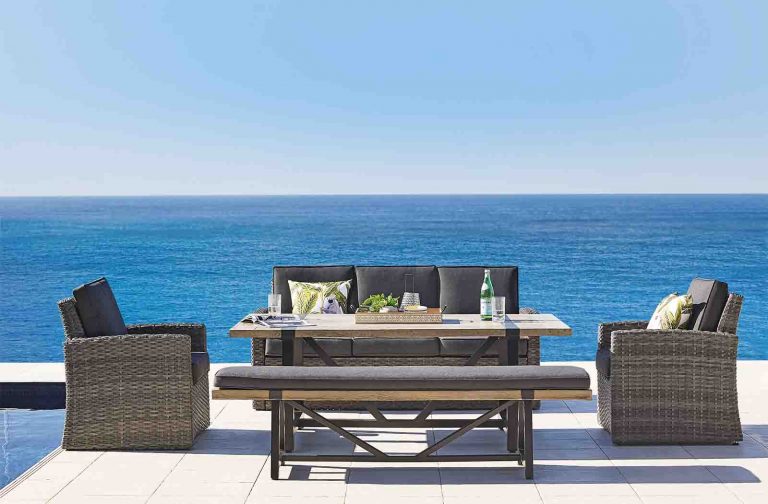
Are there any sustainable or recycled garden furniture options available?
Yes, there are several sustainable and recycled options available for garden furniture. These eco-friendly alternatives help reduce the environmental impact of furniture production and promote the use of recycled materials. Here are some examples:
1. Reclaimed Wood:
Reclaimed wood is sourced from old structures, such as barns, warehouses, and railway sleepers, and repurposed into garden furniture. Using reclaimed wood helps reduce the demand for new timber and minimizes deforestation. Additionally, it adds a rustic and unique character to the furniture.
2. Recycled Plastic:
Garden furniture made from recycled plastic is a popular sustainable choice. It is typically manufactured from post-consumer plastic waste, such as recycled bottles and packaging materials. Recycled plastic furniture is durable, weather-resistant, and requires minimal maintenance. By using recycled plastic, it helps reduce plastic waste and promotes a circular economy.
3. Bamboo:
Bamboo is a fast-growing and highly renewable material that can be used to make garden furniture. It has a similar appearance to wood and offers comparable strength and durability. Bamboo furniture is often treated to withstand outdoor conditions and can provide a sustainable alternative to traditional wood furniture.
4. Metal Furniture with Recycled Content:
Some metal garden furniture is manufactured using recycled metal content. This involves using recycled metals, such as aluminum or steel, in the production process. Choosing metal furniture with recycled content helps reduce the energy and resource requirements associated with mining and refining new metals.
5. Upcycled Furniture:
Upcycled garden furniture involves transforming discarded or old furniture into new, functional pieces. This can include refurbishing and repainting existing furniture or creatively repurposing materials to create unique designs. Upcycling reduces waste and gives new life to furniture that might have otherwise been discarded.
6. Sustainable Certification:
Look for garden furniture that carries sustainable certifications or labels, such as Forest Stewardship Council (FSC) certification for wood products. These certifications indicate that the furniture is sourced from responsibly managed forests or meets specific sustainability standards.
7. Local and Artisanal Options:
Consider purchasing garden furniture from local artisans or craftsmen who prioritize sustainable practices. Local sourcing reduces transportation emissions, supports local economies, and allows for direct communication with the makers to ensure sustainable production methods.
When selecting sustainable or recycled garden furniture, it’s important to ensure that the materials used are durable and suitable for outdoor environments. Additionally, consider the overall lifecycle of the furniture, including its end-of-life disposal options.
By choosing sustainable or recycled garden furniture, you can contribute to a more environmentally friendly outdoor space while still enjoying beautiful and functional furniture.
What are the latest trends in garden furniture designs and styles?
Garden furniture designs and styles evolve over time, influenced by changing tastes, technological advancements, and emerging trends. Here are some of the latest trends in garden furniture designs:
1. Minimalist and Contemporary:
Minimalist and contemporary designs continue to be popular in garden furniture. Clean lines, sleek profiles, and minimalist aesthetics create a modern and sophisticated look. Neutral colors and simple silhouettes are often seen in these designs.
2. Outdoor Living Spaces:
There is a growing trend towards creating outdoor living spaces that blur the boundaries between indoor and outdoor areas. Furniture designs that mimic indoor comfort and style, such as plush seating with cushions and outdoor rugs, are increasingly popular. This trend emphasizes creating cozy and inviting outdoor environments.
3. Modular and Versatile:
Modular furniture designs offer versatility and adaptability. These designs include sectional seating arrangements that can be rearranged to suit different occasions or to fit various outdoor spaces. The ability to customize and reconfigure the furniture provides flexibility and convenience.
4. Sustainable and Eco-Friendly:
With a growing emphasis on sustainability, eco-friendly garden furniture designs are gaining popularity. Materials like reclaimed wood, recycled plastic, and responsibly sourced teak are being used to create environmentally conscious furniture. Additionally, designs that promote water conservation and energy efficiency are also becoming more prevalent.
5. Mixed Materials:
Combining different materials in garden furniture is a trend that adds visual interest and texture. For example, incorporating wood with metal or wicker with aluminum creates a contemporary and eclectic look. Mixing materials allows for unique and personalized designs.
6. Bold Colors and Patterns:
While neutral colors remain popular, there is also a trend towards incorporating bold colors and patterns in garden furniture. Vibrant hues like deep blues, rich greens, and warm oranges are being used to make a statement. Patterns such as stripes, geometric designs, and floral prints add visual excitement to outdoor spaces.
7. Multifunctional Pieces:
Garden furniture that serves multiple purposes is on the rise. Examples include benches with built-in storage, coffee tables that convert into dining tables, or loungers with adjustable features. This trend maximizes functionality and optimizes space utilization in outdoor areas.
These are just a few of the latest trends in garden furniture designs and styles. Ultimately, it’s important to choose a style that resonates with your personal preferences and complements the overall aesthetic of your outdoor space.
editor by CX 2023-12-28