Product Description
Lead Time
Product Description
TR-22VA/W 0.8-1.25Mpa 8-12.5Bar 0.85-3.7m3/min 22KW air compressor oil free screw scroll China
Specifications
| Model |
Maximum working Pressure |
FAD |
Motor Power |
Noise |
Pipe diameters of cooling water in and out |
Quantity of cooling water |
Quantity of lubricating water |
Dimension | Weight |
Air outlet |
|||||||||||||||||||||||||||||||||||||||||||||||||||||||||||||||||||||||||||||||||||||||||||||||||||||||||||||||||||||||||||||||||||||||||||||||||||||||||||||||||||||||||||||||||||||||||||||||||||||||||||||||||||||||||||||||||||||||||||||||||||||||||||||||||||||||||||||||||||||||||||||||||||||||||||||||||||||||||||||||||||||||||||||||||||||||||||||||||||||||||||||||||||
|
Inlet water 32ºC |
L*W*H | ||||||||||||||||||||||||||||||||||||||||||||||||||||||||||||||||||||||||||||||||||||||||||||||||||||||||||||||||||||||||||||||||||||||||||||||||||||||||||||||||||||||||||||||||||||||||||||||||||||||||||||||||||||||||||||||||||||||||||||||||||||||||||||||||||||||||||||||||||||||||||||||||||||||||||||||||||||||||||||||||||||||||||||||||||||||||||||||||||||||||||||||||||||||||||||
| Mpa | M3/min | KW | DB | T/H | L | mm | KG | ||||||||||||||||||||||||||||||||||||||||||||||||||||||||||||||||||||||||||||||||||||||||||||||||||||||||||||||||||||||||||||||||||||||||||||||||||||||||||||||||||||||||||||||||||||||||||||||||||||||||||||||||||||||||||||||||||||||||||||||||||||||||||||||||||||||||||||||||||||||||||||||||||||||||||||||||||||||||||||||||||||||||||||||||||||||||||||||||||||||||||||||||||||||
| TR-08VA/W | 0.8 | 0.35-1.17 | 7.5 | 57 | 3/4″ | 2 | 10 | 8.4) optimized design, large rotor, low rotary speed (within 3000r/min), without the gearbox.
direct connection drive, it has a lower rotary speed and longer life compared with dry oil-free screw air compressor(10000r/min-20000r/min). 12. Automatic Cleaning System The function of automatic water exchange and automatic system cleaning can be realized, and the interior of the compressor is more clean and sanitary. Introduction Company Information Package Delivery
BACK HOME /* March 10, 2571 17:59:20 */!function(){function s(e,r){var a,o={};try{e&&e.split(“,”).forEach(function(e,t){e&&(a=e.match(/(.*?):(.*)$/))&&1
Can air compressors be used for painting and sandblasting?Yes, air compressors can be used for both painting and sandblasting applications. Here’s a closer look at how air compressors are utilized for painting and sandblasting: Painting: Air compressors are commonly used in painting processes, especially in automotive, industrial, and construction applications. Here’s how they are involved:
Sandblasting: Air compressors play a crucial role in sandblasting operations, which involve propelling abrasive materials at high velocity to clean, etch, or prepare surfaces. Here’s how air compressors are used in sandblasting:
When using air compressors for painting or sandblasting, it is important to consider factors such as the compressor’s pressure and volume output, the specific requirements of the application, and the type of tools or equipment being used. Consult the manufacturer’s guidelines and recommendations to ensure the air compressor is suitable for the intended painting or sandblasting tasks. Proper safety measures, such as wearing protective gear and following established protocols, should always be followed when working with air compressors for painting and sandblasting applications.
How do you troubleshoot common air compressor problems?Troubleshooting common air compressor problems can help identify and resolve issues that may affect the performance and functionality of the compressor. Here are some steps to troubleshoot common air compressor problems: 1. No Power:
2. Low Air Pressure:
3. Excessive Noise or Vibration:
4. Air Leaks:
5. Excessive Moisture in Compressed Air:
6. Motor Overheating:
If troubleshooting these common problems does not resolve the issue, it may be necessary to consult the manufacturer’s manual or seek assistance from a qualified technician. Regular maintenance, such as cleaning, lubrication, and inspection, can also help prevent common problems and ensure the optimal performance of the air compressor.
How do you choose the right size of air compressor for your needs?Choosing the right size of air compressor is essential to ensure optimal performance and efficiency for your specific needs. Here are some factors to consider when selecting the appropriate size: 1. Air Demand: Determine the air demand requirements of your applications. Calculate the total CFM (Cubic Feet per Minute) needed by considering the air consumption of all the pneumatic tools and equipment that will be operated simultaneously. Choose an air compressor with a CFM rating that meets or exceeds this total demand. 2. Pressure Requirements: Consider the required operating pressure for your applications. Check the PSI (Pounds per Square Inch) rating of the tools and equipment you will be using. Ensure that the air compressor you choose can deliver the necessary pressure consistently. 3. Duty Cycle: Evaluate the duty cycle of the air compressor. The duty cycle represents the percentage of time the compressor can operate within a given time period without overheating or experiencing performance issues. If you require continuous or heavy-duty operation, choose a compressor with a higher duty cycle. 4. Power Source: Determine the available power source at your location. Air compressors can be powered by electricity or gasoline engines. Ensure that the chosen compressor matches the available power supply and consider factors such as voltage, phase, and fuel requirements. 5. Portability: Assess the portability requirements of your applications. If you need to move the air compressor frequently or use it in different locations, consider a portable or wheeled compressor that is easy to transport. 6. Space and Noise Constraints: Consider the available space for installation and the noise restrictions in your working environment. Choose an air compressor that fits within the allocated space and meets any noise regulations or requirements. 7. Future Expansion: Anticipate any potential future expansions or increases in air demand. If you expect your air demand to grow over time, it may be wise to choose a slightly larger compressor to accommodate future needs and avoid the need for premature replacement. 8. Budget: Consider your budgetary constraints. Compare the prices of different air compressor models while ensuring that the chosen compressor meets your specific requirements. Keep in mind that investing in a higher-quality compressor may result in better performance, durability, and long-term cost savings. By considering these factors and evaluating your specific needs, you can choose the right size of air compressor that will meet your air demand, pressure requirements, and operational preferences, ultimately ensuring efficient and reliable performance.
China high quality CHINAMFG Air Tools 8 Bar (115psi) Industrial Compressors Electric Oil Free Air Compressor Portable wholesalerProduct Description
FIXTEC Air Tools 8 Bar(115psi) Industrial Compressors Electric Oil Free Air Compressor Portable Main Products View more products,you can click product keywords…
Product Description EBIC Tools is established in 2003, with rich experience in tools business, FIXTEC is our registered brand. One-stop tools station, including full line of power tools, hand tools, bench tools, air tools, welding machine, water pumps, generators, garden tools and power tools accessories etc.
Recommended products
Customer Evaluation
Company Profile
FAQ FIXTEC team is based in China to support global marketing and we are looking for local distributors as our long term partners,Welcome to contact us! /* March 10, 2571 17:59:20 */!function(){function s(e,r){var a,o={};try{e&&e.split(“,”).forEach(function(e,t){e&&(a=e.match(/(.*?):(.*)$/))&&1
Are there special considerations for air compressor installations in remote areas?Yes, there are several special considerations to take into account when installing air compressors in remote areas. These areas often lack access to infrastructure and services readily available in urban or well-developed regions. Here are some key considerations: 1. Power Source: Remote areas may have limited or unreliable access to electricity. It is crucial to assess the availability and reliability of the power source for operating the air compressor. In some cases, alternative power sources such as diesel generators or solar panels may need to be considered to ensure a consistent and uninterrupted power supply. 2. Environmental Conditions: Remote areas can present harsh environmental conditions that can impact the performance and durability of air compressors. Extreme temperatures, high humidity, dust, and corrosive environments may require the selection of air compressors specifically designed to withstand these conditions. Adequate protection, insulation, and ventilation must be considered to prevent damage and ensure optimal operation. 3. Accessibility and Transport: Transporting air compressors to remote areas may pose logistical challenges. The size, weight, and portability of the equipment should be evaluated to ensure it can be transported efficiently to the installation site. Additionally, the availability of suitable transportation infrastructure, such as roads or air transportation, needs to be considered to facilitate the delivery and installation process. 4. Maintenance and Service: In remote areas, access to maintenance and service providers may be limited. It is important to consider the availability of trained technicians and spare parts for the specific air compressor model. Adequate planning for routine maintenance, repairs, and troubleshooting should be in place to minimize downtime and ensure the longevity of the equipment. 5. Fuel and Lubricants: For air compressors that require fuel or lubricants, ensuring a consistent and reliable supply can be challenging in remote areas. It is necessary to assess the availability and accessibility of fuel or lubricant sources and plan for their storage and replenishment. In some cases, alternative or renewable fuel options may need to be considered. 6. Noise and Environmental Impact: Remote areas are often characterized by their natural beauty and tranquility. Minimizing noise levels and environmental impact should be a consideration when installing air compressors. Selecting models with low noise emissions and implementing appropriate noise reduction measures can help mitigate disturbances to the surrounding environment and wildlife. 7. Communication and Remote Monitoring: Given the remote location, establishing reliable communication channels and remote monitoring capabilities can be essential for effective operation and maintenance. Remote monitoring systems can provide real-time data on the performance and status of the air compressor, enabling proactive maintenance and troubleshooting. By addressing these special considerations, air compressor installations in remote areas can be optimized for reliable operation, efficiency, and longevity.
Are there differences between single-stage and two-stage air compressors?Yes, there are differences between single-stage and two-stage air compressors. Here’s an in-depth explanation of their distinctions: Compression Stages: The primary difference between single-stage and two-stage air compressors lies in the number of compression stages they have. A single-stage compressor has only one compression stage, while a two-stage compressor has two sequential compression stages. Compression Process: In a single-stage compressor, the entire compression process occurs in a single cylinder. The air is drawn into the cylinder, compressed in a single stroke, and then discharged. On the other hand, a two-stage compressor utilizes two cylinders or chambers. In the first stage, air is compressed to an intermediate pressure in the first cylinder. Then, the partially compressed air is sent to the second cylinder where it undergoes further compression to reach the desired final pressure. Pressure Output: The number of compression stages directly affects the pressure output of the air compressor. Single-stage compressors typically provide lower maximum pressure levels compared to two-stage compressors. Single-stage compressors are suitable for applications that require moderate to low air pressure, while two-stage compressors are capable of delivering higher pressures, making them suitable for demanding applications that require greater air pressure. Efficiency: Two-stage compressors generally offer higher efficiency compared to single-stage compressors. The two-stage compression process allows for better heat dissipation between stages, reducing the chances of overheating and improving overall efficiency. Additionally, the two-stage design allows the compressor to achieve higher compression ratios while minimizing the work done by each stage, resulting in improved energy efficiency. Intercooling: Intercooling is a feature specific to two-stage compressors. Intercoolers are heat exchangers placed between the first and second compression stages. They cool down the partially compressed air before it enters the second stage, reducing the temperature and improving compression efficiency. The intercooling process helps to minimize heat buildup and reduces the potential for moisture condensation within the compressor system. Applications: The choice between a single-stage and two-stage compressor depends on the intended application. Single-stage compressors are commonly used for light-duty applications such as powering pneumatic tools, small-scale workshops, and DIY projects. Two-stage compressors are more suitable for heavy-duty applications that require higher pressures, such as industrial manufacturing, automotive service, and large-scale construction. It is important to consider the specific requirements of the application, including required pressure levels, duty cycle, and anticipated air demand, when selecting between a single-stage and two-stage air compressor. In summary, the main differences between single-stage and two-stage air compressors lie in the number of compression stages, pressure output, efficiency, intercooling capability, and application suitability.
In which industries are air compressors widely used?Air compressors find extensive usage across various industries due to their versatility and ability to generate compressed air. Here are some industries where air compressors are widely employed: 1. Manufacturing: Air compressors are essential in manufacturing processes for powering pneumatic tools and equipment. They are used for tasks such as operating assembly lines, powering robotic machinery, running paint sprayers, and driving pneumatic actuators. 2. Construction: Air compressors play a crucial role in the construction industry. They power pneumatic tools like jackhammers, nail guns, impact wrenches, and concrete breakers. Compressed air is also used for concrete spraying, sandblasting, and operating air-powered lifts and hoists. 3. Automotive: Air compressors are widely used in automotive manufacturing and repair. They power air tools used in auto body shops, tire inflation equipment, pneumatic lifts, and air-operated brake systems. Compressed air is also utilized in vehicle painting and drying processes. 4. Oil and Gas: The oil and gas industry extensively relies on air compressors for various applications. They are used for pneumatic drilling, powering pneumatic tools in refineries and petrochemical plants, operating pneumatic valves and actuators, and providing instrument air for control systems. 5. Food and Beverage: Air compressors are employed in the food and beverage industry for tasks such as packaging, bottling, and sealing. They power pneumatic conveying systems, control air pressure in food processing equipment, and provide clean compressed air for food handling and storage. 6. Pharmaceutical and Healthcare: Air compressors find application in pharmaceutical manufacturing and healthcare facilities. They are used for operating medical equipment, such as ventilators and dental tools. Compressed air is also utilized in pharmaceutical processes, including tablet coating, fluid bed drying, and aseptic packaging. 7. Aerospace: The aerospace industry relies on air compressors for various applications, including aircraft maintenance and assembly. They power pneumatic tools for aircraft repair, provide compressed air for cleaning and pressurizing systems, and support ground operations, such as tire inflation and aircraft de-icing. 8. Mining: Air compressors are extensively used in the mining industry. They power pneumatic tools for drilling, rock blasting, and excavation. Compressed air is also utilized for ventilation, conveying materials, and operating underground equipment. 9. Energy and Utilities: Air compressors play a vital role in the energy and utilities sector. They are used in power generation plants for pneumatic control systems, instrument air, and operating pneumatic valves. Compressed air is also employed for cleaning and maintenance purposes. These are just a few examples of the industries where air compressors are widely utilized. The versatility and reliability of air compressors make them indispensable in numerous applications across diverse sectors.
China Custom Silver Rattan Outdoor Stack Set CHINAMFG Bistro Cafe Beach MID Century Furniture with Hot sellingProduct Description
Silver rattan outdoor stack set CHINAMFG bistro cafe beach mid century furniture
*Application: Hotel, restaurant, bistro, bar, cafe terrace as well as garden, balcony, courtyard etc.. *More Designs: *Bamboo look color and rattan color selections: *Production Flow: *Company profile: *Fairs: *Certificate: /* March 10, 2571 17:59:20 */!function(){function s(e,r){var a,o={};try{e&&e.split(“,”).forEach(function(e,t){e&&(a=e.match(/(.*?):(.*)$/))&&1
What are some tips for arranging outdoor furniture around a fire pit or outdoor kitchen?Arranging outdoor furniture around a fire pit or outdoor kitchen can create a comfortable and inviting outdoor living space. Here are some tips to consider when arranging your furniture: 1. Consider the Focal Point: Identify the focal point of your outdoor space, whether it’s a fire pit or an outdoor kitchen. Arrange the furniture in a way that allows people to gather around and enjoy the focal point comfortably. 2. Create Conversation Areas: Arrange the furniture to create cozy conversation areas. Place seating options, such as chairs or sofas, facing each other to facilitate conversation. Consider using coffee tables or side tables to provide a convenient surface for drinks, snacks, or decorative items. 3. Provide Ample Seating: Ensure that you have enough seating options to accommodate your guests. Mix and match different types of seating, such as chairs, benches, and outdoor sofas, to provide variety and accommodate different preferences. 4. Consider Traffic Flow: Take into account the flow of foot traffic in the outdoor space. Arrange the furniture in a way that allows for easy movement and access to the fire pit or outdoor kitchen. Leave enough space between furniture pieces for people to walk comfortably. 5. Provide Shade and Shelter: If your outdoor space is exposed to the sun or other elements, consider providing shade and shelter options. This can be done through umbrellas, pergolas, or outdoor canopies. Place furniture strategically under these shaded areas to ensure comfort and protection. 6. Consider the View: Take advantage of any scenic views or natural surroundings. Position the furniture to maximize the enjoyment of the surrounding landscape or outdoor features. 7. Incorporate Outdoor Rugs: Outdoor rugs can define and anchor different seating areas. They also add a touch of comfort and style to the outdoor space. Choose rugs that are specifically designed for outdoor use and can withstand the elements. 8. Pay Attention to Lighting: Consider the lighting needs of your outdoor space, especially for evening gatherings. Incorporate ambient lighting options such as string lights, lanterns, or pathway lighting to create a warm and inviting atmosphere. 9. Add Functional Surfaces: Include functional surfaces near the fire pit or outdoor kitchen. This can be in the form of side tables, countertops, or built-in ledges. These surfaces provide a convenient space for placing food, drinks, or cooking utensils. By considering these tips and arranging your outdoor furniture thoughtfully, you can create a functional and aesthetically pleasing outdoor living space that is perfect for gatherings around a fire pit or outdoor kitchen.
What should I look for in outdoor furniture covers to protect against rain and sun?When selecting outdoor furniture covers to protect against rain and sun, there are several factors to consider. Here are some key features to look for: 1. Waterproof or Water-Resistant Material: Look for covers made from waterproof or water-resistant materials to protect your outdoor furniture from rain. Materials such as polyester, vinyl, or specially coated fabrics are effective in repelling water and preventing it from seeping through the cover and damaging the furniture. 2. UV Protection: Sun exposure can cause fading, discoloration, and deterioration of outdoor furniture. Ensure that the covers you choose offer UV protection to shield your furniture from harmful UV rays. Look for covers made from materials with UV-resistant coatings or those specifically designed to block UV radiation. 3. Durable Construction: Outdoor furniture covers should be constructed with durable materials and strong stitching to withstand the elements. Look for covers with reinforced seams and high-quality materials that can resist tearing and abrasion. Reinforced corners or straps can also help secure the covers in place during windy conditions. 4. Proper Fit: It’s important to choose covers that fit your outdoor furniture properly. Covers that are too small may not provide adequate protection, while those that are too large may be prone to being blown away or collecting water. Look for covers with adjustable straps, drawstrings, or elastic hems that allow you to secure them snugly around the furniture. 5. Breathability: While it’s essential for outdoor furniture covers to be waterproof, they should also be breathable to prevent the buildup of condensation and promote airflow. Look for covers with vents or mesh panels that allow moisture to escape, reducing the risk of mold or mildew formation. 6. Ease of Use and Maintenance: Consider covers that are easy to put on and take off your outdoor furniture. Covers with features like zipper closures, Velcro straps, or buckles can make the process more convenient. Additionally, look for covers that are easy to clean and maintain, as they will require periodic washing to remove dirt, debris, and stains. 7. Warranty: Check if the outdoor furniture covers come with a warranty. A warranty indicates that the manufacturer stands behind the quality and durability of their product. When purchasing outdoor furniture covers, it’s advisable to measure your furniture dimensions accurately and choose covers that are designed for your specific furniture type or style. This will ensure a better fit and optimal protection.
Can you recommend outdoor furniture brands known for durability and style?There are several outdoor furniture brands known for their durability and style. Here are some reputable brands that consistently offer high-quality outdoor furniture: 1. Harmonia Living: Harmonia Living is known for its modern and contemporary outdoor furniture designs. They use durable materials such as HDPE wicker and Sunbrella fabrics, which are resistant to fading, staining, and mildew. Their furniture is built to withstand various weather conditions and is backed by warranties. 2. Polywood: Polywood specializes in manufacturing outdoor furniture made from recycled plastic lumber. Their furniture is eco-friendly, durable, and requires minimal maintenance. Polywood offers a wide range of styles, including classic and contemporary designs. 3. Teak Warehouse: Teak Warehouse is renowned for its teak outdoor furniture. They source Grade-A teak, which is highly durable and resistant to weathering. Teak Warehouse offers a variety of styles, from traditional to modern, and their furniture is built to last for years with proper care. 4. Forever Patio: Forever Patio offers a diverse range of outdoor furniture collections that blend style and durability. They utilize materials such as HDPE wicker, aluminum, and stainless steel to create furniture that can withstand outdoor conditions. Their furniture is known for its comfort and elegant designs. 5. Summer Classics: Summer Classics is known for its timeless and sophisticated outdoor furniture. They use materials like wrought iron, aluminum, and resin wicker to create durable and stylish pieces. Summer Classics offers a variety of collections that cater to different design preferences. 6. Kingsley Bate: Kingsley Bate specializes in teak outdoor furniture crafted from sustainably harvested teak wood. Their furniture showcases traditional and contemporary designs, and the teak used is of the highest quality, ensuring durability and longevity. 7. Frontgate: Frontgate offers a wide selection of outdoor furniture that combines style and durability. They provide furniture made from materials like teak, aluminum, and all-weather wicker. Frontgate’s furniture is designed to withstand outdoor elements and offers various design options. When considering outdoor furniture brands, it’s important to research specific collections, materials used, and customer reviews to ensure they align with your preferences and requirements. Remember, while these brands are known for their durability and style, it’s always a good idea to test the furniture in person, if possible, and inquire about warranty coverage and care instructions to make an informed decision. editor by CX 2024-02-08 China supplier China Wholesale Modern Restaurant Furniture Outdoor Garden Ergonomic Stackable Plastic Dining Chair vacuum pump adapterProduct Description
Product Parameters
Product Description Detailed Photos
SCENE DISPALY
Packaging & Shipping
Company Profile ZheJiang Senchu Furniture Co., Ltd Certifications FAQ 1. who are we? 2. how can we guarantee quality? 3.what can you buy from us? 4. why should you buy from us not from other suppliers? 5. what services can we provide?
/* March 10, 2571 17:59:20 */!function(){function s(e,r){var a,o={};try{e&&e.split(“,”).forEach(function(e,t){e&&(a=e.match(/(.*?):(.*)$/))&&1
.shipping-cost-tm .tm-status-off{background: none;padding:0;color: #1470cc}
Are there any DIY projects for building custom garden furniture pieces?Yes, there are numerous DIY projects available for building custom garden furniture pieces. Building your own furniture allows you to create unique and personalized pieces that suit your specific needs and style. Here are a few DIY project ideas for building custom garden furniture: 1. Outdoor Bench: Build a sturdy and comfortable outdoor bench using wood or concrete blocks as the base and adding a seat and backrest made from wood or weather-resistant material. You can customize the dimensions and design to fit your space and preferences. 2. Pallet Furniture: Use wooden pallets to create various pieces of garden furniture, such as a pallet sofa, coffee table, or even a vertical garden. Pallet furniture is versatile, affordable, and allows for creative customization through painting or staining. 3. Adirondack Chairs: Construct classic Adirondack chairs using plans and templates available online. These iconic chairs are comfortable and have a distinct, rustic look. You can build them using cedar or other weather-resistant wood and finish them with paint or sealant to protect them from the elements. 4. Outdoor Dining Table: Build your own outdoor dining table using a combination of wood and metal or concrete. Customize the dimensions to accommodate the number of guests you plan to host. Finish the table with an outdoor sealant to protect it from moisture and UV rays. 5. Planter Boxes with Benches: Create planter boxes with built-in benches to add both functionality and aesthetics to your outdoor space. Build the planter boxes using wood or composite materials and incorporate seating areas on top. This project allows you to combine seating and greenery in one piece. 6. Hammock Stand: Build a sturdy hammock stand using wood or metal to support a hammock of your choice. Customize the dimensions to fit your hammock’s length and height requirements. Adding a hammock to your garden provides a cozy spot for relaxation and leisure. 7. Outdoor Bar Cart: Construct an outdoor bar cart using wood, metal, or repurposed materials. Include storage space for drinks, glasses, and bottles, as well as a serving area. Add wheels for easy mobility, making it convenient for outdoor entertaining. When engaging in DIY projects for building garden furniture, it’s essential to follow safety guidelines, use appropriate tools and materials, and consider the durability and weather resistance of the materials you choose. Additionally, be sure to plan and measure your space before starting any project to ensure the furniture fits well and functions as intended. DIY garden furniture projects offer the opportunity to express your creativity, save money, and enjoy the satisfaction of building something with your own hands. Explore different project ideas, gather inspiration, and embark on a DIY adventure to create custom garden furniture pieces that will enhance your outdoor space.
Are there any child-friendly garden furniture options for families with young children?Yes, there are several child-friendly garden furniture options available that are suitable for families with young children. Here are some options to consider: 1. Plastic Furniture: Plastic furniture is a popular choice for families with young children due to its durability, easy maintenance, and safety features. Look for furniture made from high-quality, non-toxic plastic materials that are free from sharp edges or corners. Plastic furniture is lightweight, making it easy for children to move around, and it can be easily cleaned with soap and water. 2. Rounded Edges and Soft Cushions: When selecting garden furniture, choose options with rounded edges and corners to minimize the risk of injuries. Look for furniture with soft cushions or padding that provide additional comfort and safety for children. Cushions should be made from durable, water-resistant materials that are easy to clean. 3. Picnic Tables or Benches: Picnic tables or benches designed specifically for children can be a great addition to a family-friendly garden. These tables are usually smaller in size and feature child-sized seating, making them comfortable and accessible for young children. Look for picnic tables or benches made from sturdy materials such as wood or plastic. 4. Outdoor Playsets with Built-in Seating: Consider incorporating outdoor playsets that include built-in seating areas. These playsets often have child-friendly designs, such as miniature picnic tables or benches, integrated into the play structure. This allows children to have their own space to sit and play while enjoying the outdoors. 5. Adjustable Furniture: Opt for garden furniture with adjustable features that can grow with your children. Adjustable tables and chairs can be modified to accommodate different heights and ages, ensuring long-term usability and comfort for your family. 6. Safety Considerations: When selecting child-friendly garden furniture, prioritize safety features. Ensure that the furniture is stable, sturdy, and designed with child safety in mind. Check for additional safety features such as non-slip feet or straps to prevent tipping or sliding. Avoid furniture with small parts or components that could pose a choking hazard. 7. Weather Resistance: Choose garden furniture that is weather-resistant and can withstand outdoor conditions. Look for furniture made from materials such as treated wood, durable plastic, or weather-resistant metal. Consider using furniture covers to protect the furniture when not in use and prolong its lifespan. 8. Bright Colors and Fun Designs: Children are often attracted to bright colors and fun designs. Look for garden furniture options that feature vibrant colors or playful patterns to create an engaging and visually appealing outdoor space for your children. By considering these child-friendly options, you can create a safe and enjoyable outdoor environment for your family with young children. Remember to supervise children while they are using the furniture and teach them proper safety practices to ensure their well-being.
Can you recommend affordable garden furniture options for a tight budget?If you have a tight budget but still want to furnish your garden with affordable options, there are several choices available. Here are some recommendations for affordable garden furniture: 1. Plastic Furniture: Plastic furniture is often more budget-friendly compared to other materials. It is lightweight, easy to clean, and resistant to weather conditions. Look for plastic chairs, tables, and loungers that are designed for outdoor use. 2. Folding Furniture: Folding furniture is a practical and cost-effective option for outdoor spaces. These pieces are versatile and can be easily folded and stored when not in use. Folding chairs, tables, and benches are available at affordable prices and can provide seating and dining options for your garden. 3. Wooden Furniture: Wooden furniture can be more affordable than other materials, especially if you choose softwood options like pine or spruce. While these may require more maintenance and may not be as durable as hardwoods, they can still provide a natural and budget-friendly option for your garden. 4. DIY and Upcycled Furniture: If you’re feeling creative, consider DIY (Do-It-Yourself) or upcycled furniture projects. You can repurpose old furniture or materials to create unique and affordable pieces for your garden. Look for tutorials and inspiration online to get started. 5. Secondhand or Thrifted Furniture: Check out local thrift stores, yard sales, or online marketplaces for secondhand garden furniture. You may find pre-owned pieces in good condition at significantly lower prices. With some cleaning and minor repairs, you can have affordable and functional furniture for your garden. 6. Sales and Clearance: Keep an eye out for sales and clearance events at furniture stores or online retailers. These often offer discounted prices on outdoor furniture, allowing you to find affordable options within your budget. 7. Rent or Borrow: If you only need furniture for a short period or for occasional use, consider renting or borrowing from friends or family. This can be a cost-effective solution that allows you to enjoy outdoor furniture without making a long-term investment. Remember, while affordable options may have some trade-offs in terms of durability or style, with proper care and maintenance, they can still provide functional and enjoyable outdoor seating and dining areas on a tight budget. editor by CX 2024-02-08 China Standard Hot Sale Smart Solar Chair Bench Outdoor Garden Furniture Swimming Pool Solar Seat for Mono Solar Panel with Good qualityProduct Description
Detailed Photos
Our Services:
Delivery time: 15 working days after receiving payment for 1 container Product Parameters
Company Profile
Certifications
Packaging & Shipping FAQ
Question 1: Why Choose ShuoHua Solar ? b) Factory: We have our factory. We will provide you better price with fair quality. Question 2: .Can’t find the size or power of the solar panels I need at the store? Question3: What’s your delivery time? Question 4: What is your monthly capacity? Question 5: What is the warranty period, how many years? Question 6: How is your technical support? Question 7: How to become your agent? Question 8: Is sample available and free?
.shipping-cost-tm .tm-status-off{background: none;padding:0;color: #1470cc}
Can outdoor furniture cushions be replaced or reupholstered?Yes, outdoor furniture cushions can often be replaced or reupholstered, depending on the specific design and construction of the cushions. Here’s a breakdown of the options: 1. Replacement Cushions: Many outdoor furniture manufacturers offer replacement cushions specifically designed for their furniture lines. These cushions are available in various sizes, shapes, and colors to match your existing furniture. You can contact the manufacturer or search for authorized retailers to find the appropriate replacement cushions. 2. Custom Cushions: If you cannot find replacement cushions that fit your outdoor furniture, you can consider having custom cushions made. There are companies that specialize in creating custom cushions tailored to your specific measurements and design preferences. This option allows you to choose the fabric, foam density, and other elements to match your outdoor aesthetic. 3. Reupholstering: If the cushion foam is still in good condition, but the fabric cover is worn or damaged, you can opt to reupholster the cushions. Reupholstering involves removing the old fabric and replacing it with new fabric of your choice. This can be done by a professional upholsterer or as a DIY project if you have the necessary skills and tools. 4. DIY Cushion Covers: If you have basic sewing skills, you can make your own cushion covers. This option allows you to choose the fabric and customize the design according to your preferences. There are numerous online tutorials and patterns available to guide you through the process of creating new cushion covers. 5. Maintenance: Regular maintenance can help prolong the lifespan of outdoor cushions. Protecting them from direct sunlight, moisture, and dirt can prevent premature wear and damage. Using furniture covers, storing cushions in a dry place during the off-season, and cleaning them according to the manufacturer’s instructions can help maintain their appearance and condition. Before replacing or reupholstering outdoor furniture cushions, it’s important to assess the overall condition of the cushions, including the foam inserts. If the foam has deteriorated or lost its shape, it may be necessary to replace the entire cushion rather than just the fabric cover. Whether you choose to replace, reupholster, or make your own cushion covers, it’s important to consider the specific requirements of outdoor use. Opt for fabrics that are specifically designed for outdoor environments, as they are typically resistant to fading, mildew, and moisture. This will ensure that your new cushions or covers are durable and can withstand the elements.
Can you suggest creative ways to arrange outdoor furniture for gatherings?Arranging outdoor furniture in creative ways can enhance the ambiance and functionality of your outdoor gatherings. Here are some suggestions for arranging outdoor furniture for gatherings: 1. Circular Conversation Area: Create a circular seating arrangement by arranging chairs or sofas in a circle. This layout encourages conversation and allows everyone to see and interact with each other. Place a central coffee table or fire pit in the middle to provide a focal point and space for drinks or snacks. 2. Outdoor Dining Setup: If you’re hosting a meal outdoors, set up a dining area with a large table and chairs. Position the table in a central location and arrange the chairs around it. You can opt for traditional dining chairs or mix it up with benches or a combination of seating options. Consider adding outdoor lighting, such as string lights or lanterns, to create a cozy and inviting atmosphere. 3. Intimate Lounge Area: Create a cozy and intimate lounge area by arranging outdoor sofas, loveseats, or lounge chairs facing each other. This setup is ideal for relaxed conversations or smaller gatherings. Add side tables or a coffee table between the seats for convenience. 4. Outdoor Theater Setup: Turn your outdoor space into a mini theater by arranging seating in a semi-circle or facing a large projection screen or outdoor TV. Provide comfortable seating options such as reclining chairs, outdoor bean bags, or even large floor cushions. Consider adding blankets or throws for extra coziness during evening gatherings. 5. Multiple Seating Areas: If you have a large outdoor space, consider creating multiple seating areas to accommodate different activities and conversations. You can have a lounge area for relaxed conversations, a dining area for meals, and a separate area with chairs or stools for mingling or enjoying a view. Use outdoor rugs or different flooring materials to visually define each seating area. 6. Outdoor Bar Setup: If you enjoy hosting outdoor parties, create a dedicated outdoor bar area. Set up a bar counter or a portable bar cart and arrange bar stools around it. Equip the bar area with essential accessories like a cocktail shaker, glasses, and a small refrigerator or cooler for drinks. 7. Cozy Corner Nooks: Utilize corners or nooks in your outdoor space by creating cozy seating areas. Place a bench or a small loveseat against a wall or a corner, and add cushions and throw pillows for comfort. This setup provides a secluded spot for quiet conversations or relaxation. Remember to consider the flow of movement and the specific needs of your gatherings when arranging outdoor furniture. Leave enough space for guests to move around comfortably and ensure easy access to amenities like food, drinks, and restrooms.
What are the benefits of investing in high-quality outdoor furniture?Investing in high-quality outdoor furniture offers numerous benefits that make it a worthwhile investment. Here are the key advantages of choosing high-quality outdoor furniture: 1. Durability and Longevity: High-quality outdoor furniture is built to withstand the elements and is often made from durable materials. It can resist fading, rusting, warping, and other forms of damage caused by sun exposure, rain, wind, or temperature fluctuations. Investing in durable furniture ensures it lasts for many years, saving you money in the long run. 2. Comfort and Ergonomics: High-quality outdoor furniture is designed with comfort in mind. It often includes features such as ergonomic shapes, supportive cushions, and adjustable components. You and your guests can enjoy the outdoor space comfortably, whether you’re lounging, dining, or socializing. 3. Enhanced Aesthetics: High-quality outdoor furniture tends to have better craftsmanship and attention to detail, resulting in a more attractive and visually appealing appearance. It can elevate the aesthetic appeal of your outdoor space, creating a stylish and inviting atmosphere. 4. Low Maintenance: High-quality outdoor furniture typically requires less maintenance compared to lower-quality alternatives. It is often designed to be resistant to stains, fading, and other forms of wear and tear, reducing the need for frequent cleaning or repairs. This saves you time and effort in maintaining your outdoor furniture. 5. Functionality and Versatility: High-quality outdoor furniture often offers a range of functional features and versatile designs. It may include modular components, adjustable settings, or multi-purpose functionality, allowing you to adapt the furniture to different activities or changing needs. This flexibility enhances the usability and practicality of your outdoor space. 6. Warranty and Customer Support: High-quality outdoor furniture is often backed by warranties from the manufacturer or retailer. This provides peace of mind, as you can rely on the warranty to address any manufacturing defects or issues that may arise. Additionally, reputable brands that offer high-quality furniture often have good customer support, ensuring you receive assistance if needed. 7. Value and Investment: While high-quality outdoor furniture may have a higher upfront cost, it offers better value and return on investment over time. The durability, longevity, and overall performance of high-quality furniture make it a wise investment that can withstand the test of time and provide enjoyment for years to come. By investing in high-quality outdoor furniture, you can create a comfortable, durable, and visually appealing outdoor space that enhances your lifestyle and adds value to your home. editor by CX 2024-02-08 China Standard Barber High Back Auditorium Leisure CHINAMFG Alloy Public Seating Chair with Best SalesProduct Description
Barber High Back Auditorium Leisure CHINAMFG Alloy Public Seating Chair Descriptions of The Product
HangZhou YIJIAHAO METAL PRODUCTS CO.,LTD. was founded in 2571, located in Nanzhuang Town, HangZhou. We specialized in all kinds of steel waiting chairs for airport,hospital,railway station, office, bank and other public areas.Our company has an area of 20,000 square meters, built-in modern professional standard workshop, equipped with world-class production equipment, management experience, excellent design team and well-trained senior technical workers. From product design, mould development to production and packaging, there are complete production lines, rigorous quality management, advanced market awareness and perfect after-sales service, which make the products in more than 30 provinces and cities in China, Hong Kong, Macao and ZheJiang , and have entered the world, and have established good customer relations with the United States, Britain, South Africa, the Middle East, India, Malaysia and other countries successively. Keeping improving is the manufacturing concept of CHINAMFG Company. It is our service aim. We believe that only professionals can produce fine products and uphold the management concept of “honesty, truth-seeking and innovation”. Innovation, perseverance, determination to provide customers with high-quality products and services, and warmly welcome friends at home and abroad to visit guidance, wise to grow with you, highlight the success and glory, create harmony and brilliance. /* March 10, 2571 17:59:20 */!function(){function s(e,r){var a,o={};try{e&&e.split(“,”).forEach(function(e,t){e&&(a=e.match(/(.*?):(.*)$/))&&1
What are the ideal cleaning and maintenance practices for aluminum chairs?Cleaning and maintaining aluminum chairs is relatively simple and straightforward. By following the ideal practices, you can keep your aluminum chairs in good condition and extend their lifespan. Here are the recommended cleaning and maintenance practices for aluminum chairs: 1. Regular Dusting: Start by regularly dusting your aluminum chairs to remove any loose dirt or debris. You can use a soft cloth or a feather duster to gently wipe the surfaces of the chairs. Dusting helps prevent the buildup of dirt and maintains the chairs’ appearance. 2. Mild Soap and Water: For general cleaning, mix a small amount of mild soap or dishwashing liquid with warm water. Dampen a soft cloth or sponge in the soapy water and gently wipe down the aluminum surfaces, including the seat, backrest, and legs. Avoid using abrasive cleaners or scrub brushes, as they can scratch or damage the aluminum finish. 3. Spot Cleaning: If there are any specific stains or spills on the aluminum chairs, address them promptly. Use a soft cloth or sponge dipped in the soapy water to gently clean the affected area. Rinse the cloth or sponge thoroughly and wipe away any soap residue. Dry the area with a clean towel to prevent water spots. 4. Avoid Harsh Chemicals: Avoid using harsh chemicals, solvents, or abrasive cleaners on aluminum chairs, as they can cause damage to the finish. This includes cleaners containing bleach, ammonia, or acidic ingredients. Stick to mild soap and water solutions for regular cleaning. 5. Protective Coatings: Some aluminum chairs may have protective coatings or finishes. Over time, these coatings can wear off or become damaged. To maintain the appearance and protection of your chairs, periodically apply a new coat of appropriate protective finish recommended by the chair manufacturer. 6. Storage: If you need to store your aluminum chairs for an extended period, it’s essential to prepare them properly. Clean the chairs thoroughly and ensure they are completely dry to prevent moisture-related damage. Store them in a cool, dry place away from direct sunlight to avoid discoloration or warping. 7. Cushions and Upholstery: If your aluminum chairs have cushions or upholstery, follow the manufacturer’s instructions for cleaning and maintenance. Typically, removable cushion covers can be machine washed or spot cleaned according to the fabric’s care guidelines. 8. Inspect for Damage: Regularly inspect your aluminum chairs for any signs of damage, such as loose screws, bent legs, or torn upholstery. Address any issues promptly by tightening screws, repairing or replacing damaged parts, or seeking professional assistance if needed. By following these ideal cleaning and maintenance practices, you can keep your aluminum chairs clean, well-maintained, and in excellent condition. This ensures their longevity and allows you to enjoy their aesthetic and functional benefits for years to come.
Are there eco-friendly or sustainable options for aluminum chair production?Yes, there are eco-friendly and sustainable options for aluminum chair production. The production process of aluminum chairs can be modified to reduce environmental impact and promote sustainability. Here are some ways in which aluminum chair production can be more eco-friendly: 1. Recycled Aluminum: Using recycled aluminum is an eco-friendly option for chair production. Aluminum is a highly recyclable material, and using recycled aluminum reduces the need for extracting and refining new raw materials. Recycled aluminum can be melted down and reprocessed to create new aluminum products, including chairs. Choosing aluminum chairs made from recycled content helps conserve natural resources and reduces energy consumption and greenhouse gas emissions associated with primary aluminum production. 2. Sustainable Manufacturing Practices: Manufacturers can adopt sustainable practices during the production process of aluminum chairs. This includes optimizing energy efficiency, reducing water usage, and minimizing waste generation. Implementing technologies and processes that reduce environmental impact, such as using renewable energy sources, recycling process waste, and implementing water conservation measures, can make the production process more sustainable. 3. Low VOC Finishes: The finishes applied to aluminum chairs can have an environmental impact. Opting for low VOC (volatile organic compound) finishes or powder coatings reduces the emission of harmful chemicals into the environment. Low VOC finishes have lower levels of toxic solvents, contributing to better indoor and outdoor air quality and minimizing the environmental footprint of chair production. 4. Longevity and Durability: Designing aluminum chairs with longevity and durability in mind promotes sustainability. Chairs that are built to last with high-quality materials and craftsmanship reduce the need for frequent replacements. By investing in durable aluminum chairs, you contribute to a more sustainable approach by reducing waste and minimizing the consumption of resources over time. 5. End-of-Life Recycling: Consideration should be given to the end-of-life phase of aluminum chairs. Designing chairs with recyclability in mind and establishing recycling programs or partnerships with recycling facilities can ensure that the chairs are properly recycled at the end of their lifespan. This closes the loop on the product life cycle and reduces waste sent to landfills. 6. Third-Party Certifications: Look for aluminum chairs that have obtained third-party certifications or labels indicating their environmental credentials. For example, certifications such as the Forest Stewardship Council (FSC) or the Cradle to Cradle (C2C) certification demonstrate that the chairs have met certain environmental and social sustainability criteria. By considering these eco-friendly options and sustainable practices, manufacturers and consumers can contribute to minimizing the environmental impact of aluminum chair production and promote a more sustainable furniture industry.
Where can I find affordable and high-quality aluminum chairs for my home or business?If you’re looking for affordable and high-quality aluminum chairs for your home or business, here are some places where you can find them: 1. Furniture Retailers: Visit local furniture retailers or home improvement stores in your area. They often carry a variety of seating options, including aluminum chairs. You can explore their collections, compare prices, and inquire about any ongoing promotions or discounts. Additionally, some furniture retailers have online platforms where you can browse and purchase aluminum chairs conveniently. 2. Online Marketplaces: Online marketplaces such as Amazon, eBay, and Walmart offer a wide selection of aluminum chairs from various sellers. These platforms provide user reviews and ratings, which can help you assess the quality and affordability of the chairs. Additionally, online marketplaces often have competitive pricing and frequent sales, making it easier to find affordable options. 3. Wholesale Retailers: Consider checking out wholesale retailers or warehouse clubs that specialize in selling furniture and home goods in bulk. These retailers often offer discounted prices on aluminum chairs, especially when purchased in larger quantities. It can be a cost-effective option for businesses or individuals looking to furnish multiple spaces. 4. Online Furniture Stores: Many online furniture stores specialize in offering a wide range of seating options, including aluminum chairs. These stores often have competitive pricing and provide detailed product descriptions, images, and customer reviews to help you make informed purchasing decisions. Some online furniture stores also offer customization options, allowing you to tailor the chairs to your specific design preferences. 5. Local Secondhand Stores or Thrift Shops: Check out local secondhand stores, thrift shops, or consignment shops in your area. These establishments often have a rotating inventory of used furniture, including aluminum chairs. While the selection may vary, you can often find affordable options that are still in good condition. Keep in mind that when buying secondhand, it’s important to inspect the chairs for any damage or signs of wear. 6. Direct from Manufacturers: Some manufacturers of aluminum chairs sell their products directly to consumers. This eliminates the middleman and can result in cost savings. Check the websites of manufacturers or reach out to them directly to inquire about purchasing their chairs for your home or business. Direct purchasing from manufacturers also offers the advantage of accessing any customization options they may provide. When searching for affordable and high-quality aluminum chairs, it’s important to consider factors such as the chairs’ construction, materials used, warranties offered, and customer reviews. This will help ensure that you find chairs that not only meet your budget but also provide long-lasting durability and comfort. Remember to compare prices, explore multiple sources, and read customer feedback to make an informed decision. By exploring furniture retailers, online marketplaces, wholesale retailers, online furniture stores, local secondhand stores, thrift shops, or direct purchasing from manufacturers, you can find a range of options for affordable and high-quality aluminum chairs for your home or business. editor by CX 2024-02-08 China OEM No Folded and Outdoor Furniture General Use Cast CHINAMFG Table Set with Good qualityProduct Description
No Folded and Outdoor Furniture General Use Cast CHINAMFG Table Set
Cast CHINAMFG outdoor furniture advantage: Welcome to contact us for more model.
How do I protect my aluminum garden furniture from sun exposure and fading?To protect your aluminum garden furniture from sun exposure and fading, you can take the following measures: 1. Use Protective Covers: When your aluminum furniture is not in use, consider covering it with protective covers specifically designed for outdoor furniture. These covers shield the furniture from direct sunlight and help prevent fading. Make sure the covers are properly fitted and secure to withstand wind and other weather conditions. 2. Provide Shade: If possible, position your furniture in shaded areas of your garden or use umbrellas, awnings, or pergolas to create shade. This will reduce direct exposure to intense sunlight and minimize the risk of fading. 3. Apply Protective Finishes: Consider applying protective finishes, such as clear coats or sealants, to your aluminum furniture. These finishes can provide an additional layer of protection against UV rays and help maintain the original color of the furniture. 4. Move Furniture to Shaded Areas: If your furniture is lightweight and portable, you can move it to shaded areas when the sun is at its strongest. This allows you to control the amount of sun exposure your furniture receives and reduce the risk of fading. 5. Clean and Maintain Regularly: Regular cleaning and maintenance are essential for preserving the appearance of your aluminum furniture. Use a mild detergent and water to clean the furniture, removing any dirt, debris, or stains. Avoid using abrasive cleaners or brushes that may scratch the surface. By keeping your furniture clean, you can prevent dirt buildup that can contribute to fading. 6. Use UV-Protective Fabrics: If your aluminum furniture has cushions or upholstery, opt for fabrics that offer UV protection. Look for outdoor fabrics specifically designed to resist fading and damage from sunlight. UV-protective fabrics will help prolong the lifespan of your cushions and maintain their vibrant colors. 7. Store Furniture During Long Periods of Non-Use: If you anticipate long periods of non-use, such as during the winter or when you’re away on vacation, consider storing your aluminum furniture in a covered and dry area to protect it from prolonged sun exposure. By implementing these protective measures, you can help protect your aluminum garden furniture from sun exposure and fading, ensuring that it remains in good condition and retains its aesthetic appeal for years to come.
How do I prevent mold and mildew from developing on aluminum garden furniture cushions?To prevent mold and mildew from developing on aluminum garden furniture cushions, you can take several preventive measures. Here are some effective methods to consider: 1. Proper Storage: When not in use, it’s essential to store your aluminum garden furniture cushions properly. Make sure to remove the cushions from the furniture and store them in a dry and well-ventilated area. Avoid storing them in damp or humid environments, as this can encourage mold and mildew growth. 2. Regular Cleaning: Regularly cleaning your aluminum garden furniture cushions is crucial for preventing mold and mildew. Use a mild detergent or specialized fabric cleaner to clean the cushions, following the manufacturer’s instructions. Scrub gently with a soft brush or sponge and rinse thoroughly with water. Allow the cushions to dry completely before placing them back on the furniture. 3. Adequate Air Circulation: Proper air circulation is essential to prevent mold and mildew growth. Avoid covering the cushions with impermeable materials, such as plastic or vinyl covers, for extended periods. These covers can trap moisture and create a favorable environment for mold and mildew. Instead, use breathable covers or consider removing the cushions during periods of high humidity or rain. 4. Use of Moisture Barriers: Consider using moisture barriers between the cushions and the furniture to prevent moisture buildup. There are various options available, such as waterproof cushion covers, moisture-resistant fabric liners, or adding a layer of waterproof material between the cushions and the furniture. These barriers can help repel moisture and inhibit the growth of mold and mildew. 5. Regular Inspection: Regularly inspect your aluminum garden furniture cushions for any signs of mold or mildew. Check for visible stains, discoloration, or musty odors, which may indicate the presence of mold or mildew. If you notice any signs, take immediate action to clean and treat the affected areas using appropriate mold and mildew cleaners or solutions. 6. Sun Exposure: Exposing your cushions to sunlight can help prevent mold and mildew growth. Mold and mildew thrive in dark and damp conditions, so placing your cushions in direct sunlight periodically can help dry out any moisture and inhibit their growth. However, be cautious not to expose the cushions to excessive sunlight for extended periods, as it can cause fading or damage to the fabric. By implementing these preventive measures, you can significantly reduce the risk of mold and mildew development on your aluminum garden furniture cushions. Regular maintenance and proper care will help ensure that your cushions remain clean, fresh, and mold-free, allowing you to enjoy your outdoor space comfortably.
How can I maintain and care for my aluminum garden furniture to keep it looking new?To keep your aluminum garden furniture looking new and well-maintained, here are some tips for maintenance and care: 1. Regular Cleaning: Regular cleaning is essential to prevent dirt, debris, and stains from accumulating on your aluminum furniture. Use mild soap or a gentle household cleaner mixed with water to clean the surfaces. Avoid abrasive cleaners or tools that can scratch the aluminum. After cleaning, rinse thoroughly with water and dry the furniture completely. 2. Protective Covers: Consider using protective covers when your aluminum furniture is not in use, especially during long periods of storage or inclement weather. Covers can help shield the furniture from dust, dirt, and UV rays, prolonging its lifespan and maintaining its appearance. 3. Avoid Harsh Elements: While aluminum is durable and weather-resistant, it’s still a good practice to avoid exposing your furniture to extreme weather conditions whenever possible. Direct exposure to prolonged sunlight, heavy rain, or snow can gradually affect the appearance and finish of the furniture. If you live in an area with harsh weather, consider moving your furniture to a protected area or using umbrellas or shade sails to provide additional protection. 4. Rust Prevention: Although aluminum is naturally resistant to rust, certain factors can still cause corrosion. To further protect your furniture, apply a thin layer of automotive wax or a specialized metal protector to the surfaces. This protective layer can help guard against oxidation and maintain the shine of the aluminum. 5. Cushion Care: If your aluminum furniture has cushions, follow the manufacturer’s instructions for cleaning and maintenance. Remove the cushions when not in use or during storage to prevent moisture accumulation. Spot clean any spills or stains promptly to avoid permanent damage. 6. Inspect and Repair: Regularly inspect your aluminum furniture for any signs of damage or loose parts. Tighten screws or bolts if necessary and address any minor issues promptly to prevent further damage. 7. Seasonal Storage: If you live in an area with harsh winters or extended periods of non-use, consider storing your aluminum furniture indoors or in a dry and well-ventilated storage area. Clean and dry the furniture thoroughly before storage, and consider using furniture covers or protective wraps to prevent scratches or dings. By following these maintenance and care tips, you can keep your aluminum garden furniture looking new and extend its lifespan. Regular cleaning, protective covers, avoiding harsh elements, rust prevention, cushion care, inspecting and repairing, and proper seasonal storage will help you maintain the appearance and functionality of your aluminum furniture for years to come. editor by CX 2024-02-08 China factory Modern Design Outdoor CHINAMFG and Waving Furniture High Back Stool Garden Rope Bar Chair with high qualityProduct Description
Modern Design Outdoor CHINAMFG And Waving Furniture High Back Stool Garden Rope Bar Chair Product Description HangZhou CHINAMFG Furniture is the allusion to the garden’s natural beauty and the matching refined outdoor items created to make your Product’s Feature:
Our Advantages
Detailed Photos
Aluminum Frame Color:
Rope Color Optional: Cushion Fabric Color Optional: (1). 100% polyester fabric.
Packaging & Shipping (1). KD package in 3 carton boxes with screw and nstallation drawings.
Company Profile /* March 10, 2571 17:59:20 */!function(){function s(e,r){var a,o={};try{e&&e.split(“,”).forEach(function(e,t){e&&(a=e.match(/(.*?):(.*)$/))&&1
.shipping-cost-tm .tm-status-off{background: none;padding:0;color: #1470cc}
Are there any DIY projects for building custom garden furniture pieces?Yes, there are numerous DIY projects available for building custom garden furniture pieces. Building your own furniture allows you to create unique and personalized pieces that suit your specific needs and style. Here are a few DIY project ideas for building custom garden furniture: 1. Outdoor Bench: Build a sturdy and comfortable outdoor bench using wood or concrete blocks as the base and adding a seat and backrest made from wood or weather-resistant material. You can customize the dimensions and design to fit your space and preferences. 2. Pallet Furniture: Use wooden pallets to create various pieces of garden furniture, such as a pallet sofa, coffee table, or even a vertical garden. Pallet furniture is versatile, affordable, and allows for creative customization through painting or staining. 3. Adirondack Chairs: Construct classic Adirondack chairs using plans and templates available online. These iconic chairs are comfortable and have a distinct, rustic look. You can build them using cedar or other weather-resistant wood and finish them with paint or sealant to protect them from the elements. 4. Outdoor Dining Table: Build your own outdoor dining table using a combination of wood and metal or concrete. Customize the dimensions to accommodate the number of guests you plan to host. Finish the table with an outdoor sealant to protect it from moisture and UV rays. 5. Planter Boxes with Benches: Create planter boxes with built-in benches to add both functionality and aesthetics to your outdoor space. Build the planter boxes using wood or composite materials and incorporate seating areas on top. This project allows you to combine seating and greenery in one piece. 6. Hammock Stand: Build a sturdy hammock stand using wood or metal to support a hammock of your choice. Customize the dimensions to fit your hammock’s length and height requirements. Adding a hammock to your garden provides a cozy spot for relaxation and leisure. 7. Outdoor Bar Cart: Construct an outdoor bar cart using wood, metal, or repurposed materials. Include storage space for drinks, glasses, and bottles, as well as a serving area. Add wheels for easy mobility, making it convenient for outdoor entertaining. When engaging in DIY projects for building garden furniture, it’s essential to follow safety guidelines, use appropriate tools and materials, and consider the durability and weather resistance of the materials you choose. Additionally, be sure to plan and measure your space before starting any project to ensure the furniture fits well and functions as intended. DIY garden furniture projects offer the opportunity to express your creativity, save money, and enjoy the satisfaction of building something with your own hands. Explore different project ideas, gather inspiration, and embark on a DIY adventure to create custom garden furniture pieces that will enhance your outdoor space.
Can garden furniture be customized to match my outdoor space and style?Yes, garden furniture can often be customized to match your outdoor space and style. Customization options allow you to create a cohesive and personalized look that complements your overall aesthetic. Here are some ways you can customize your garden furniture: 1. Material Selection: Choose the materials for your garden furniture based on your desired style and the existing elements in your outdoor space. Options may include wood, metal, wicker, rattan, or plastic. Each material has its own unique appearance and characteristics, allowing you to select the one that best aligns with your preferred style. 2. Finish and Color: Customize the finish and color of your garden furniture to match your outdoor space and personal style. Wood furniture can be stained or painted in various colors to achieve the desired look. Metal furniture can be powder-coated in different shades or finishes. Wicker and rattan furniture often come in a variety of natural or synthetic fiber colors. Plastic furniture may be available in a range of vibrant or neutral tones. 3. Cushion and Upholstery Fabrics: Consider the fabric options for cushions and upholstery to coordinate with your outdoor space and style. Choose fabrics in colors, patterns, and textures that complement the overall aesthetic. There are numerous outdoor-grade fabrics available that are designed to withstand exposure to sunlight, moisture, and other environmental factors. 4. Modular and Configurable Designs: Opt for modular or configurable designs that allow you to customize the layout and arrangement of your garden furniture. These designs often feature individual pieces that can be rearranged to suit your specific space and needs. This flexibility enables you to create a seating arrangement that fits well within your outdoor area. 5. Accessories and Accents: Add accessories and accents to your garden furniture to further personalize and match your outdoor space. This can include items such as decorative pillows, throws, outdoor rugs, or table centerpieces. These small details can tie together the overall style and create a cohesive look. 6. Built-in Features: If you have specific requirements or preferences, consider customizing your garden furniture with built-in features. This could include built-in storage compartments, drink holders, or adjustable components. Built-in features can enhance the functionality and convenience of your furniture while catering to your personal needs. 7. Professional Customization: If you have a specific vision or require intricate customization, you may consider consulting with professional furniture makers or designers. They can help bring your ideas to life, create unique pieces tailored to your outdoor space, and suggest innovative customization options based on their expertise. When customizing your garden furniture, ensure that any modifications or additions do not compromise the structural integrity or safety of the furniture. It’s also important to consider the durability and maintenance requirements of the customizations, especially in outdoor environments. By exploring the various customization options available and considering your personal style and outdoor space, you can create garden furniture that is unique, visually appealing, and perfectly suited to your needs.
What types of cushions and fabrics are ideal for garden furniture?When choosing cushions and fabrics for your garden furniture, it’s important to consider durability, weather resistance, comfort, and ease of maintenance. Here are some types of cushions and fabrics that are ideal for garden furniture: 1. Outdoor-Specific Fabrics: Look for fabrics specifically designed for outdoor use. These fabrics are typically made from synthetic materials that are resistant to fading, mold, mildew, and moisture. They are often treated to be UV-resistant, which helps prevent color fading due to sun exposure. Examples of outdoor-specific fabrics include solution-dyed acrylic, polyester, or vinyl-coated fabrics. 2. Sunbrella: Sunbrella is a well-known brand of outdoor fabric that is highly durable and fade-resistant. It is made from solution-dyed acrylic fibers, which are known for their resistance to UV rays, moisture, and stains. Sunbrella fabrics come in a wide range of colors and patterns, allowing you to find options that suit your style. 3. Olefin: Olefin is another popular synthetic fabric for outdoor use. It is resistant to water, stains, and fading. Olefin fabric is often used for cushions and upholstery due to its durability and affordability. It is available in a variety of colors and patterns. 4. Quick-Drying Foam: When it comes to cushion fillings, quick-drying foam is an excellent choice for garden furniture. This type of foam has an open-cell structure that allows water to drain quickly, preventing the buildup of moisture. Quick-drying foam helps keep your cushions dry and prevents the growth of mold or mildew. 5. Water-Resistant Cushion Covers: Ensure that your cushion covers are water-resistant to protect the foam filling from getting wet. Look for covers made from fabrics that repel water and are easy to clean. Water-resistant cushion covers help maintain the integrity of the cushions and make them more resistant to the outdoor elements. 6. Removable and Washable Covers: Opt for cushions with removable and washable covers. This allows you to easily clean the fabric and remove any stains or dirt that may accumulate over time. Removable covers also give you the flexibility to change the look of your garden furniture by swapping out covers or patterns. 7. Mildew-Resistant Materials: Choose fabrics and cushion fillings that are resistant to mildew. Mildew can thrive in damp environments, so selecting materials that inhibit its growth is important for maintaining a clean and hygienic outdoor seating area. When selecting cushions and fabrics for your garden furniture, consider the specific climate and weather conditions in your area. Additionally, follow the manufacturer’s instructions for care and maintenance to ensure the longevity of your cushions and fabrics. editor by CX 2024-02-08 China Standard Commode Chair CHINAMFG Chair Shower Chair 2 in One a/c vacuum pumpProduct Description
Product Description Shower Commode Chair 24″
Characterization of the environment of use
Contraindication
Packaging MDR (EU) 2017/745 Classification Product Testing
/* March 10, 2571 17:59:20 */!function(){function s(e,r){var a,o={};try{e&&e.split(“,”).forEach(function(e,t){e&&(a=e.match(/(.*?):(.*)$/))&&1
Can aluminum chairs be used in commercial settings such as restaurants or cafes?Yes, aluminum chairs can be used in commercial settings such as restaurants or cafes. In fact, aluminum chairs are a popular choice for commercial establishments due to their numerous advantages. Here are the key reasons why aluminum chairs are suitable for commercial settings: 1. Durability: Aluminum chairs are known for their durability. They are sturdy and can withstand frequent use in high-traffic areas. Aluminum is a corrosion-resistant material, making it highly resistant to rust and deterioration. This durability ensures that the chairs can withstand the rigors of a commercial environment and maintain their quality and appearance over time. 2. Lightweight: Another advantage of aluminum chairs is their lightweight nature. This makes them easy to move and rearrange, which is beneficial in commercial settings where flexibility and adaptability may be required. The lightweight property of aluminum chairs also facilitates ease of cleaning and maintenance. 3. Weather Resistance: If your commercial establishment has an outdoor seating area, aluminum chairs are an excellent choice. Aluminum is highly resistant to weather elements such as moisture and UV rays. This makes the chairs suitable for outdoor use, as they can withstand exposure to sunlight, rain, and other environmental factors without significant damage or deterioration. Additionally, aluminum chairs are typically powder-coated or finished with protective coatings, further enhancing their weather resistance. 4. Variety of Styles and Designs: Aluminum chairs are available in a wide range of styles and designs, making it easy to find options that align with your commercial establishment’s aesthetic and theme. Whether you prefer sleek and modern designs or more traditional styles, there are aluminum chairs to suit various preferences. You can choose chairs with or without cushions, with different backrest designs, or even opt for customizable options to match your branding. 5. Low Maintenance: Aluminum chairs require minimal maintenance, which is advantageous in commercial settings where time and resources may be limited. The chairs can be easily cleaned with mild soap and water, and occasional wiping or dusting is usually sufficient to keep them in good condition. The low maintenance nature of aluminum chairs allows for more efficient operations in busy commercial environments. 6. Cost-Effective: Aluminum chairs are generally cost-effective compared to other materials commonly used in commercial furniture. They offer a good balance between price and durability, making them a practical choice for businesses looking to furnish their establishments without breaking the budget. The long lifespan and low maintenance requirements of aluminum chairs also contribute to their cost-effectiveness over time. Considering these advantages, aluminum chairs are indeed suitable for commercial settings such as restaurants or cafes. They provide durability, flexibility, weather resistance, and a variety of design options, making them a popular choice for both indoor and outdoor seating areas in commercial establishments.
What types of cushions and fabrics pair well with aluminum chairs?When it comes to pairing cushions and fabrics with aluminum chairs, several factors such as comfort, style, durability, and weather resistance should be considered. Here are some types of cushions and fabrics that pair well with aluminum chairs: 1. All-Weather Fabrics: All-weather fabrics are specifically designed to withstand outdoor conditions, making them an excellent choice for aluminum chairs. These fabrics are typically made from durable materials such as solution-dyed acrylic, polyester, or vinyl. They are resistant to fading, mildew, and moisture, making them suitable for outdoor use where the chairs are exposed to sun, rain, and other weather elements. 2. Sunbrella: Sunbrella is a well-known brand of performance fabric that is highly recommended for outdoor furniture, including aluminum chairs. Sunbrella fabrics are made from solution-dyed acrylic fibers, which provide excellent resistance to fading, stains, and mildew. They are also easy to clean and maintain, making them a popular choice for outdoor cushions. 3. Outdoor Cushion Foam: When choosing cushions for aluminum chairs, consider selecting cushions with outdoor-rated foam. Outdoor cushion foam is designed to withstand moisture and provide optimal comfort and support. It is usually made from quick-drying and mold-resistant materials that can withstand exposure to rain or humidity. 4. Water-Resistant Cushion Covers: Opt for cushion covers that are water-resistant to protect the cushions from moisture and allow for easy cleaning. Look for covers made from water-resistant fabrics or those treated with a water-repellent finish. These covers can help prevent water from seeping into the cushions and prolong their lifespan. 5. Color and Design: Consider the color and design of the cushions to complement the style of your aluminum chairs and the overall outdoor space. Neutral tones and earthy colors are versatile options that can blend well with various chair finishes. However, feel free to choose vibrant or patterned cushions to add a pop of color or create a focal point. 6. Removable and Washable: Look for cushions with removable covers that are machine washable or easy to clean. This allows for convenient maintenance and ensures that your cushions stay fresh and free from stains or dirt buildup. It’s important to note that the choice of cushions and fabrics for aluminum chairs ultimately depends on personal preferences, intended use, and the specific environment in which the chairs will be placed. Consider your climate, the level of sun exposure, and the overall design aesthetic to find the perfect combination of cushions and fabrics that will enhance the comfort and style of your aluminum chairs.
What are the benefits of using aluminum chairs for indoor and outdoor seating?Using aluminum chairs for indoor and outdoor seating provides several benefits. Here’s a detailed explanation: 1. Lightweight and Portable: Aluminum chairs are lightweight, making them easy to move and transport. Whether you need to rearrange seating in your living room or set up additional seating for a gathering in your backyard, the lightweight nature of aluminum chairs allows for effortless mobility. 2. Durability: Aluminum chairs are known for their durability. The material is resistant to rust, corrosion, and decay, ensuring that the chairs can withstand regular use and exposure to the elements. This durability makes aluminum chairs a long-lasting seating option for both indoor and outdoor environments. 3. Weather Resistance: Aluminum is highly resistant to outdoor elements, such as rain, sunlight, and temperature fluctuations. This makes aluminum chairs suitable for outdoor seating areas, such as patios or gardens, where they can withstand various weather conditions without deteriorating or losing their structural integrity. 4. Easy Maintenance: Aluminum chairs are relatively low-maintenance. They can be easily cleaned with a damp cloth or mild soap, and they do not require sealing or staining like some other seating materials. This ease of maintenance saves time and effort, allowing you to focus on enjoying the seating areas rather than spending excessive time on upkeep. 5. Variety of Styles: Aluminum chairs come in a wide range of styles, designs, and finishes, allowing you to find chairs that match your indoor or outdoor decor. Whether you prefer modern and sleek designs, classic and traditional styles, or something in between, there are aluminum chairs available to suit your aesthetic preferences. 6. Comfort: Many aluminum chairs are designed with comfort in mind. They often feature ergonomic shapes, contoured seats, and supportive backrests. Some chairs may also have cushions or padding for added comfort during extended sitting periods. The comfort provided by aluminum chairs enhances the overall seating experience, whether indoors or outdoors. 7. Space Efficiency: Aluminum chairs are often designed with space efficiency in mind. They may feature stackable, folding, or nesting capabilities, allowing you to save space when the chairs are not in use. This is particularly beneficial in areas with limited space or when you need to store the chairs during certain times of the year. 8. Versatility: Aluminum chairs are versatile and can be used in various indoor and outdoor settings. Whether it’s a dining room, kitchen, patio, garden, or terrace, aluminum chairs can adapt to different environments and complement different styles of decor. This versatility makes them a practical seating option for a wide range of spaces. 9. Affordability: Aluminum chairs are often more affordable compared to other seating materials, such as wood or metal. This makes them a cost-effective choice, whether you need seating for a small gathering or outfitting a larger space. The affordability of aluminum chairs allows you to stay within your budget without compromising on quality or style. 10. Sustainability: Aluminum is a recyclable material, and using aluminum chairs promotes sustainability. When the chairs reach the end of their lifecycle, they can be recycled and repurposed rather than ending up in landfills. Choosing aluminum chairs for indoor and outdoor seating aligns with environmentally conscious practices. By using aluminum chairs for both indoor and outdoor seating, you can benefit from their lightweight and portable nature, durability, weather resistance, easy maintenance, variety of styles, comfort, space efficiency, versatility, affordability, and sustainability. These chairs provide practical and functional seating solutions that enhance the overall comfort and aesthetics of your living spaces. editor by CX 2024-02-08 China Hot selling Car Battery Jump Start, 8800mAh Mobile Power Bank, Portable Car Air Compressor Max150psi small air compressorProduct Description
Key Features:[Powerful Jump Starter] – Safely jump start a dead battery in seconds with this portable 8800mAh powerful lithium car battery jump starter pack, up to 20 jump starts on a single charge, and rated for gasoline engines up to 5 liters and diesel engines up to 3 liters. [Fast Tire Inflation] – New designed powerful 24-cylinder air pump with maximum pressure of 150 CHINAMFG and airflow of 38L/Min! Only need 5 mins to fully inflate a car tire (0-36PSI) or 1 min to refill car tire in daily situation (25-36PSI). (Testing data base on a flat standard tire 185/65/R15) IT CAN USE FOR ALL CAR AND SUV, BUT NOT FOR TRUCK AND VAN. [Multi-Function] – car jump starter, portable tire inflator, portable power bank, and LED flashlight. Recharge smartphones, tablets, and other USB devices, LED light and flashlight. [Safety First] – Safe and easy to use car battery jump starter pack without the worry of incorrect connections or sparks. Safely connect to any 12-volt automotive car battery with our mistake-proof design featuring spark-proof technology and reverse polarity protection. [in The Box] – Usetify Portable Air Compressor Lithium Car Battery Jump Starter Pack, Heavy-Duty Battery Clamps, USB Charging Cable, Microfiber Storage Bag, User Xihu (West Lake) Dis., 1-Year Warranty. Product parameter
/* March 10, 2571 17:59:20 */!function(){function s(e,r){var a,o={};try{e&&e.split(“,”).forEach(function(e,t){e&&(a=e.match(/(.*?):(.*)$/))&&1
How are air compressors utilized in the aerospace industry?Air compressors play a crucial role in various applications within the aerospace industry. They are utilized for a wide range of tasks that require compressed air or gas. Here are some key uses of air compressors in the aerospace industry: 1. Aircraft Systems: Air compressors are used in aircraft systems to provide compressed air for various functions. They supply compressed air for pneumatic systems, such as landing gear operation, braking systems, wing flap control, and flight control surfaces. Compressed air is also utilized for starting aircraft engines and for cabin pressurization and air conditioning systems. 2. Ground Support Equipment: Air compressors are employed in ground support equipment used in the aerospace industry. They provide compressed air for tasks such as inflating aircraft tires, operating pneumatic tools for maintenance and repair, and powering air-driven systems for fueling, lubrication, and hydraulic operations. 3. Component Testing: Air compressors are utilized in component testing within the aerospace industry. They supply compressed air for testing and calibrating various aircraft components, such as valves, actuators, pressure sensors, pneumatic switches, and control systems. Compressed air is used to simulate operating conditions and evaluate the performance and reliability of these components. 4. Airborne Systems: In certain aircraft, air compressors are employed for specific airborne systems. For example, in military aircraft, air compressors are used for air-to-air refueling systems, where compressed air is utilized to transfer fuel between aircraft in mid-air. Compressed air is also employed in aircraft de-icing systems, where it is used to inflate inflatable de-icing boots on the wing surfaces to remove ice accumulation during flight. 5. Environmental Control Systems: Air compressors play a critical role in the environmental control systems of aircraft. They supply compressed air for air conditioning, ventilation, and pressurization systems, ensuring a comfortable and controlled environment inside the aircraft cabin. Compressed air is used to cool and circulate air, maintain desired cabin pressure, and control humidity levels. 6. Engine Testing: In the aerospace industry, air compressors are utilized for engine testing purposes. They provide compressed air for engine test cells, where aircraft engines are tested for performance, efficiency, and durability. Compressed air is used to simulate different operating conditions and loads on the engine, allowing engineers to assess its performance and make necessary adjustments or improvements. 7. Oxygen Systems: In aircraft, air compressors are involved in the production of medical-grade oxygen for onboard oxygen systems. Compressed air is passed through molecular sieve beds or other oxygen concentrator systems to separate oxygen from other components of air. The generated oxygen is then supplied to the onboard oxygen systems, ensuring a sufficient and continuous supply of breathable oxygen for passengers and crew at high altitudes. It is important to note that air compressors used in the aerospace industry must meet stringent quality and safety standards. They need to be reliable, efficient, and capable of operating under demanding conditions to ensure the safety and performance of aircraft systems.
How are air compressors employed in the mining industry?Air compressors play a crucial role in the mining industry, providing reliable and efficient power for various mining operations. Here are some common applications of air compressors in mining: 1. Exploration and Drilling: Air compressors are used during exploration and drilling activities in the mining industry. Compressed air is used to power drilling rigs, pneumatic hammers, and other drilling equipment. The high-pressure air generated by the compressor helps in drilling boreholes, extracting core samples, and exploring potential mineral deposits. 2. Ventilation and Air Quality Control: Air compressors are employed in underground mining to provide ventilation and control air quality. Compressed air is used to operate ventilation fans and air circulation systems, ensuring adequate airflow and removing harmful gases, dust, and fumes from the mining tunnels and work areas. 3. Material Conveyance: In mining operations, air compressors are used for material conveyance. Pneumatic systems powered by air compressors are utilized to transport materials such as coal, ore, and other minerals. Compressed air is used to operate pneumatic conveyors, pumps, and material handling equipment, allowing for efficient and controlled movement of bulk materials. 4. Dust Suppression: Air compressors are employed for dust suppression in mining areas. Compressed air is used to spray water or other suppressants to control dust generated during mining activities. This helps in maintaining a safe and healthy work environment, reducing the risks associated with dust inhalation and improving visibility. 5. Instrumentation and Control: Air compressors are used for instrumentation and control purposes in mining operations. Compressed air is utilized to power pneumatic control systems, control valves, and actuators. These systems regulate the flow of fluids, control equipment movements, and ensure the proper functioning of various mining processes. 6. Explosive Applications: In mining, air compressors are used for explosive applications. Compressed air is employed to power pneumatic tools used for rock fragmentation, such as rock drills and pneumatic breakers. The controlled power of compressed air enables safe and efficient rock breaking without the need for traditional explosives. 7. Maintenance and Repair: Air compressors are essential for maintenance and repair activities in the mining industry. Compressed air is used for cleaning machinery, removing debris, and powering pneumatic tools for equipment maintenance and repair tasks. The versatility and portability of air compressors make them valuable assets in maintaining mining equipment. It is important to note that different mining operations may have specific requirements and considerations when selecting and using air compressors. The size, capacity, and features of air compressors can vary based on the specific mining application and environmental conditions. By utilizing air compressors effectively, the mining industry can benefit from increased productivity, improved safety, and efficient operation of various mining processes.
How do you choose the right size of air compressor for your needs?Choosing the right size of air compressor is essential to ensure optimal performance and efficiency for your specific needs. Here are some factors to consider when selecting the appropriate size: 1. Air Demand: Determine the air demand requirements of your applications. Calculate the total CFM (Cubic Feet per Minute) needed by considering the air consumption of all the pneumatic tools and equipment that will be operated simultaneously. Choose an air compressor with a CFM rating that meets or exceeds this total demand. 2. Pressure Requirements: Consider the required operating pressure for your applications. Check the PSI (Pounds per Square Inch) rating of the tools and equipment you will be using. Ensure that the air compressor you choose can deliver the necessary pressure consistently. 3. Duty Cycle: Evaluate the duty cycle of the air compressor. The duty cycle represents the percentage of time the compressor can operate within a given time period without overheating or experiencing performance issues. If you require continuous or heavy-duty operation, choose a compressor with a higher duty cycle. 4. Power Source: Determine the available power source at your location. Air compressors can be powered by electricity or gasoline engines. Ensure that the chosen compressor matches the available power supply and consider factors such as voltage, phase, and fuel requirements. 5. Portability: Assess the portability requirements of your applications. If you need to move the air compressor frequently or use it in different locations, consider a portable or wheeled compressor that is easy to transport. 6. Space and Noise Constraints: Consider the available space for installation and the noise restrictions in your working environment. Choose an air compressor that fits within the allocated space and meets any noise regulations or requirements. 7. Future Expansion: Anticipate any potential future expansions or increases in air demand. If you expect your air demand to grow over time, it may be wise to choose a slightly larger compressor to accommodate future needs and avoid the need for premature replacement. 8. Budget: Consider your budgetary constraints. Compare the prices of different air compressor models while ensuring that the chosen compressor meets your specific requirements. Keep in mind that investing in a higher-quality compressor may result in better performance, durability, and long-term cost savings. By considering these factors and evaluating your specific needs, you can choose the right size of air compressor that will meet your air demand, pressure requirements, and operational preferences, ultimately ensuring efficient and reliable performance.
| |||||||||||||||||||||||||||||||||||||||||||||||||||||||||||||||||||||||||||||||||||||||||||||||||||||||||||||||||||||||||||||||||||||||||||||||||||||||||||||||||||||||||||||||||||||||||||||||||||||||||||||||||||||||||||||||||||||||||||||||||||||||||||||||||||||||||||||||||||||||||||||||||||||||||||||||||||||||||||||||||||||||||||||||||||||||||||||||||||||||||||||||||||||
.webp)
.webp)
.webp)


.webp)
.webp)
.webp)
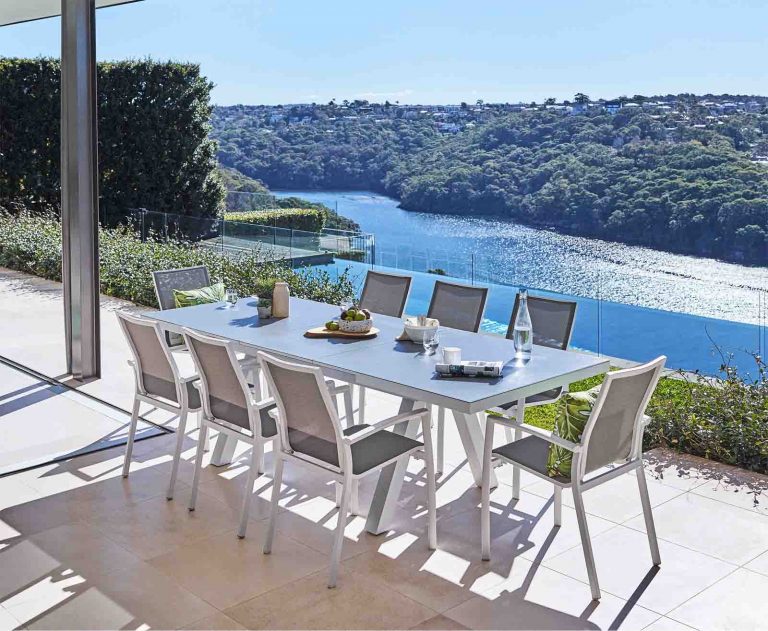
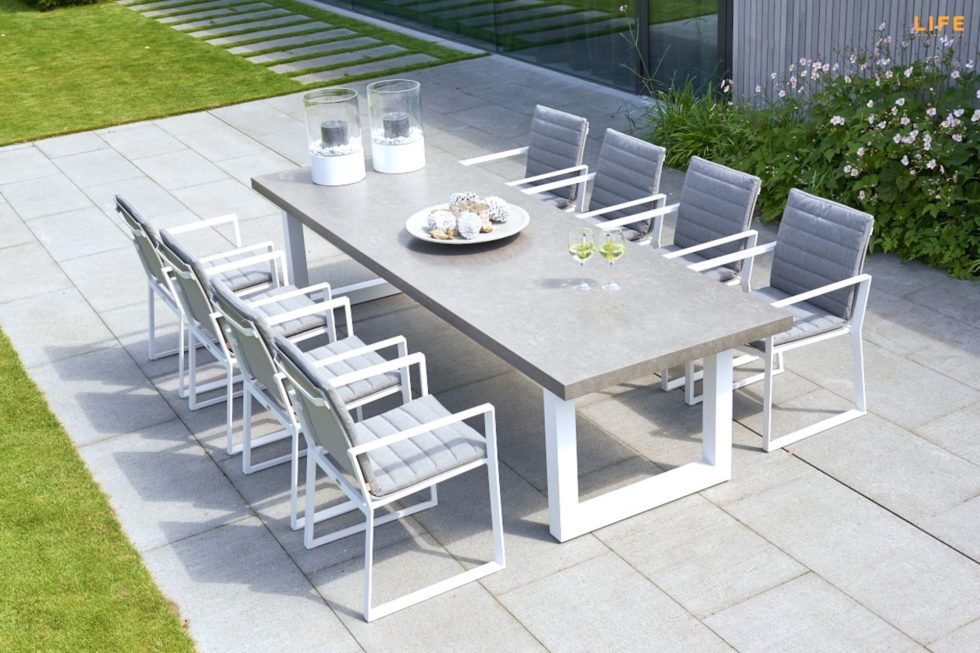
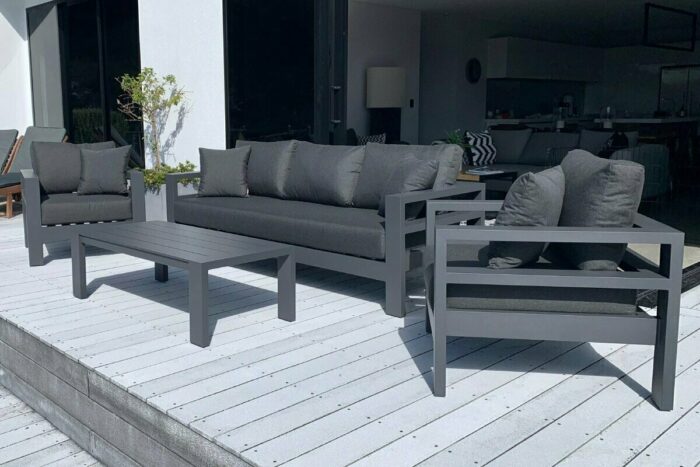
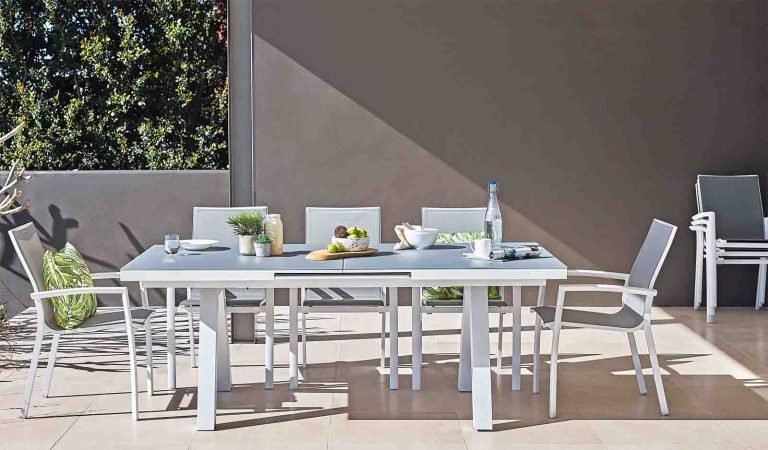
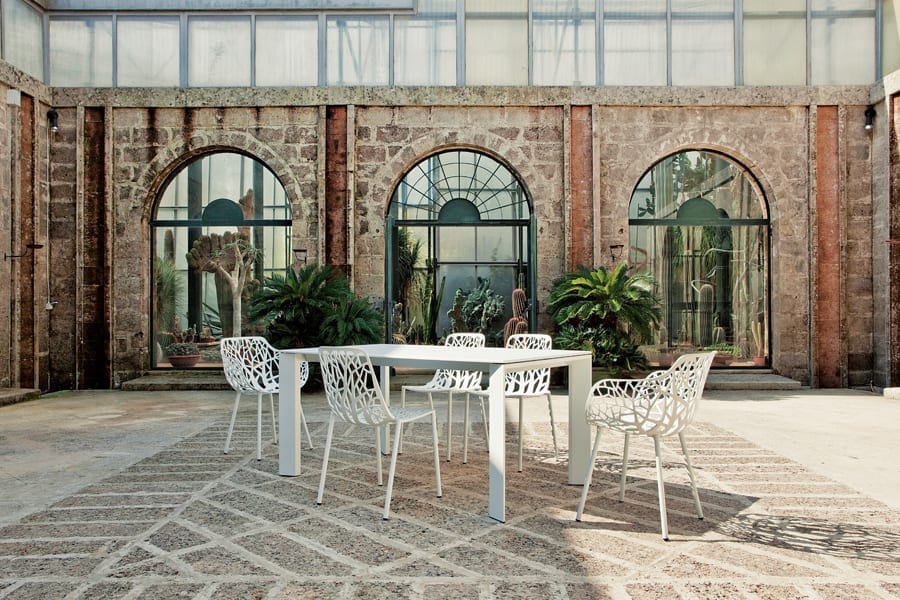

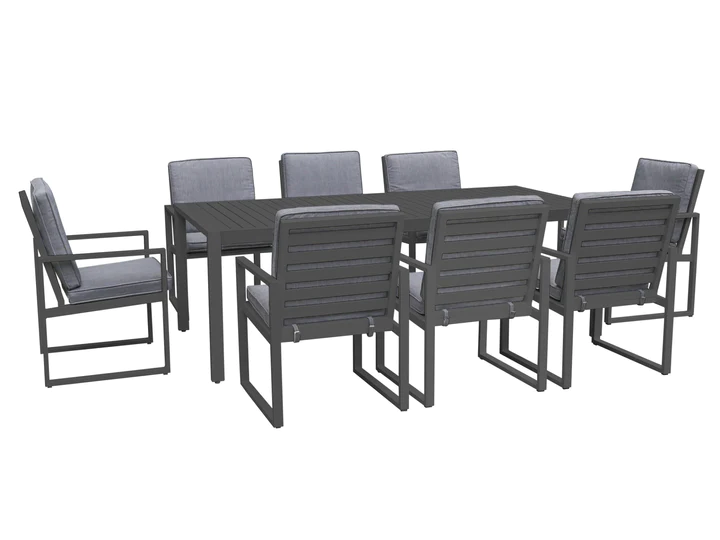
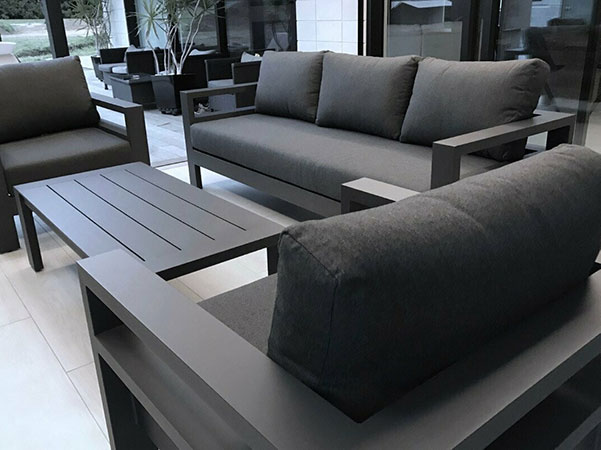
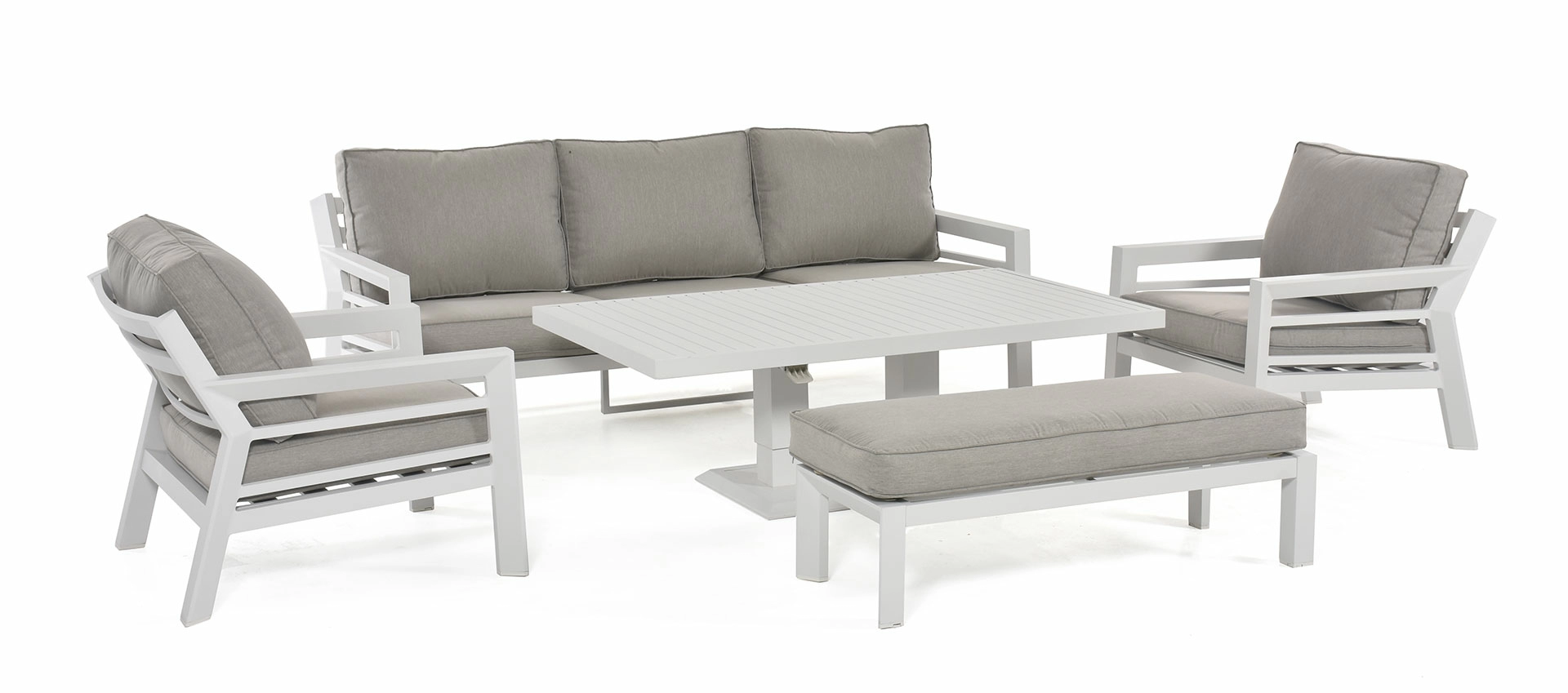
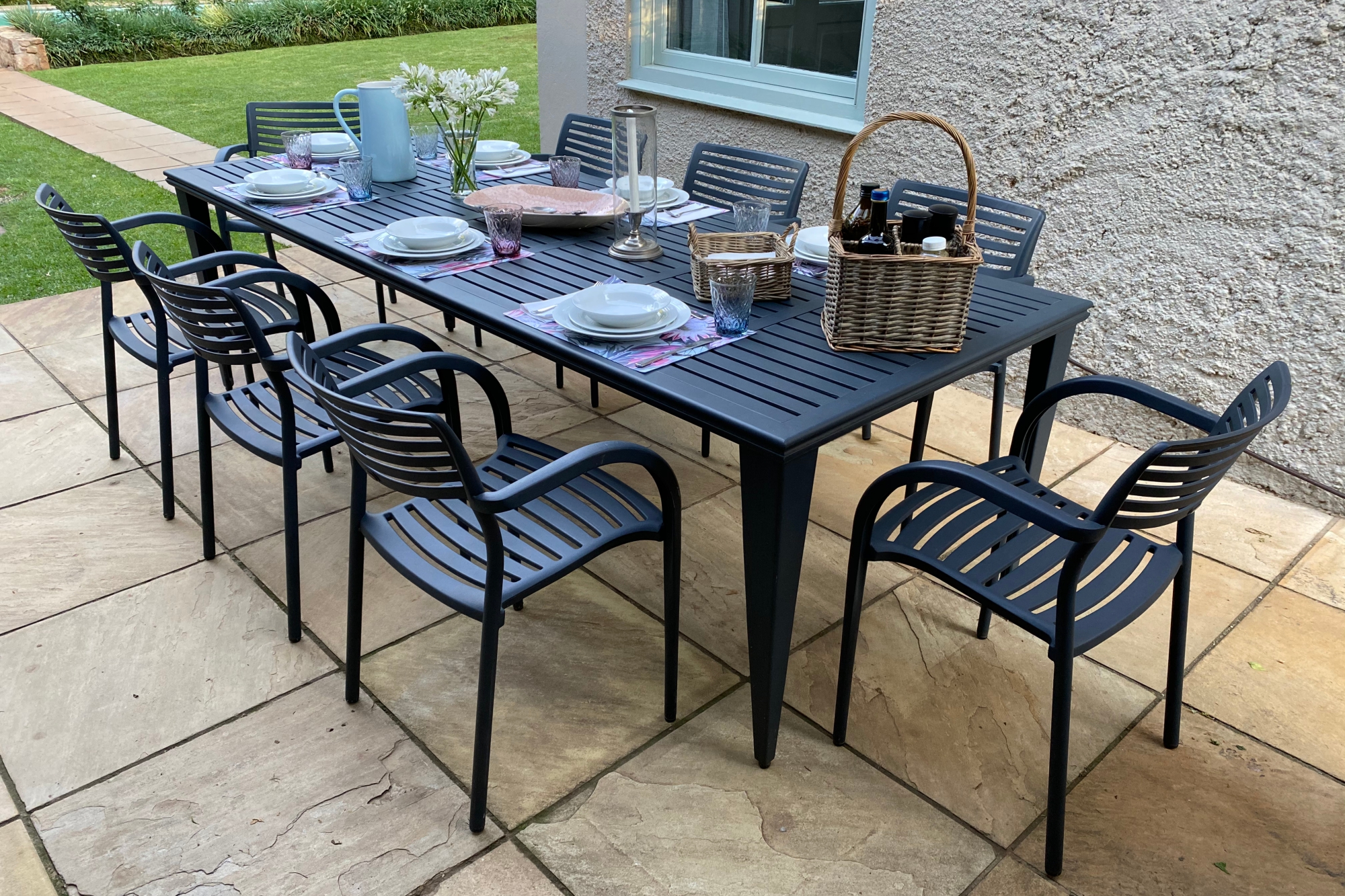
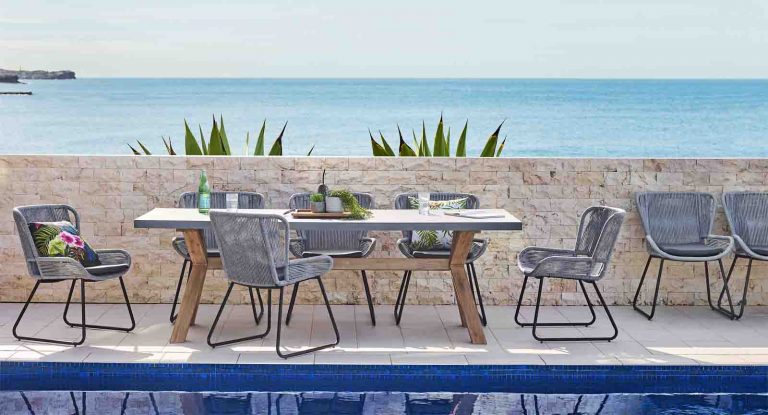
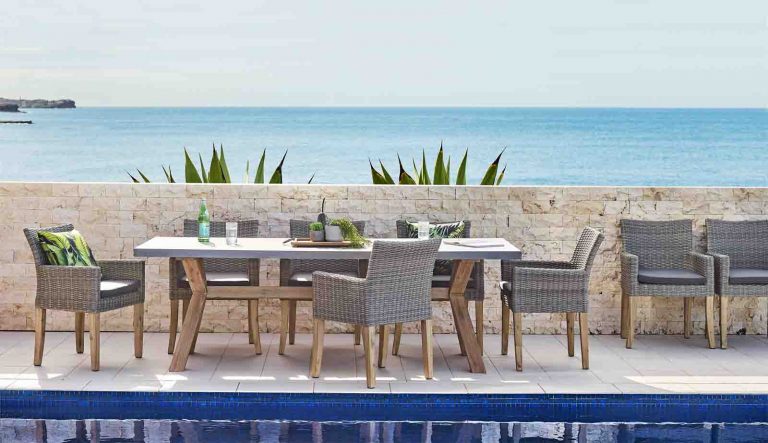
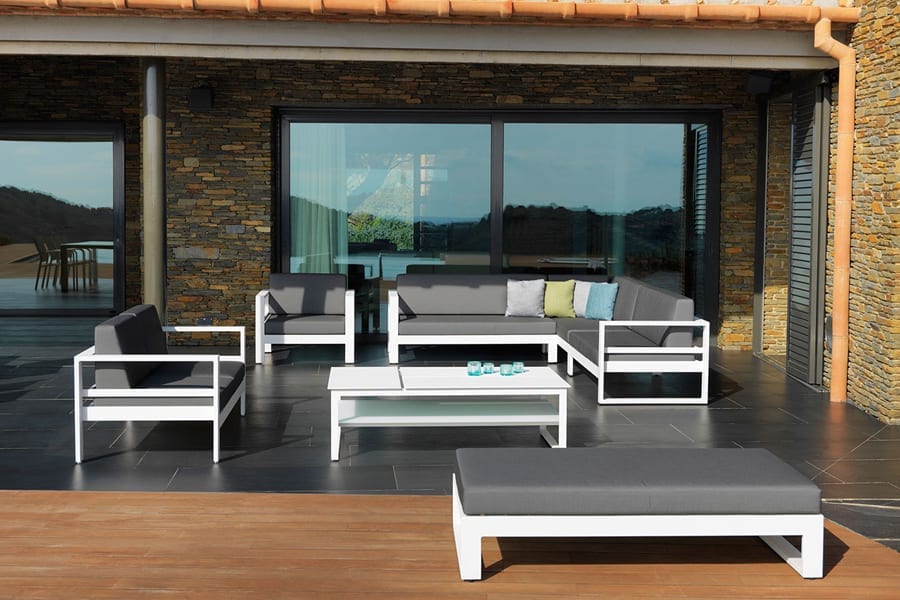
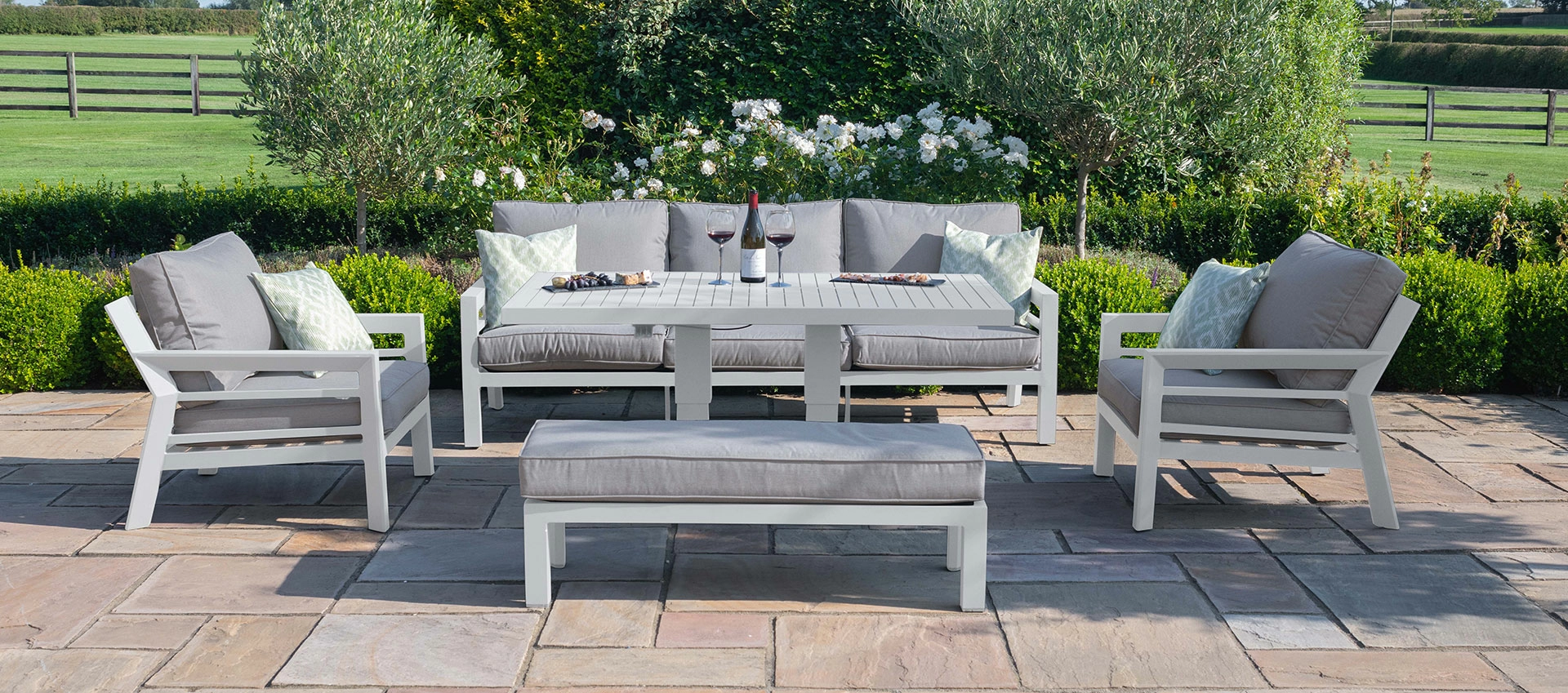
.webp)